
Poolish Pizza Dough - Neapolitan Style
For the Poolish
For the Main Dough
For Toppings (per pizza)
Step-by-Step Instructions
Follow each step to make the recipe successfully.
Prepare the Poolish
Weigh 0.5g of dried active yeast. Add the yeast to 150g of water and stir until dissolved. Then, add 150g of double zero flour and stir until there are no dry bits remaining. Cover the mixture and let it ferment at room temperature for .
Mix the Main Dough
After the poolish has fermented for , add it to 190g of water in a large mixing bowl and stir to combine. Add 340g of double zero flour and 12g of salt to the bowl. Stir until there are no dry bits remaining and the dough forms a shaggy mass. Form the dough into a ball, cover the bowl, and for .
First Fold
Wet your hands to prevent sticking. Perform a series of stretch and folds on the dough in the bowl. Cover the bowl and let the dough rest for another .
Second Fold
Wet your hands again and perform another series of stretch and folds on the dough. Cover the bowl and let the dough rest for .
First Forming
Wet your hands and gently round the dough into a smooth ball. Cover the bowl and let the dough rest for .
Second Forming
Wet your hands and gently round the dough into a smooth ball again. Add a little olive oil to the bowl, coat the dough ball, and cover.
Divide and Shape
Weigh the entire dough (approximately 693g). Divide the dough into 3 equal portions, each weighing about 276g. Shape each portion into a tight ball by folding it over itself. Place the dough balls on a lightly oiled container or surface. Drizzle each ball with olive oil. Cover and let them ferment on the countertop for .
Cold Fermentation
After the countertop fermentation, refrigerate the covered dough balls overnight () to develop complex flavors.
Preheat Pizza Oven
Preheat your Gozney Roccbox pizza oven (or similar high-temperature oven) to 800°F (427°C) for .
Shape and Top the Pizza
Lightly flour a pizza peel. Take one dough ball and gently press the center, leaving a crust around the edge. Do not touch the crust to maintain its puffiness. Add tomato sauce, sprinkle with Parmesan cheese, place fresh basil leaves, and arrange mozzarella slices. Drizzle with olive oil.
Bake the Pizza
Launch the pizza into the preheated oven. Immediately adjust the flame to low. Rotate the pizza 180 degrees every to ensure even cooking. Continue baking until the crust is nicely charred and the cheese is melted and bubbly. For a final finish, broil the top part of the crust if desired. Remove the pizza from the oven.
Serve and Garnish
Once out of the oven, cut the pizza into slices using kitchen shears. Garnish with additional fresh basil leaves if desired. Serve immediately and enjoy your homemade Neapolitan-style pizza!
Before You Cook
Helpful details before you startPlan Ahead
Complete this step earlier to save time later.
- View Step 1Prepare the Poolish8 hours
Weigh 0.5g of dried active yeast. Add the yeast to 150g of water and stir until dissolved. Then, add 150g of double zero flour and stir until there are no dry bits remaining. Cover the mixture and let it ferment at room temperature for 8 hours.
- View Step 2Mix the Main Dough8 hours
After the poolish has fermented for 8 hours, add it to 190g of water in a large mixing bowl and stir to combine. Add 340g of double zero flour and 12g of salt to the bowl. Stir until there are no dry bits remaining and the dough forms a shaggy mass. Form the dough into a ball, cover the bowl, and let it rest for 30 minutes.
- View Step 3First Fold30 minutes
Wet your hands to prevent sticking. Perform a series of stretch and folds on the dough in the bowl. Cover the bowl and let the dough rest for another 30 minutes.
- View Step 4Second Fold30 minutes
Wet your hands again and perform another series of stretch and folds on the dough. Cover the bowl and let the dough rest for 30 minutes.
- View Step 5First Forming30 minutes
Wet your hands and gently round the dough into a smooth ball. Cover the bowl and let the dough rest for 30 minutes.
- View Step 7Divide and Shape30 minutes
Weigh the entire dough (approximately 693g). Divide the dough into 3 equal portions, each weighing about 276g. Shape each portion into a tight ball by folding it over itself. Place the dough balls on a lightly oiled container or surface. Drizzle each ball with olive oil. Cover and let them ferment on the countertop for 30 minutes.
- View Step 8Cold Fermentation12 hours or overnight
After the countertop fermentation, refrigerate the covered dough balls overnight (12-24 hours) to develop complex flavors.
Storage & Leftovers
Keep your leftovers fresh and ready to enjoy.
- RefrigerateUp to 1 day
After the countertop fermentation, refrigerate the covered dough balls overnight (12-24 hours) to develop complex flavors.
Helpful Tips
Small details that can improve the final result.
You might also like
Other recipes in the same cuisine, meal type, or style — ready to cook whenever you are.
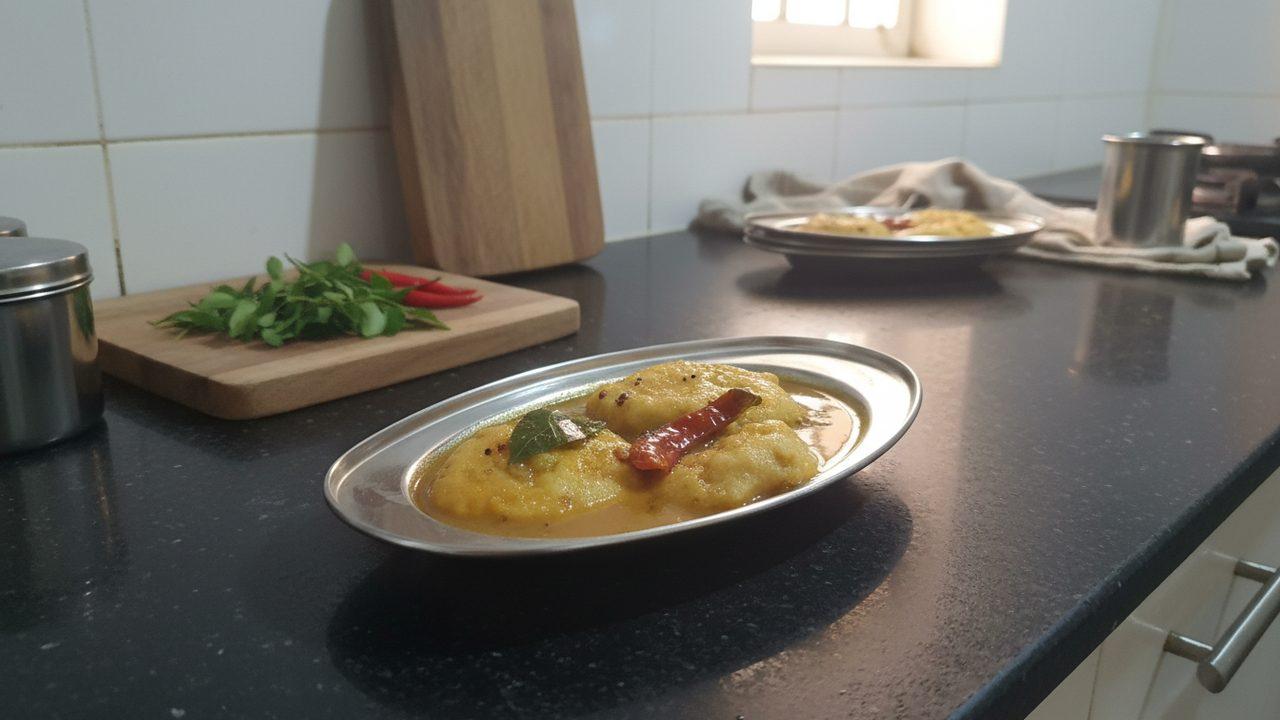
Vada Sambar
Cuisine
Indian · South Indian
Prep + Cook Time
45 Minutes
Difficulty Level
Medium
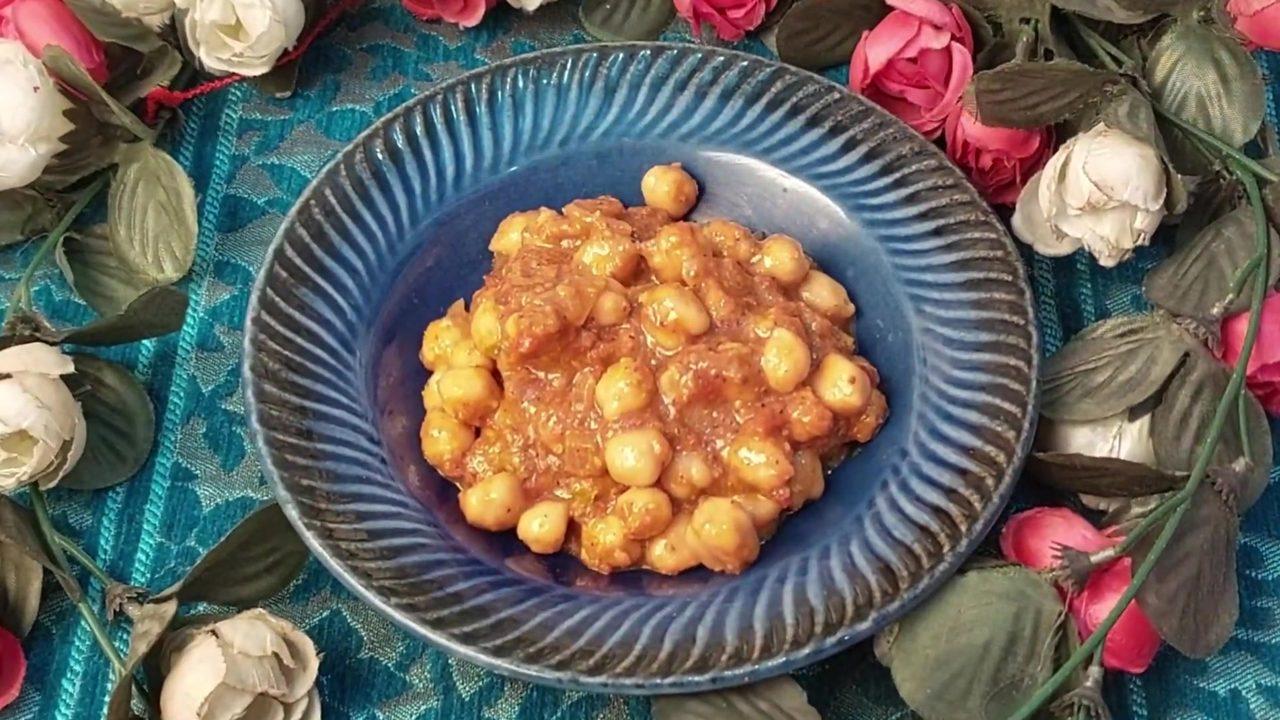
Chettinad Chole – South Indian Style
Cuisine
Indian · South Indian
Prep + Cook Time
45 Minutes
Difficulty Level
Medium

Soya Badi Pulao
Cuisine
Indian · North Indian
Prep + Cook Time
45 Minutes
Difficulty Level
Easy
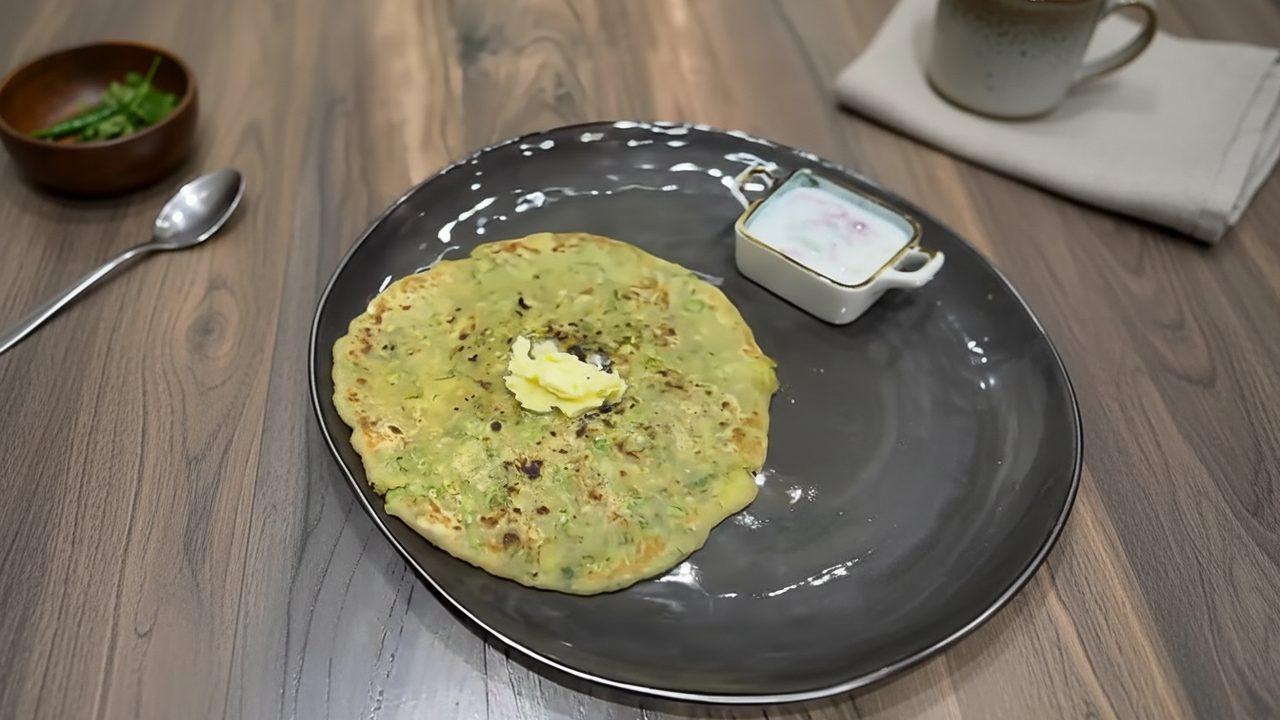
Stuffed Matar Parathe - Tasty & Fulfilling Recipe
Cuisine
Indian · North Indian
Prep + Cook Time
45 Minutes
Difficulty Level
Medium
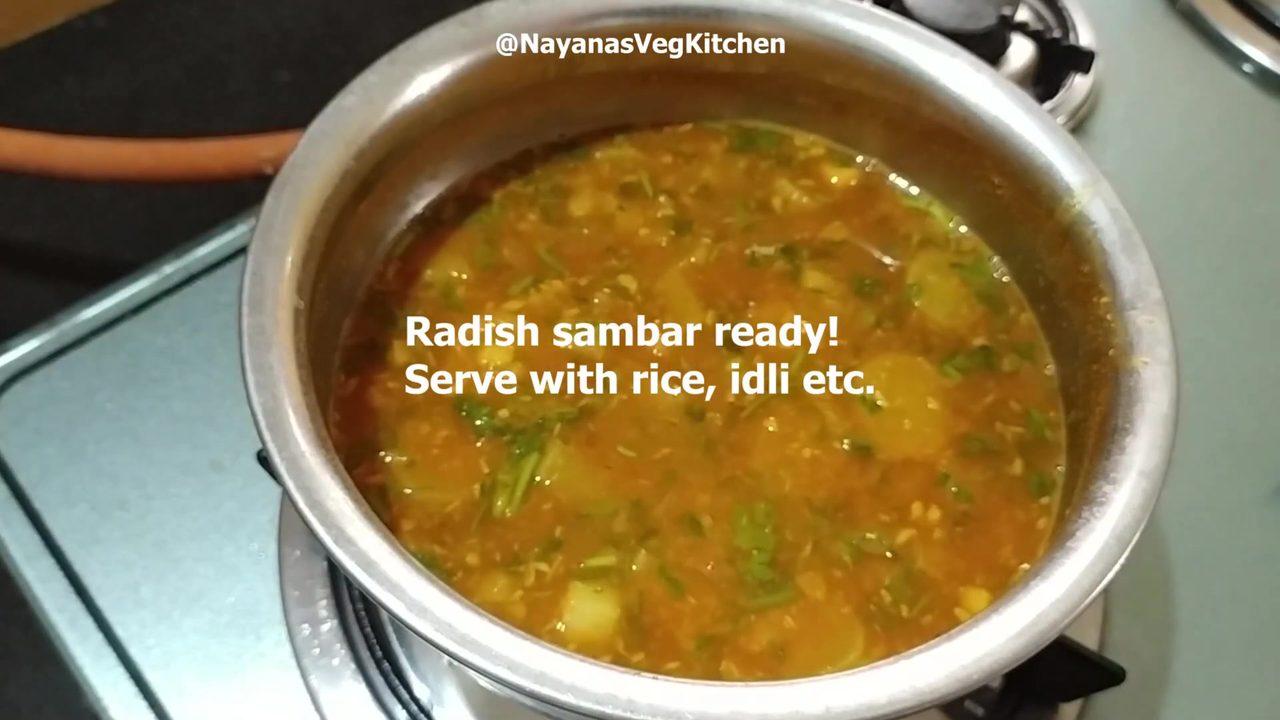
Yummy Mooli - Radish Sambar
Cuisine
Indian · South Indian
Prep + Cook Time
45 Minutes
Difficulty Level
Easy
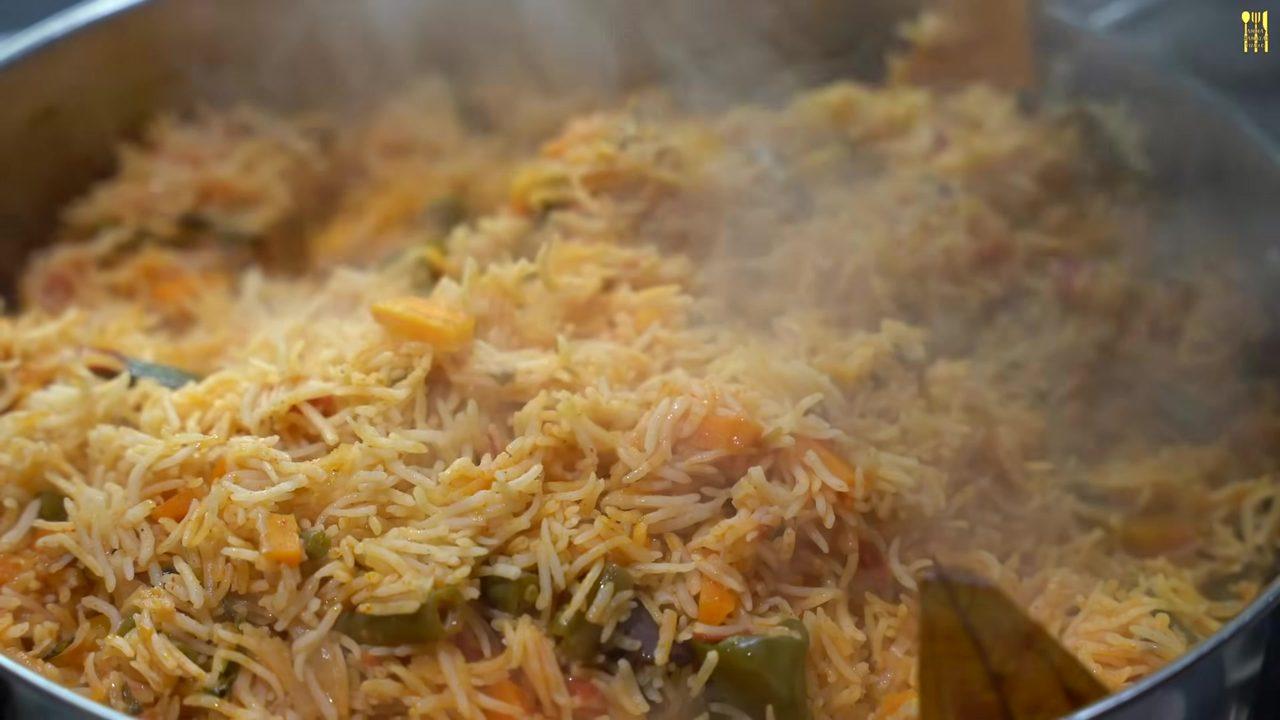
Vegetable Biryani – South Indian Style
Cuisine
Indian · South Indian
Prep + Cook Time
40 Minutes
Difficulty Level
Comments (0)
Sign in to leave a comment on this recipe.
Loading comments...