
Plate Masala Idly
For Masala Tempering
For Idly
Step-by-Step Instructions
Follow each step to make the recipe successfully.
Prepare the tempering for masala
Heat 2 tablespoons of oil in a pan. Once hot, add a pinch of asafoetida, 1 teaspoon of mustard seeds, and 1 teaspoon of cumin seeds. Let them splutter for about .
Add dals and aromatics
Add 1 tablespoon of chopped ginger, 2 tablespoons of channa dal, and 2 tablespoons of white lentils (urad dal) to the pan. Mix well and until the dals turn light golden brown, about .
Incorporate fresh herbs and chilies
Add a few curry leaves and 2-3 chopped green chilies to the . for about until fragrant.
Sauté onions and vegetables
Add 1 medium chopped onion to the pan and until it turns translucent, about . Then, add 1/2 cup of chopped cabbage (optional) and mix well. for another .
Add tomatoes and spices
Add 1 medium chopped tomato to the pan and cook until it softens, about . Then, add 1/2 teaspoon of turmeric powder and salt to taste. Mix thoroughly.
Finish the masala with greens and carrots
Stir in 1/4 cup of chopped dill greens, 1/4 cup of chopped coriander leaves, and 1/4 cup of grated carrots. Add 1 teaspoon of Vangibath powder and mix everything well. Cook for about until all ingredients are combined and the masala is ready.
Combine masala with idly batter
Take 2 cups of idly batter in a bowl. Add the prepared vegetable masala to the idly batter. Mix gently until the masala is evenly distributed throughout the batter.
Steam the masala idlies
Grease idly plates with a little oil. Pour the masala idly batter into the idly molds. Place the idly plates into a steamer. Cover and cook for about on medium-high heat, or until a toothpick inserted into the center comes out clean.
Serve Plate Masala Idly
Once cooked, carefully remove the idlies from the steamer. The Plate Masala Idly is now ready to serve. It goes well with Bombay Saagu or other chutneys.
Before You Cook
Helpful details before you startIngredient SubstitutionsMissing something? View suitable alternatives.View 4 swaps
No Asafoetida (hing)?
- 1/4 tsp garlic powder + 1/4 tsp onion powder
No Curry leaves?
- 1 bay leaf + a pinch of lemon zest — Aroma only — flavor is unique.
No Onion?
- 1 tbsp onion powder (per medium onion)
- 3 tbsp dried minced onion
- Shallots or leeks (1:1)
No Cilantro?
- Flat-leaf parsley (1:1, milder)
- Fresh mint (in chutneys, salads)
Variations
Simple ways to adapt this recipe.
- Add other vegetables like peasCustomise
Beans, or bell peppers to the masala.
- Serve with coconut chutney orIngredient swap
Serve with coconut chutney or sambar instead of Bombay Saagu.
Helpful Tips
Small details that can improve the final result.
You might also like
Other recipes in the same cuisine, meal type, or style — ready to cook whenever you are.
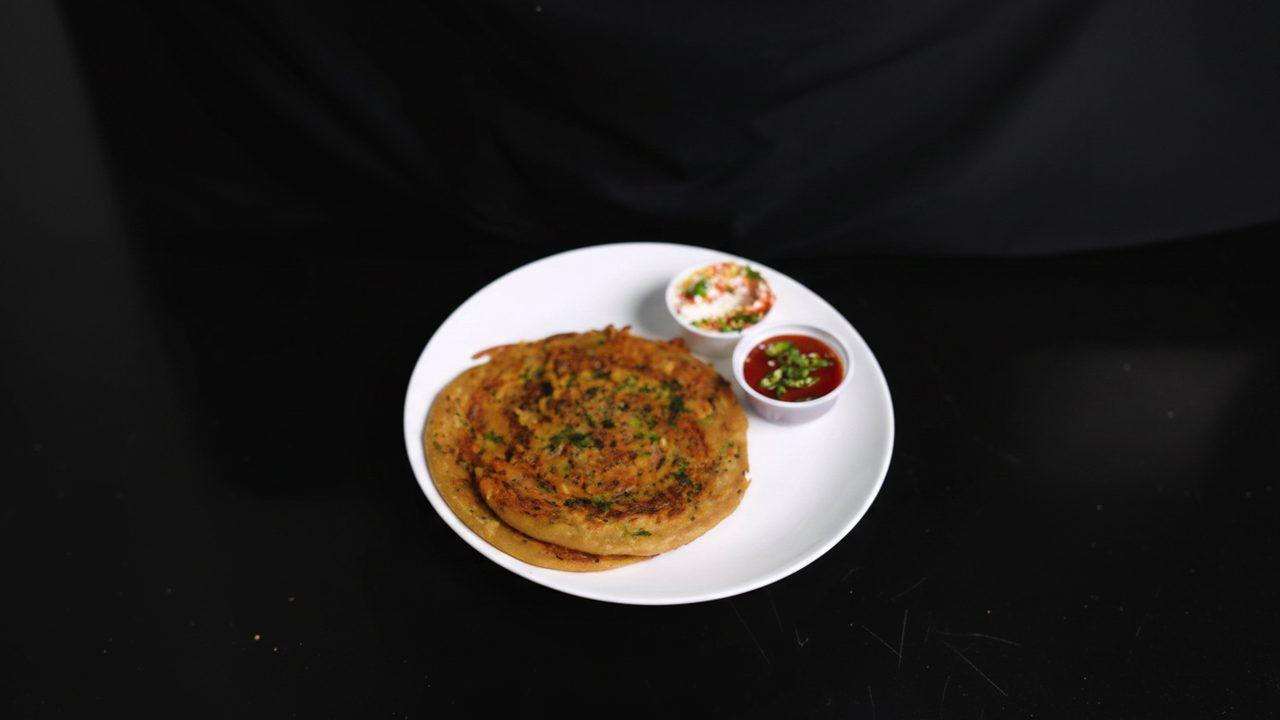
Onion Laccha Paratha - Indian Style
Cuisine
Indian · North Indian
Prep + Cook Time
35 Minutes
Difficulty Level
Medium
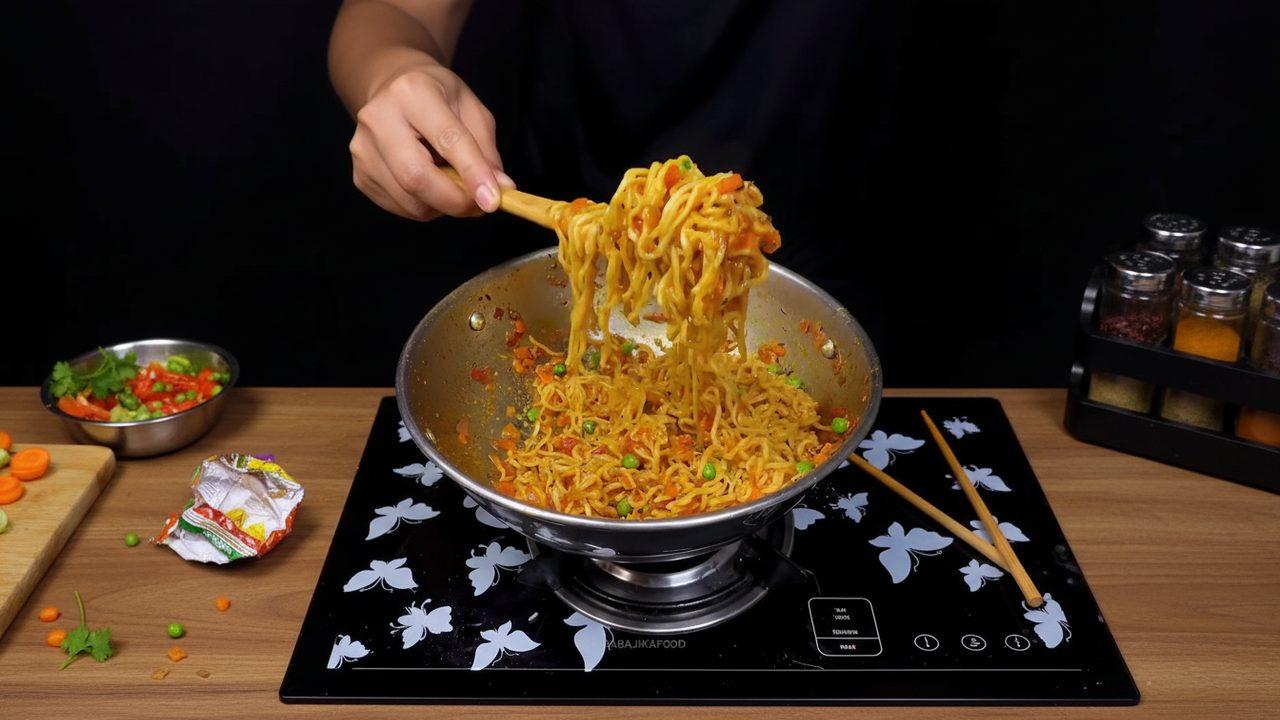
Vegetable Maggi Noodles - Indian Style
Cuisine
Indian · Street Food
Prep + Cook Time
20 Minutes
Difficulty Level
Easy
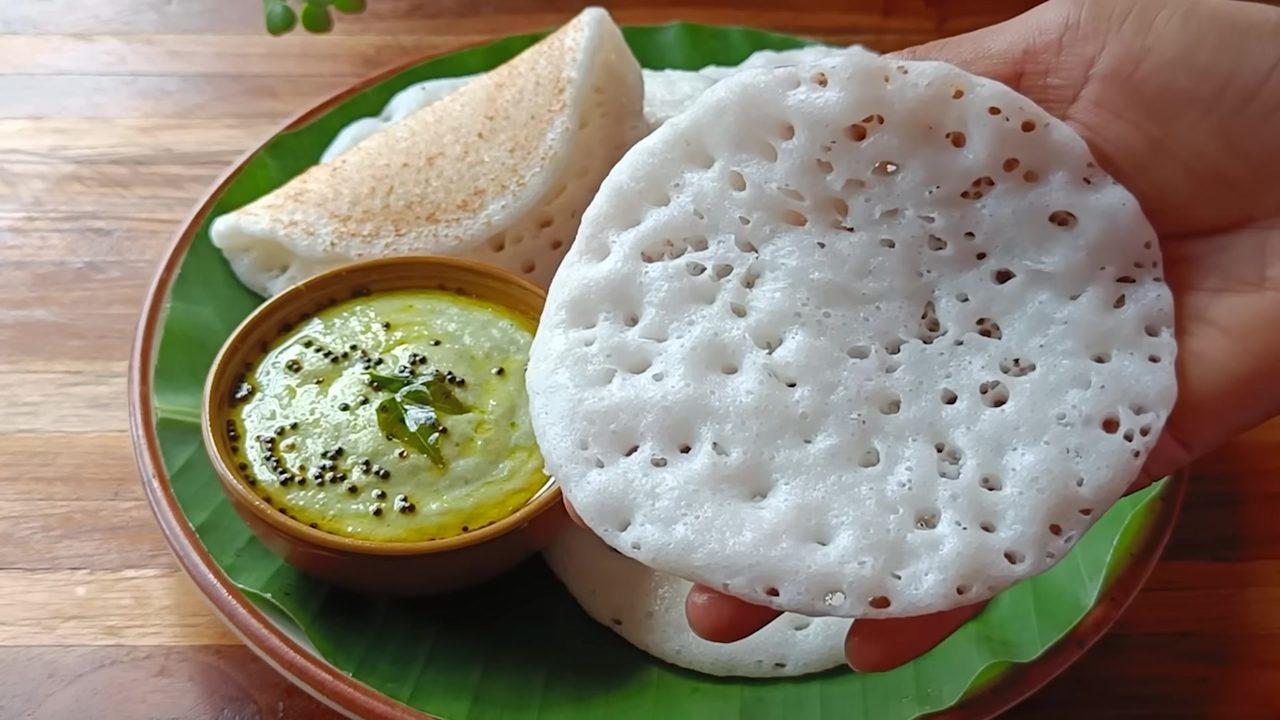
Coconut Dosa Recipe
Cuisine
Indian · South Indian
Prep + Cook Time
10 hr 50 min
Difficulty Level
Medium

Sweet Salty Cheesy Sandwich - Quick Snack
Cuisine
Indian · Snack
Prep + Cook Time
10 Minutes
Difficulty Level
Easy
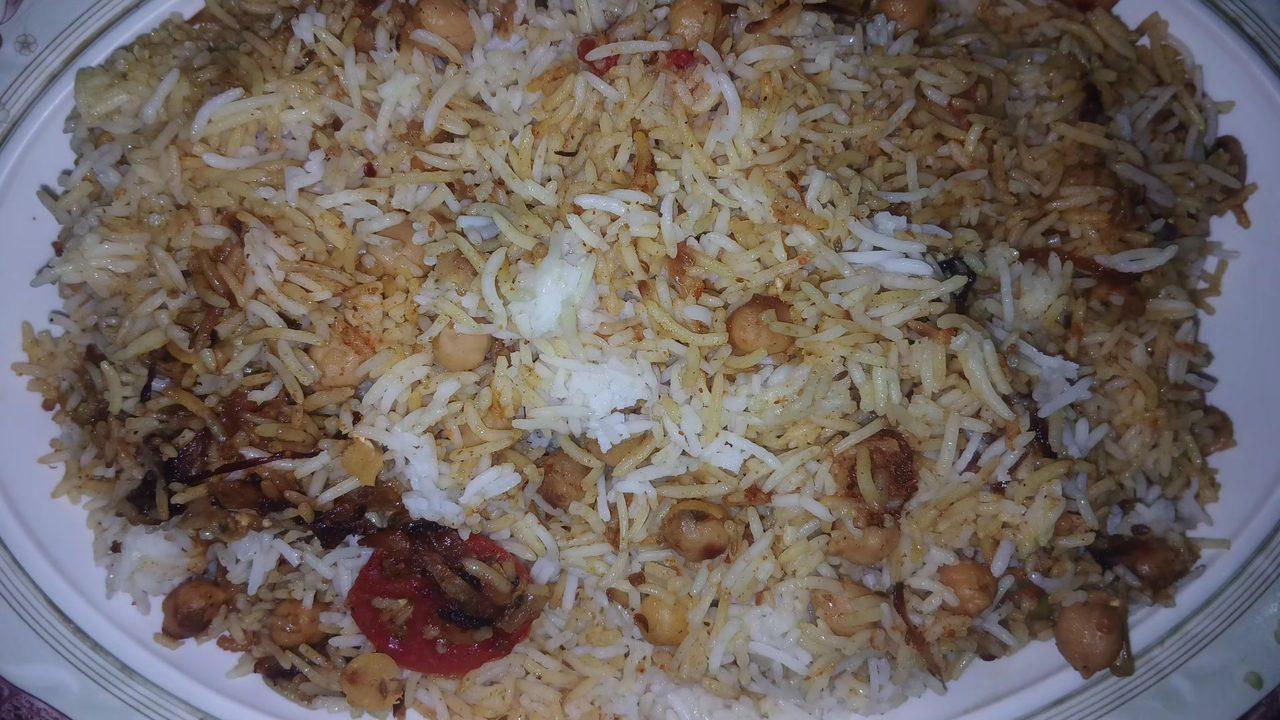
Chana Biryani – Degi Style
Cuisine
Indian · Pakistani
Prep + Cook Time
1 hr
Difficulty Level
Medium
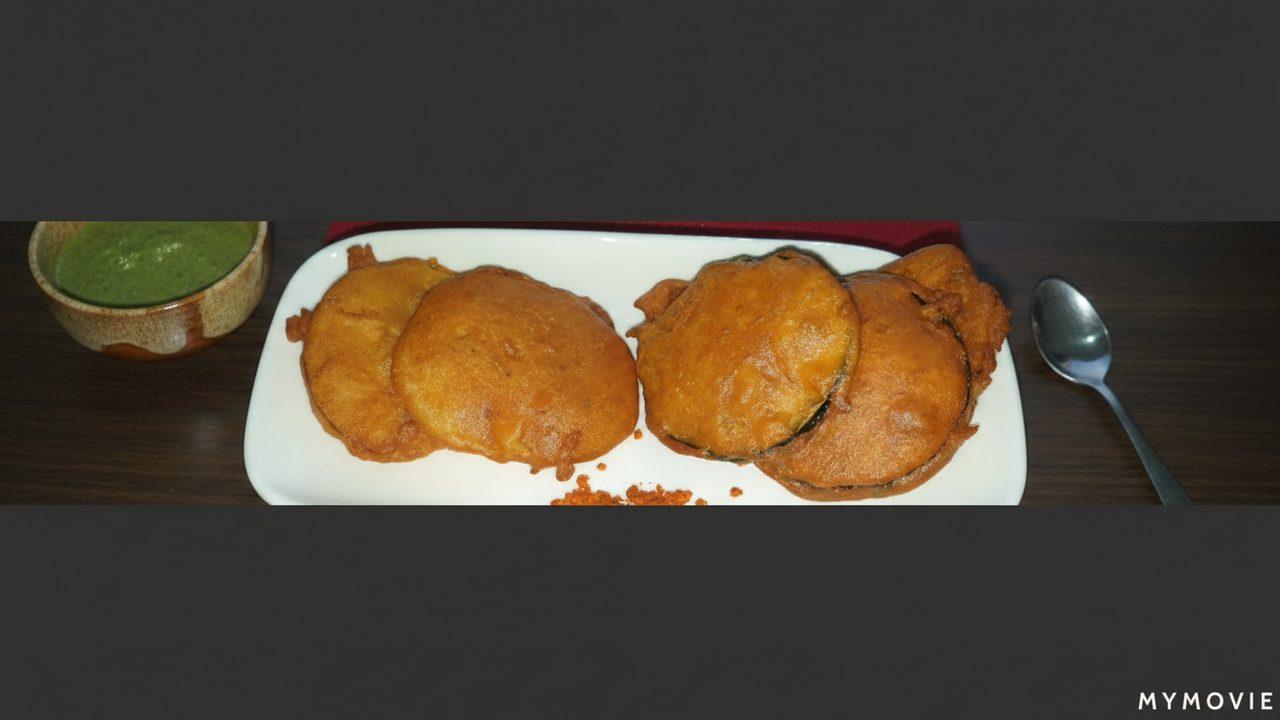
Pakora – Indian Fritters
Cuisine
Indian
Prep + Cook Time
35 Minutes
Difficulty Level
Comments (0)
Sign in to leave a comment on this recipe.
Loading comments...