Perfect Dosa and Idli Batter
Recipe by Shaan Geo
Ingredients
Main Ingredients
- 2 cups (400 gm)Idli Rice (Doppi Rice)
- 3/4 cup (150 gm)Black Gram, Urad Dal
- 1 1/2 teaspoonsFenugreek Seeds
- 3/4 cup (30 gm)Flattened Rice (White Poha)
- as neededWater
- 1 teaspoonSalt
For Cooking
- as neededGingelly Oil
- as neededGhee, Butter, Cooking Oil
Step-by-Step Instructions
- 1.Soak Ingredients
Thoroughly wash 2 cups (400 gm) of Idli Rice and place it in a bowl. Add 2½ cups (625 ml) of water and let it soak. In a separate bowl, thoroughly wash ¾ cup (150 gm) of Urad Dal, add 2½ cups (625 ml) of water, and let it soak. In a small bowl, wash 1½ teaspoons of Fenugreek Seeds, add ½ cup (125 ml) of water, and let it soak. Allow all three to soak for a minimum of 5-6 hours. The water from the urad dal and fenugreek seeds will be used for grinding.
- 2.Chill Soaked Ingredients
After 4 hours of soaking, place the bowls of soaked rice, urad dal, and fenugreek seeds in the refrigerator for the remaining 1-2 hours. This step helps to keep the ingredients cool during grinding, which is crucial for proper fermentation. (If using a wet grinder, chilling is not necessary).
- 3.Prepare Flattened Rice
Just before you begin grinding, take ¾ cup (30 gm) of white flattened rice (poha). Add 1 cup (250 ml) of water and let it soak for approximately 10 minutes. Ensure you use white flattened rice to maintain the light color of the final idlis and dosas.
- 4.Grind Urad Dal
Drain the water from the soaked rice and fenugreek seeds. Reserve the water from the urad dal as it will be used for grinding. Add the soaked urad dal to a blender jar. Begin by grinding it without any additional water for a few seconds. Then, gradually add about ½ to ¾ cup of the reserved urad dal soaking water in 3-4 batches, grinding until a very smooth, thick, and fluffy paste is formed. Use a spatula to scrape down the sides of the blender jar as needed. To test if the urad dal is ground to the correct consistency, drop a small amount of the batter into water; it should float. Transfer the ground urad dal batter to a large mixing bowl.
- 5.Grind Idli Rice
Add the soaked idli rice to the same blender jar (it's not necessary to wash the jar after grinding the urad dal). Add about 1¼ to 1½ cups of the reserved urad dal soaking water. Grind until the rice is finely ground but still retains a slight grainy texture; it should not be as smooth as the urad dal batter. Grind the rice in batches if needed. Transfer the ground rice batter to the mixing bowl containing the urad dal batter.
- 6.Grind Flattened Rice and Fenugreek Seeds
Add the soaked flattened rice and fenugreek seeds to the blender jar. Grind until a smooth batter is formed. The water used for soaking the flattened rice should be sufficient for grinding; add a little more if necessary to achieve a smooth consistency. Transfer this batter to the large mixing bowl with the other batters.
- 7.Mix and Ferment the Batter
Add 1 teaspoon of salt to the combined batter in the mixing bowl. Mix the batter thoroughly with your hands for a few minutes. The microorganisms present on your hands help to initiate and enhance the fermentation process. Cover the mixing bowl with a loose-fitting lid (do not cover tightly, as the batter will expand significantly). Allow the batter to ferment in a warm place for 8-12 hours. In colder climates, it may take longer. The batter should double in volume and become light and fluffy.
- 8.Prepare Idlis
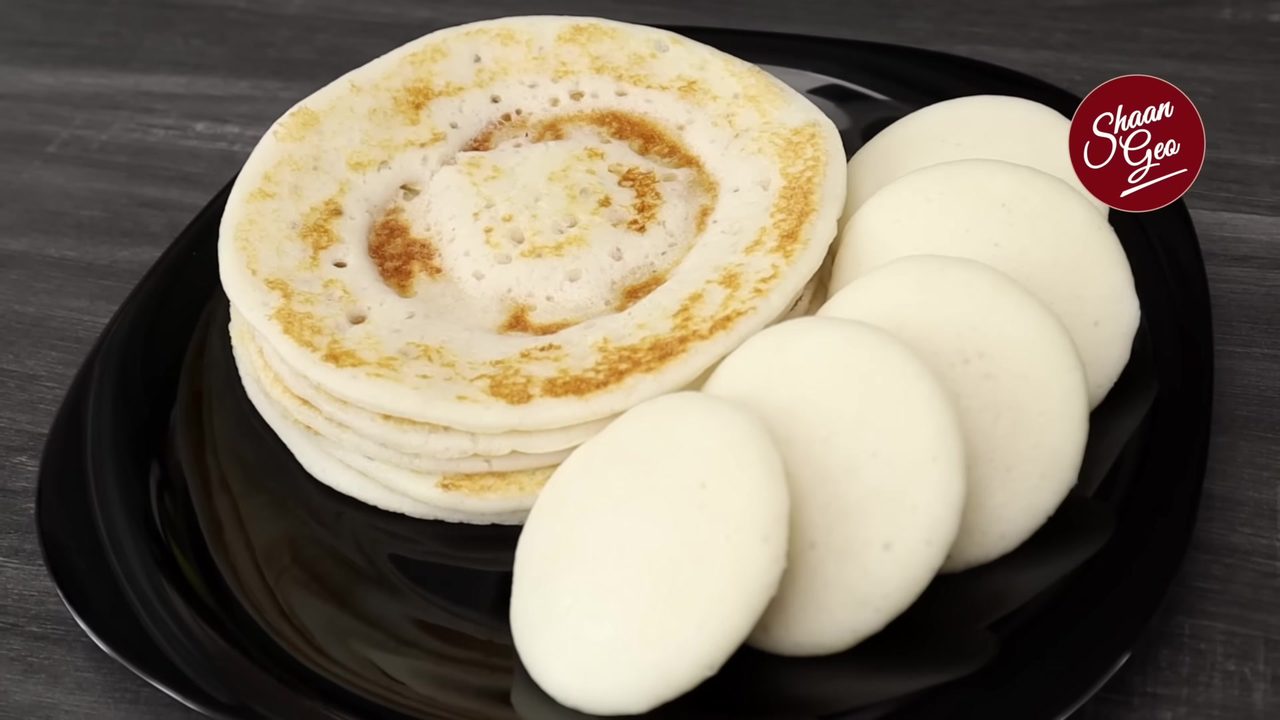
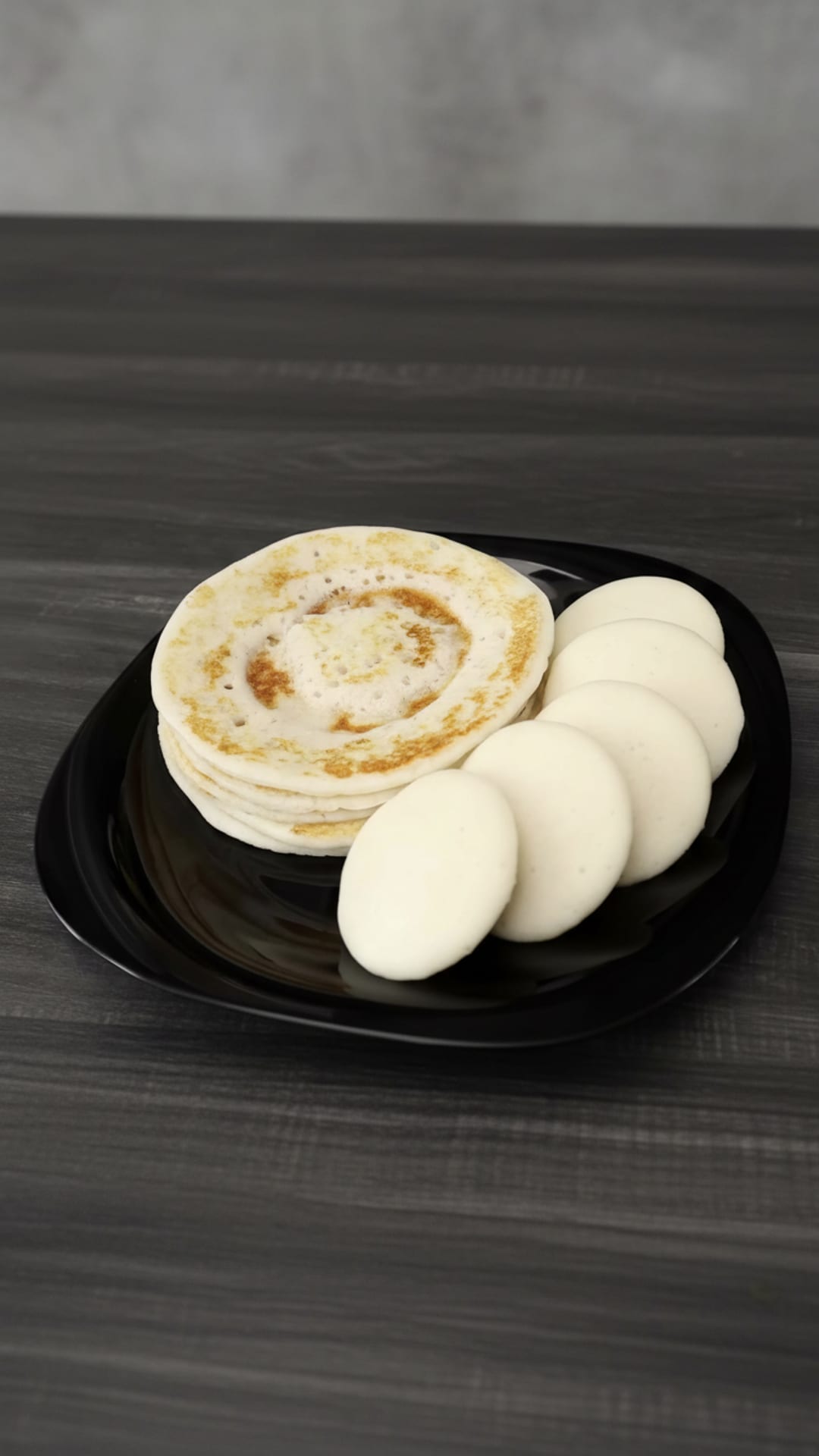
Gently stir the fermented batter with a spoon. Be careful not to overmix, as this will release the trapped air bubbles, which are essential for soft idlis. Heat water in an idli steamer pot. Brush the idli molds with gingelly oil to prevent sticking. Pour the idli batter into the molds. Once the water in the steamer is boiling and steam is visible, carefully place the idli plates into the steamer. Cover the steamer with a lid and cook on high heat for 8-10 minutes. Remove the idli plate from the steamer. Sprinkle a little water over the cooked idlis and let them rest for 3-4 minutes. This helps them to release easily from the molds. Carefully remove the idlis from the molds using a spoon. Serve hot with chutney and sambar.
- 9.Prepare Dosas
Heat a dosa pan or non-stick pan on the stove. If using a non-stick pan, you may not need oil, but for other pans, apply a little gingelly oil. Once the pan is hot, reduce the heat to medium. Pour a ladleful of batter onto the pan and spread it thinly in a circular motion to form a dosa. Cook for 1-1.5 minutes until one side is golden brown and cooked through. If desired, drizzle a little ghee, butter, or cooking oil on top for extra flavor and crispiness. Flip the dosa and cook the other side for about 1 minute until lightly browned. Remove the dosa from the pan and serve hot.


Comments (0)
Sign in to leave a comment on this recipe.
Loading comments...