
Love Ya Lasagne
Bolog-not Really Sauce
Pasta Sheets
Béchamel
To Finish
Step-by-Step Instructions
Follow each step to make the recipe successfully.
Prepare Vegetables
2 onions, 3 carrots, 3 sticks celery, and 4 cloves garlic. 300g pancetta/bacon into small pieces. Keep the pancetta separate from the other vegetables.
Brown Mince
Heat olive oil in a large pan over high heat. Add 700g beef and 700g pork (or your preferred mix) in batches. Brown the thoroughly, ensuring all liquid cooks out and the is nicely browned. Remove browned from the pan and set aside.
Render Pancetta
Add the pancetta to the hot pan. Fry until crispy and its fat is . This step is crucial for flavor.
Sauté Vegetables
Add the onions, carrots, and celery to the pan with the pancetta fat. for approximately over medium-high heat until the onions are translucent and the vegetables have softened.
Add Garlic and Wine
Stir in the garlic and cook for another minute until fragrant. Pour in 500ml red wine and cook for about , stirring, to cook off the alcohol. This step helps to the pan and add depth of flavor.
Add Tomato Paste and Simmer Bolognese
Stir in 300g tomato paste and fry for . Return the browned to the pan. Add 1L chicken stock and 350ml milk. Bring the sauce to a , then cover and cook for at least (longer is better for flavor), stirring occasionally to prevent it from drying out.
Prepare Pasta Dough
On a clean workbench, create a mound with 300g plain/00 flour and make a well in the center. Crack 3 large eggs into the well and add a pinch of salt. the eggs with a fork, gradually incorporating the flour from the sides until a shaggy dough forms. the dough for until it is smooth and elastic. Wrap the dough in cling wrap and refrigerate for to rest.
Roll Pasta Sheets
Dust the workbench with flour. Using a pasta machine, start by rolling the dough through the thickest setting (e.g., setting 1). Fold the dough and repeat this step 2-3 times. Gradually decrease the setting, rolling the dough through each setting 2-3 times, until you reach the desired thickness (e.g., setting 6 for lasagne). Cut the rolled pasta sheets to fit your lasagne tray.
Blanch Pasta Sheets
Bring a pot of salted water to a boil. Carefully the pasta sheets, one at a time, for approximately . Immediately transfer the sheets to an ice bath to stop the cooking process and firm them up. This makes them easier to handle. Place them on paper towels to dry slightly.
Prepare Béchamel
Melt 60g butter in a saucepan over low-medium heat. in 2 1/2 to 3 tablespoons of flour to create a roux. Cook the roux for . Slowly add 1L warm full cream milk to the roux, constantly until the sauce thickens. Season with salt and pepper to taste. If the béchamel is too runny, you can thicken it with a cornstarch slurry (cornstarch mixed with cold water).
Assemble Lasagne
Preheat your oven to 180°C (approximately 355°F) (fan-forced) or 200°C (approximately 390°F) (conventional). Spread a thin layer of bolognese sauce at the bottom of your lasagne tray. Layer with pasta sheets, then a thin layer of béchamel, followed by bolognese. Repeat these layers until the tray is almost full, ensuring the top layer is béchamel. Do not overfill the tray.
Bake Lasagne
Cover the lasagne tray with foil and bake for . Remove the foil, grate parmesan cheese generously over the top, and bake uncovered for another , or until the cheese is golden brown and bubbly.
Rest and Serve
Once baked, remove the lasagne from the oven and for before slicing and serving. This allows the layers to set and prevents it from falling apart.
Before You Cook
Helpful details before you startIngredient SubstitutionsMissing something? View suitable alternatives.View 6 swaps
No Onion?
- 1 tbsp onion powder (per medium onion)
- 3 tbsp dried minced onion
- Shallots or leeks (1:1)
No Garlic (fresh)?
- 1/4 tsp garlic powder (per clove)
- 1/2 tsp garlic granules (per clove)
No Wine (red, cooking)?
- Beef broth + 1 tsp red wine vinegar
- Pomegranate or grape juice + 1 tsp vinegar
No Milk?
- Unsweetened almond / soy / oat milk (1:1)
- 1/2 cup evaporated milk + 1/2 cup water (per 1 cup)
No Egg?
- 1 tbsp ground flax + 3 tbsp water (rest 5 min) — Per egg, best in baking.
- 1/4 cup unsweetened applesauce — Per egg, in sweet baked goods.
- 1/4 cup silken tofu, blended — Per egg.
No Butter?
- 3/4 the amount of olive oil (for cooking, not baking)
- Equal parts ghee — Slightly nuttier flavor.
- Equal parts coconut oil (in baking)
Plan Ahead
Complete this step earlier to save time later.
- View Step 7Prepare Pasta Dough30 minutes
On a clean workbench, create a mound with 300g plain/00 flour and make a well in the center. Crack 3 large eggs into the well and add a pinch of salt. Whisk the eggs with a fork, gradually incorporating the flour from the sides until a shaggy dough forms. Knead the dough for 5-10 minutes until it is smooth and elastic. Wrap the dough in cling wrap and refrigerate for 30-40 minutes to rest.
Storage & Leftovers
Keep your leftovers fresh and ready to enjoy.
- Refrigerate
Wrap the dough in cling wrap and refrigerate for 30-40 minutes to rest.
Variations
Simple ways to adapt this recipe.
- Substitute pancetta with bacon if pancetta is unavailableIngredient swap
- Use only beef mince or
Use only beef mince or only pork mince for the bolognese, but avoid chicken mince.
- You can use storeIngredient swap
Bought fresh or dried pasta sheets instead of making them from scratch.
- If you don't want to use red wineIngredient swap
Substitute with water or more chicken stock.
- If béchamel is too runny
Thicken with a cornstarch slurry (cornstarch mixed with cold water).
Helpful Tips
Small details that can improve the final result.
More from Nat's What I Reckon
Other recipes converted from Nat's What I Reckon's cooking videos.
You might also like
Other recipes in the same cuisine, meal type, or style — ready to cook whenever you are.

Creamy Mushroom Sauce (Vegan)
Cuisine
Italian
Prep + Cook Time
35 Minutes
Difficulty Level
Medium

Paneer Tikka Roll
Cuisine
Indian · North Indian
Prep + Cook Time
30 Minutes
Difficulty Level
Easy
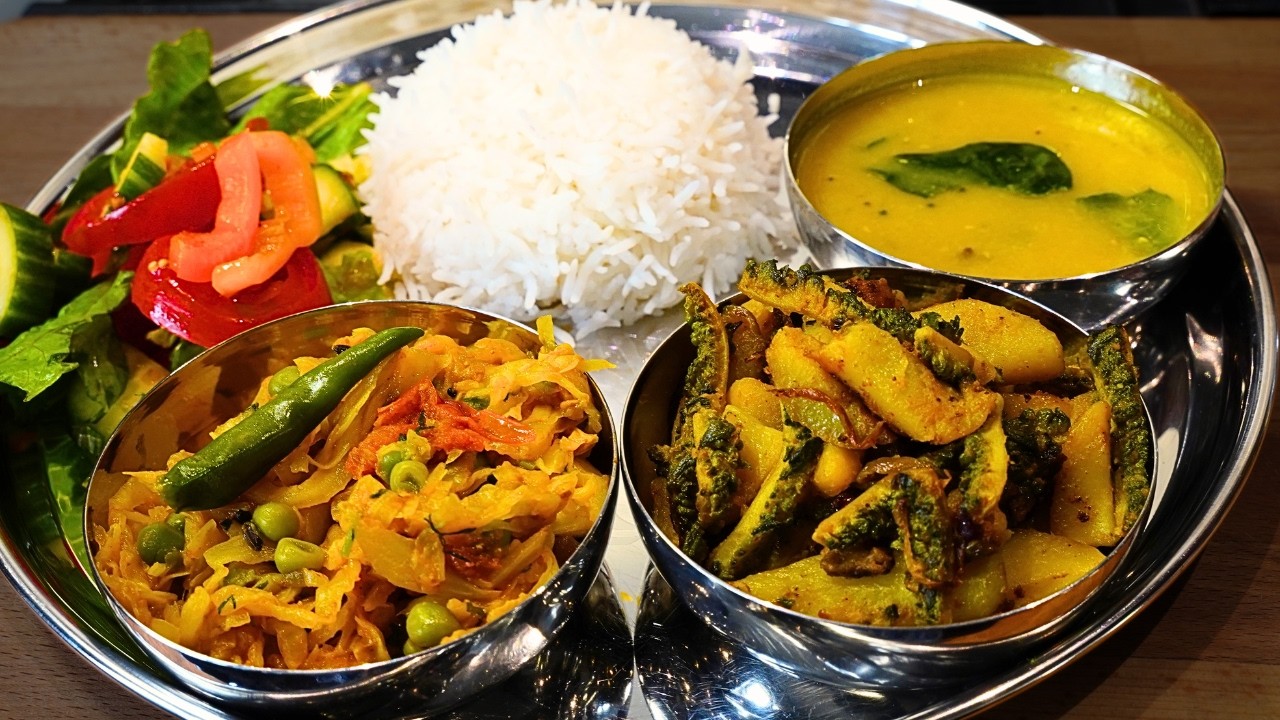
Vegetarian/Vegan Thali - Indian Home Style
Cuisine
Indian
Prep + Cook Time
1 hr 30 min
Difficulty Level
Medium

Rajasthani Style Dal Tadka (Pancharatna Dal Tadka / Dal Panchmel)
Cuisine
Indian · Rajasthani
Prep + Cook Time
40 Minutes
Difficulty Level
Medium

Spicy Mutton Curry (Varuthu Aracha Mutton Kulambu) - UK Cholan Tamilan Style
Cuisine
Indian · South Indian
Prep + Cook Time
1 hr 10 min
Difficulty Level
Medium
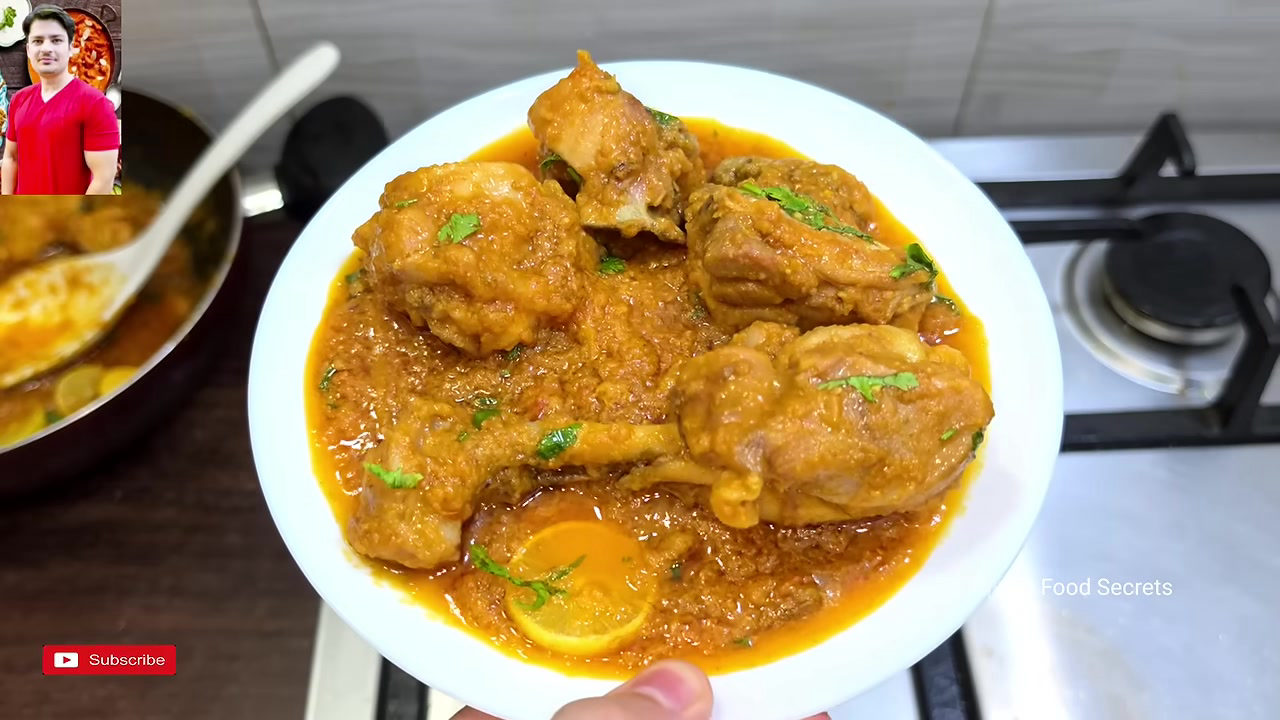
Green Chili Chicken Gravy - Ijaz Ansari Food Secrets
Cuisine
Pakistani · North Indian
Prep + Cook Time
1 hr
Difficulty Level
Comments (0)
Sign in to leave a comment on this recipe.
Loading comments...