
Karada Hapla / Uddina Hapla (Spicy Urad Dal Papad)
Main Ingredients
Step-by-Step Instructions
Follow each step to make the recipe successfully.
Grind Rock Salt
Take 2 tablespoons of rock salt and grind it finely using a mixer grinder. Transfer the ground salt to a large mixing bowl.
Prepare Spice Mixture
To the bowl with ground salt, add approximately 1/4 teaspoon of hing (asafoetida), 1/2 teaspoon of baking soda, and 5 tablespoons of red chili powder (adjust to your spice preference). Add a small amount of water and mix well to dissolve the spices and form a paste.
Add Urad Dal Flour
Add 3/4 seer (approximately 750g) of urad dal flour to the spice mixture in the bowl.
Incorporate Raw Mango Paste
Add 3-4 tablespoons of the raw mango paste (Maavina Hindi) to the flour mixture. This paste is made by cutting raw mangoes, mixing them with salt, letting them sit for a day, and then grinding them into a paste.
Initial Dough Kneading
Gradually add water to the mixture and begin the dough. Continue until it forms a cohesive mass.
Final Dough Kneading with Oil
Add 2 tablespoons of coconut oil to the dough. Continue vigorously until the dough becomes very soft and smooth, similar to the consistency of chapati dough.
Rest the Dough
Divide the prepared dough into 2-3 manageable portions. Cover these portions with a damp cloth and let them rest for at least to allow the dough to soften further.
Pound the Dough
Take one portion of the rested dough and place it on a clean cutting board. Use a wooden pestle to pound the dough repeatedly, folding it over itself. This process helps to make the papads soft and crispy. Repeat for all dough portions.
Roll and Cut Dough Log
After pounding, roll the dough portion into a long, even log. Using a knife, cut the log into small, medium-sized pieces, each suitable for rolling into an individual papad.
Roll Out Papads
Take one small dough piece, dust it lightly with urad dal flour, and roll it out into a thin, round papad using a rolling pin. Ensure the papad is rolled thinly and evenly to prevent tearing. Repeat for all dough pieces.
Sun-Dry the Papads
Place the rolled papads on a clean mat or cloth in direct sunlight. Allow them to dry for a minimum of 3-4 days, turning them occasionally, until they are completely dry, brittle, and have changed color.
Roast a Papad (Optional Serving Method 1)
To enjoy a roasted papad, place a completely dried papad on a wire rack over a stove burner. Roast it over medium heat, turning frequently with tongs, until it puffs up and becomes crispy. Be careful not to burn it.
Brush with Coconut Oil (Optional)
Once roasted, you can optionally brush the papad with a thin layer of coconut oil for an enhanced flavor. This is a popular way to enjoy them with coffee or tea.
Deep Fry a Papad (Optional Serving Method 2)
Alternatively, to deep fry a papad, heat oil in a pan. Carefully place a dried papad into the hot oil. It will puff up quickly. Flip it once and fry until it is golden brown and crispy. Remove and drain any excess oil. This method is great for serving with rice and curries.
Before You Cook
Helpful details before you startIngredient SubstitutionsMissing something? View suitable alternatives.View 1 swap
No Asafoetida (hing)?
- 1/4 tsp garlic powder + 1/4 tsp onion powder
Helpful Tips
Small details that can improve the final result.
More from Art & Cook Channel
Other recipes converted from Art & Cook Channel's cooking videos.

You might also like
Other recipes in the same cuisine, meal type, or style — ready to cook whenever you are.
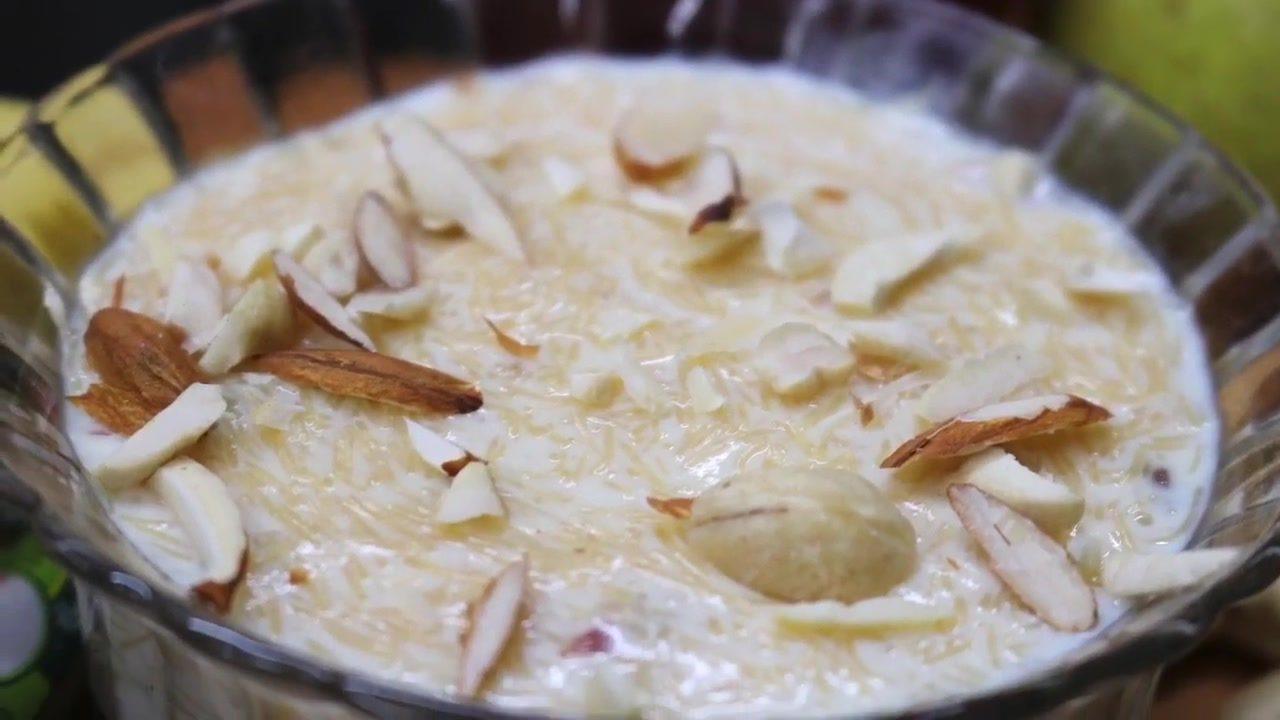
Seviyan Kheer (Vermicelli Pudding)
Cuisine
Indian · North Indian
Prep + Cook Time
35 Minutes
Difficulty Level
Easy
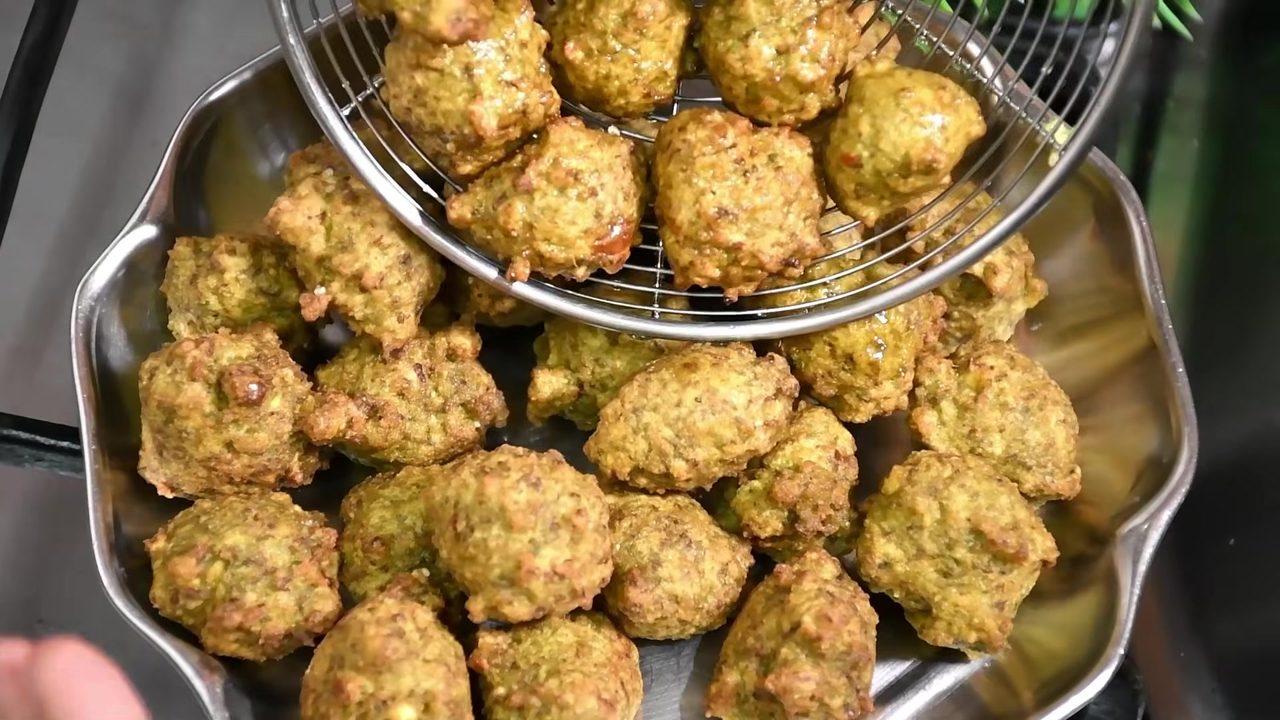
Green Gram Mini Bonda - Kongunadu Style
Cuisine
Indian · South Indian
Prep + Cook Time
30 Minutes
Difficulty Level
Easy
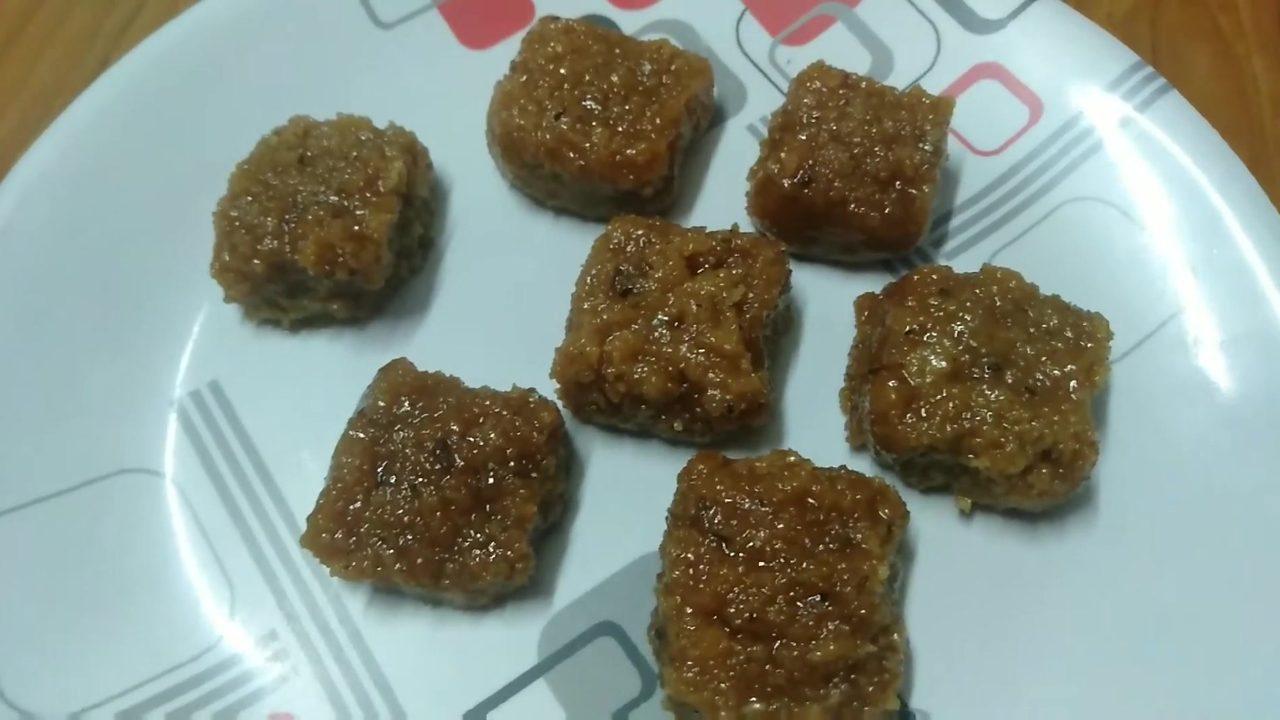
Coconut Jaggery Barfi
Cuisine
Indian · Dessert
Prep + Cook Time
2 hr 17 min
Difficulty Level
Easy
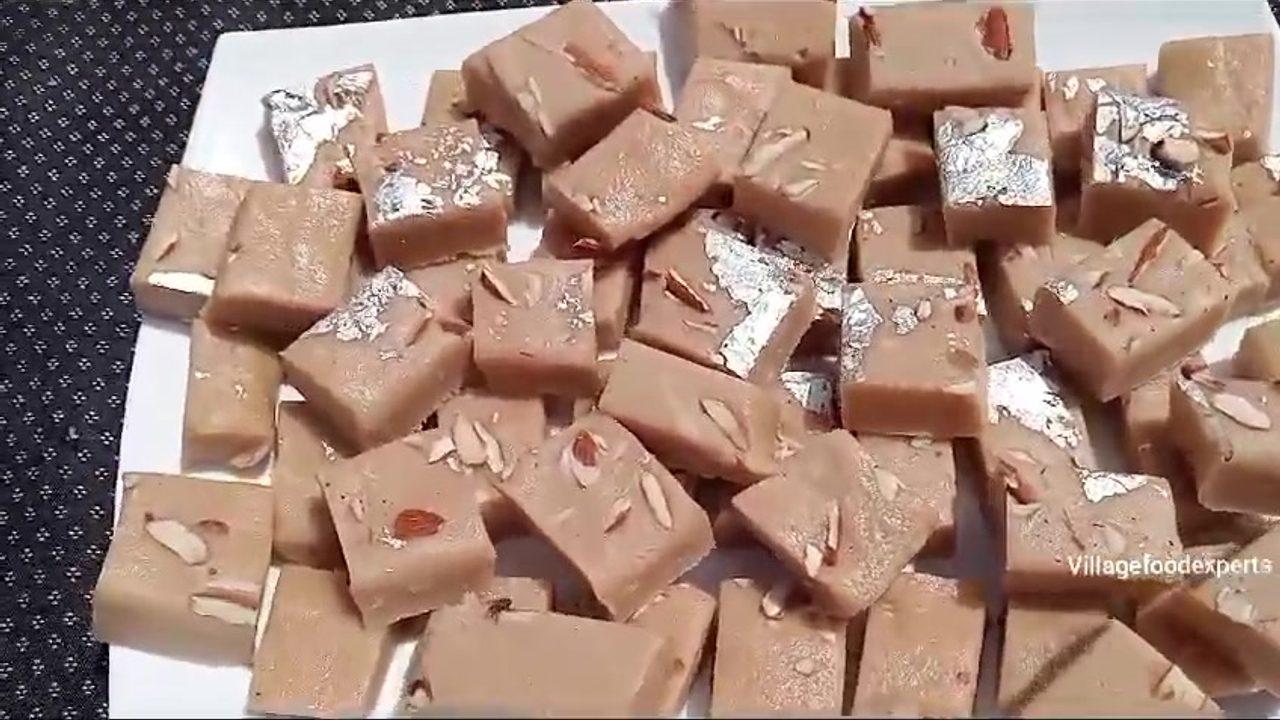
Milk and Maida Burfi – Village Style
Cuisine
Indian · Pakistani
Prep + Cook Time
45 Minutes
Difficulty Level
Medium
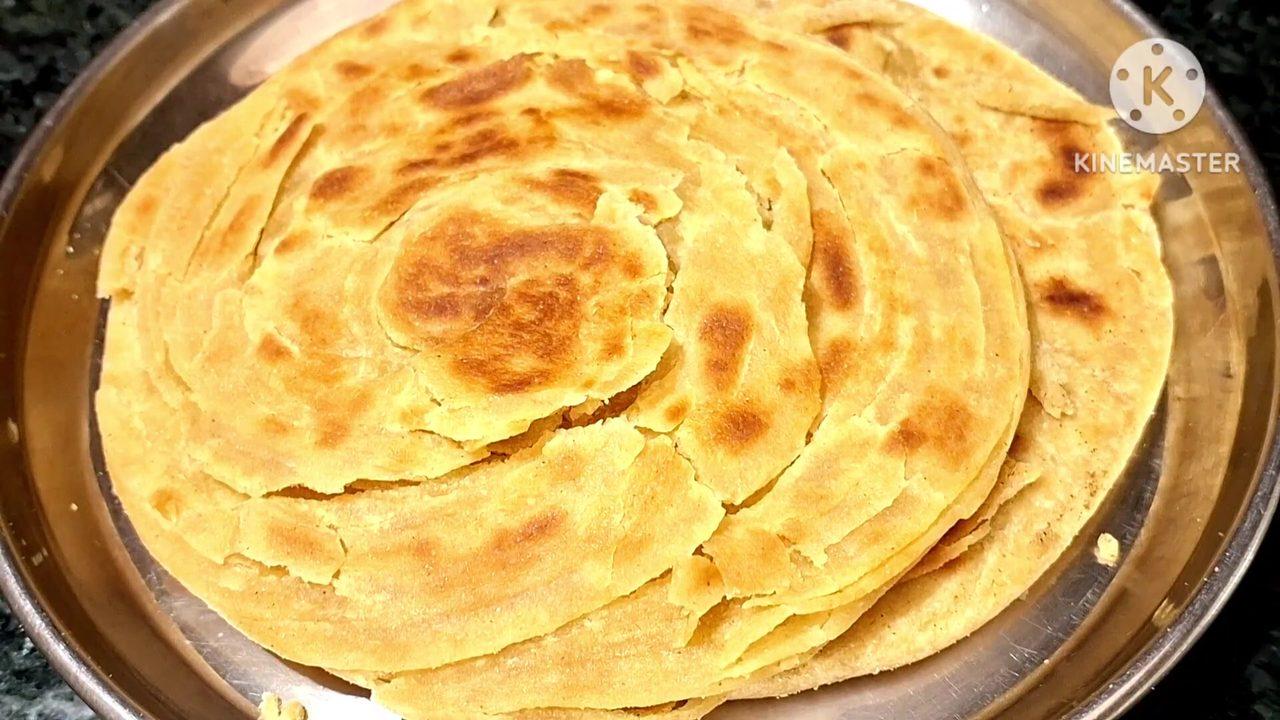
Lachha Paratha – Layered Indian Flatbread
Cuisine
Indian · North Indian
Prep + Cook Time
45 Minutes
Difficulty Level
Medium
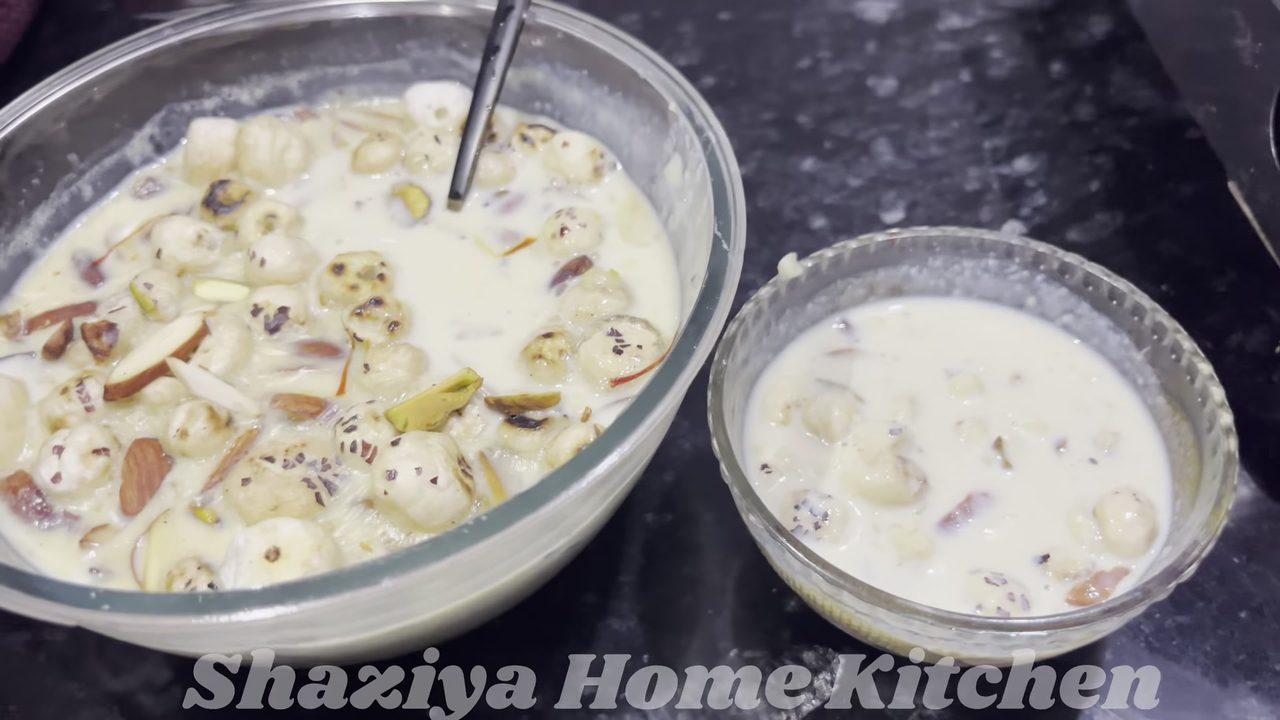
Makhana Kheer – Healthy & Delicious Dessert
Cuisine
Indian · North Indian
Prep + Cook Time
1 hr
Difficulty Level
Comments (0)
Sign in to leave a comment on this recipe.
Loading comments...