
Indian Chicken Curries: Creamy Korma & Spicy Jalfrezi
Common Curry Base
Creamy Chicken Curry (Korma)
Tomato-Based Chicken Curry (Jalfrezi)
Step-by-Step Instructions
Follow each step to make the recipe successfully.
Prepare the Aromatic Base
Heat 2 tablespoons of olive oil in a pan. Add 2 medium onions and 4-6 garlic cloves. Stir and cook until the onions turn pinkish-brown, about . Add 1 tablespoon of grated ginger (from frozen cubes) and continue to stir.
Add Initial Spices
Once the onions are pinkish-brown, add 2-3 teaspoons of Garam Masala, 1 teaspoon of turmeric, and 1 teaspoon of chili powder. Stir well to combine with the aromatics, allowing the spices to release their aromatic oils.
Sear the Chicken
Add 500g of cubed chicken breast to the pan and fry until sealed and beginning to absorb the spices, about .
Divide the Chicken Base
Divide the spiced chicken and aromatic mixture evenly into two separate pans for the two different curries.
Prepare the Creamy Korma
To one pan (for the korma), add 1/2 cup of creme fraiche, stirring to coat the chicken. Add 1/2 cup of water and bring to a gentle .
Flavor the Korma
Add 2 tablespoons of ground almonds (optional), salt to taste, and 1-2 teaspoons of sugar (optional, for sweetness). Stir well and allow to bubble gently until the chicken is cooked through and the sauce has thickened slightly, about .
Serve the Korma
Transfer the creamy chicken korma to a serving bowl. Garnish with fresh chopped coriander.
Prepare the Tomato-Based Jalfrezi
To the second pan (for the jalfrezi), add a 400g can of chopped tomatoes. Stir well to combine with the chicken and spices. Cook until the tomatoes and the spiced oil separates and comes through the tomatoes, about .
Add Vegetables to Jalfrezi
Add 1 chopped green bell pepper and 1 chopped red bell pepper to the pan. Stir and cook for until the peppers are slightly softened but still retain some crunch.
Flavor the Jalfrezi
Add salt to taste. Continue to cook until the chicken is done and the vegetables are tender-crisp, about .
Serve the Jalfrezi
Transfer the tomato-based chicken jalfrezi to a serving bowl. Garnish with fresh chopped coriander.
Before You Cook
Helpful details before you startIngredient SubstitutionsMissing something? View suitable alternatives.View 4 swaps
No Onion?
- 1 tbsp onion powder (per medium onion)
- 3 tbsp dried minced onion
- Shallots or leeks (1:1)
No Garlic (fresh)?
- 1/4 tsp garlic powder (per clove)
- 1/2 tsp garlic granules (per clove)
No Garam masala?
- 1 tsp cumin + 1/2 tsp coriander + 1/4 tsp cinnamon + 1/4 tsp cardamom
No Cilantro?
- Flat-leaf parsley (1:1, milder)
- Fresh mint (in chutneys, salads)
Variations
Simple ways to adapt this recipe.
- For the creamy kormaCustomise
You can use yogurt, cream, coconut powder, or ground almonds as the base. Sweet fruits like bananas, lychees, raisins, dates, or plums can be added for extra sweetness.
- For the tomato
Based curry, you can incorporate other vegetables like courgettes or broccoli along with the bell peppers.
Helpful Tips
Small details that can improve the final result.
More from Nisha Katona
Other recipes converted from Nisha Katona's cooking videos.
You might also like
Other recipes in the same cuisine, meal type, or style — ready to cook whenever you are.

Chicken Biryani
Cuisine
Indian · South Indian
Prep + Cook Time
1 hr 40 min
Difficulty Level
Medium

Chicken Biryani – Authentic Indian Style
Cuisine
Indian · South Indian
Prep + Cook Time
1 hr 25 min
Difficulty Level
Medium

Spicy Chicken Curry with Bagara Rice – Bachelor Style
Cuisine
Indian · Telangana
Prep + Cook Time
1 hr 5 min
Difficulty Level
Medium
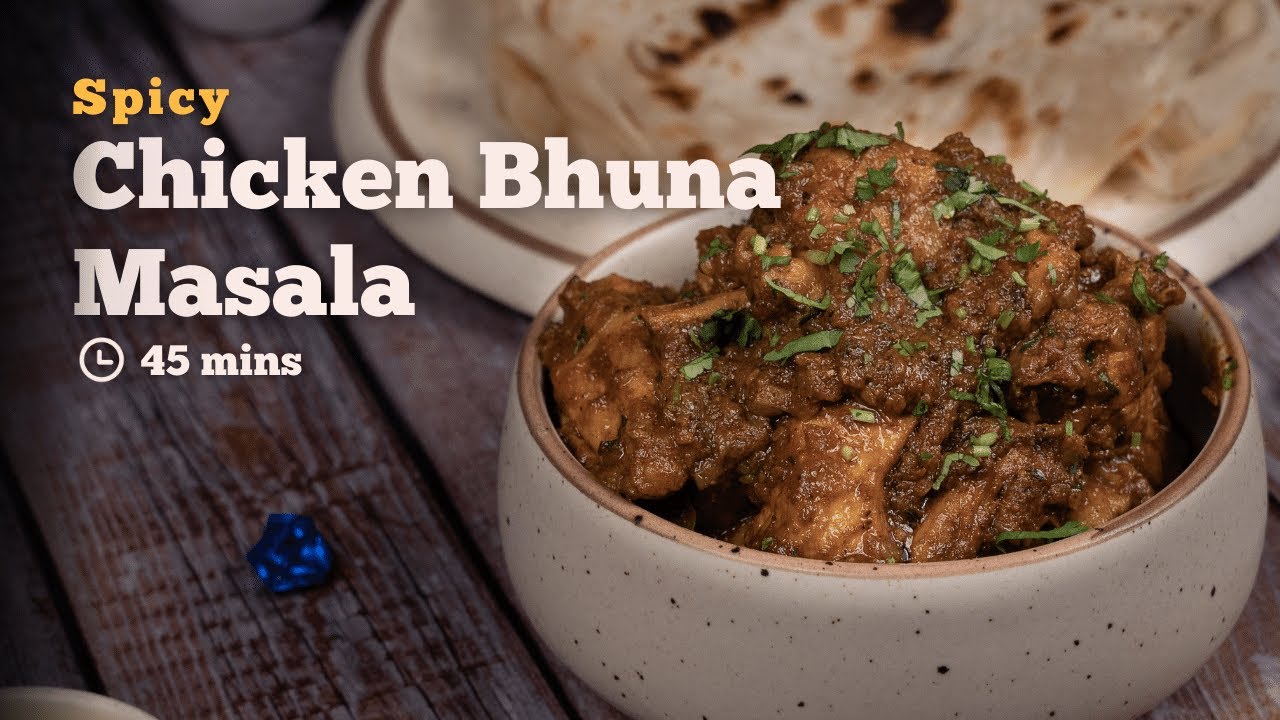
Chicken Bhuna Masala – Indian
Cuisine
Indian · North Indian
Prep + Cook Time
45 Minutes
Difficulty Level
Medium

One Pot White Pulao – Hotel Style
Cuisine
Indian · South Indian
Prep + Cook Time
35 Minutes
Difficulty Level
Easy

Fried Chicken Biryani - Home Cooking
Cuisine
Indian · South Indian
Prep + Cook Time
1 hr 35 min
Difficulty Level
Comments (0)
Sign in to leave a comment on this recipe.
Loading comments...