
Diwali Sweets Compilation: Mysore Pak, Rava Laddu, Nankhatai, Boondhi Laddu, Gulab Jamun, Jalebi, Motichoor Laddu, Rasmalai
Mysore Pak
Rava Laddu
Nankhatai
Boondhi Laddu
Gulab Jamun
Jalebi
Motichoor Laddu
Rasmalai
Step-by-Step Instructions
Follow each step to make the recipe successfully.
Mysore Pak: Dry Roast Gram Flour
Add 250g of gram flour to a pan. Dry roast it on low heat, stirring continuously until it turns slightly aromatic. This step helps to remove the raw taste of the flour.
Mysore Pak: Sift Gram Flour
Remove the roasted gram flour from the pan. Sift it well through a fine-mesh sieve to remove any lumps and aerate the flour, ensuring a smooth texture for the Mysore Pak.
Mysore Pak: Combine Dry Ingredients
Add 25g of milk powder or maida to the sifted gram flour. thoroughly to combine both ingredients evenly.
Mysore Pak: Add Oil to Flour Mixture
Pour 250ml of sunflower oil into the gram flour and milk powder mixture. vigorously until the mixture is completely lump-free and smooth.
Mysore Pak: Prepare Ghee and Oil Mixture
In a separate measuring cup, combine 250ml of melted ghee with 250ml of sunflower oil. This mixture will be added in stages later.
Mysore Pak: Prepare Sugar Syrup
Add 750g of sugar and 250ml of water to a clean pan. Heat the mixture on a medium flame, stirring continuously until all the sugar dissolves completely.
Mysore Pak: Achieve One-String Consistency
Continue boiling the sugar syrup until it reaches a one-string consistency. To check, take a drop between your thumb and forefinger; it should form a single thread when pulled apart.
Mysore Pak: Combine Flour Mixture with Syrup
Carefully add the gram flour (besan) mixture into the boiling sugar syrup. Stir continuously to prevent lumps from forming and ensure a smooth blend.
Mysore Pak: Mix Until Smooth and Glossy
Continue mixing the batter vigorously until it becomes smooth, glossy, and starts to thicken. This indicates the mixture is beginning to cook properly.
Mysore Pak: Incorporate Ghee Mixture
Begin adding the prepared ghee and oil mixture in small stages. Mix continuously after each addition until the batter fully absorbs the ghee mixture before adding more.
Mysore Pak: Reserve Ghee
Reserve approximately 1 to 2 tablespoons of the ghee mixture for later use. This small amount will be used to finish the Mysore Pak.
Mysore Pak: Achieve Thick Consistency
Continue mixing the batter. It will become thick, bubbly, and start to leave the sides of the pan. This process takes about total on medium-low heat.
Mysore Pak: Final Stirring
Turn off the heat. Continue stirring the mixture for an additional minute. The consistency should be light, similar to thick lava – not too runny and not too stiff.
Mysore Pak: Pour into Pan
Pour the hot Mysore Pak mixture into an 8x8 inch square pan, which has been lined at the bottom with parchment paper. Ensure it spreads evenly.
Mysore Pak: Add Reserved Ghee
Pour the reserved 1 tablespoon of ghee mixture over the top of the Mysore Pak in the pan. Gently spread it across the surface.
Mysore Pak: Cool Down
Allow the Mysore Pak to rest and cool down completely for about . This is crucial for it to set properly.
Mysore Pak: Cut into Pieces
Once cooled and set, remove the Mysore Pak from the pan. Using a ruler for precision, cut it into desired shapes and sizes.
Rava Laddu: Grind Sugar and Cardamom
Add 250g of sugar and 10 cardamom pods to a grinder. Grind them into a fine powder.
Rava Laddu: Roast Nuts
Heat 100g of ghee in a pan. Add 25g of cashews and 25g of almonds. Roast them until they turn slightly browned and fragrant.
Rava Laddu: Add Raisins
Add 25g of raisins to the pan with the roasted nuts. Continue roasting until the raisins puff up.
Rava Laddu: Remove Nuts and Raisins
Carefully remove the roasted nuts and raisins from the pan, leaving the remaining ghee in the pan.
Rava Laddu: Roast Semolina
Add 500g of semolina (rava) to the remaining ghee in the pan. Roast it over low to medium heat, stirring constantly, until it becomes fragrant and changes slightly in color.
Rava Laddu: Roast Coconut
In a separate pan, dry roast 100g of grated coconut. Stir continuously until it becomes fragrant and slightly browned.
Rava Laddu: Combine Dry Ingredients
In a large bowl, combine the roasted semolina, roasted coconut, and the powdered sugar with cardamom. Mix them thoroughly with your hands.
Rava Laddu: Add Milk Gradually
Gradually add approximately 1/2 cup of warm milk to the mixture, little by little. Mix with your hands until the mixture just comes together and is moist, but not too dry or too wet.
Rava Laddu: Press Mixture
Slightly press the mixture in the bowl to help it absorb the moisture and bind together.
Rava Laddu: Rest Mixture
Cover the bowl and let the mixture rest for . This allows the semolina to absorb the milk and soften.
Rava Laddu: Add Nuts and Raisins
After resting, add the roasted nuts and raisins to the semolina mixture. Mix them in evenly.
Rava Laddu: Form Balls
Take small portions of the mixture and press gently with your hands to form perfectly round laddus. Garnish each laddu with a roasted nut on top.
Nankhatai: Cream Ghee
Add 160g of ghee to a mixing bowl. Using a hand mixer, cream the ghee until it becomes light, fluffy, and pale in color.
Nankhatai: Sift Icing Sugar
Sift 120g of icing sugar directly into the creamed ghee. Mix with the hand mixer until the sugar is fully incorporated and the mixture is smooth.
Nankhatai: Sift Dry Ingredients
Sift 170g of flour, 70g of gram flour (besan), 40g of semolina, 1/2 tsp of cardamom powder, 1/2 tsp of baking powder, 1/4 tsp of baking soda, and 1/8 tsp of salt into the ghee-sugar mixture.
Nankhatai: Form Dough
Gently mix the ingredients with a spatula or your hands until a soft dough forms. Avoid over- to keep the Nankhatai tender.
Nankhatai: Make Balls
Take small portions of the dough, approximately 30g each, and roll them into smooth, round balls.
Nankhatai: Garnish and Refrigerate
Place the Nankhatai balls on a baking tray lined with a silicone mat. Press a pistachio piece onto the center of each ball. Refrigerate for .
Nankhatai: Bake
Preheat your oven to 180°C (approximately 355°F). Bake the Nankhatai for , or until the edges are lightly golden and they are firm to the touch.
Boondhi Laddu: Prepare Sugar Syrup
Add 1kg of sugar and 375ml of water to a pot. Heat on medium flame, stirring until the sugar dissolves completely.
Boondhi Laddu: Achieve One-String Consistency
Continue boiling the sugar syrup until it reaches a one-string consistency. Check by taking a small amount between your fingers; a single thread should form.
Boondhi Laddu: Sift Gram Flour
Sift 500g of gram flour (besan) into a large bowl to ensure it's lump-free.
Boondhi Laddu: Add Dry Ingredients
Add a pinch of baking soda and 1/8 tsp of salt to the sifted gram flour.
Boondhi Laddu: Prepare Batter
Gradually add 375-400ml of water to the gram flour mixture, continuously until a smooth, flowing batter is formed. It should be slightly thicker than dosa batter.
Boondhi Laddu: Add Food Coloring
Add lemon yellow food coloring (optional) to the batter and mix well to achieve a vibrant yellow color.
Boondhi Laddu: Fry Boondhi
Heat oil in a pan until hot (a small drop of batter should rise in ). Pour batter through a perforated ladle (held 3-4 cm above the oil) into the hot oil. Fry for until cooked but not crispy. Remove and drain excess oil. Repeat for remaining batter, allowing oil to return to medium heat between batches.
Boondhi Laddu: Grind Boondhi
Take 2 to 3 cups of the prepared boondhi and it coarsely in a mixer. This creates a finer texture for the laddus.
Boondhi Laddu: Combine with Syrup
Pour the warm prepared sugar syrup over the boondhi. Mix well until all the boondhis absorb the syrup evenly.
Boondhi Laddu: Rest Mixture
Cover the boondhi mixture and for , allowing the boondhis to fully soak up the syrup.
Boondhi Laddu: Roast Nuts and Raisins
Heat 3 tbsp of ghee in a pan. Add 25g of chopped almonds and 25g of cashews, roasting until slightly browned. Then add 25g of raisins and roast until they puff up.
Boondhi Laddu: Adjust Moisture and Add Flavor
If the boondhi mixture still appears a little wet after resting, heat it on low flame for a minute. Add 1/2 tsp of cardamom powder and the roasted nuts and raisins. Mix thoroughly.
Boondhi Laddu: Form Laddus
Take small portions of the boondhi mixture and press gently with your hands to form perfectly round laddus. Garnish each laddu with a cashew and raisin on top.
Gulab Jamun: Prepare Sugar Syrup
Add 3 cups of sugar, 3 cups of water, and 4 cardamom pods to a pan. Heat on medium flame, stirring until the sugar dissolves.
Gulab Jamun: Add Rose Water to Syrup
Once the sugar has dissolved, turn off the heat. Add 1 tbsp of rose water to the syrup and stir. Set aside to cool slightly.
Gulab Jamun: Combine Dry Ingredients
In a bowl, combine 2 cups (200g) of milk powder, 1 tsp of baking powder, and 4 tbsp (45g) of all-purpose flour. Mix well.
Gulab Jamun: Add Ghee to Dry Mixture
Add 2 tbsp of ghee to the dry ingredients. Mix with your hands, rubbing the ghee into the flour mixture until it resembles breadcrumbs.
Gulab Jamun: Form Dough
Gradually add 1/2 cup + 2 tbsp (150ml) of milk to the mixture, mixing gently until a soft, pliable dough forms. Do not excessively.
Gulab Jamun: Rest Dough
Cover the dough with cling wrap and for a minute. This helps the dough to become smoother and easier to handle.
Gulab Jamun: Shape Balls
Take small portions of the dough, approximately 15-20g each. Roll them between your palms to form smooth, crack-free balls.
Gulab Jamun: Fry
Heat oil in a pot over low heat. Gently drop the Gulab Jamun balls into the oil. Fry for , turning occasionally, until they turn golden brown and are cooked through.
Gulab Jamun: Soak in Syrup
Immediately transfer the fried Gulab Jamun balls into the warm sugar syrup. Ensure they are fully submerged.
Gulab Jamun: Serve
Pour additional sugar syrup over the Gulab Jamuns for extra moisture and sweetness. Serve warm or chilled.
Jalebi: Prepare Batter Base
In a bowl, combine 2 tbsp of curd, 1 tbsp of melted ghee, and 1/2 tsp of lemon juice. these ingredients together until well combined.
Jalebi: Add Dry Ingredients
Add 1 cup of flour, 1 tbsp of corn flour, and 1/2 tsp of baking powder or baking soda to the wet mixture. until just combined.
Jalebi: Adjust Batter Consistency
Gradually add approximately 1/2 cup of water to the batter, continuously. The batter should be free-flowing but not too thin, reaching a pouring consistency.
Jalebi: Add Food Coloring
Add 1/4 tsp of orange yellow food coloring to the batter. Mix well until the color is evenly distributed and vibrant.
Jalebi: Prepare Sugar Syrup
In a pot, combine 2 cups of sugar, 1 cup of water, 4 cardamom pods, and a few strands of saffron. Stir and bring the mixture to a boil over medium heat.
Jalebi: Achieve One-String Syrup
Continue boiling the sugar syrup until it reaches a one-string consistency. Turn off the heat and stir in 1 tsp of lemon juice to prevent crystallization.
Jalebi: Transfer Batter to Squeeze Bottle
Transfer the prepared jalebi batter into a squeeze bottle. Cut the tiniest hole at the tip of the bottle, ensuring a fine stream for shaping the jalebis.
Jalebi: Fry
Heat oil in a pan until hot. Swirl the batter from the squeeze bottle into the hot oil, forming spiral shapes. Fry the jalebis over medium heat until they are golden and crispy.
Jalebi: Soak in Syrup
Immediately transfer the hot, crispy jalebis into the warm sugar syrup. Allow them to soak for a few minutes to absorb the sweetness.
Motichoor Laddu: Sift Gram Flour
Sift 250g of gram flour (besan) into a bowl to ensure it is smooth and lump-free.
Motichoor Laddu: Prepare Batter
Gradually add 300ml of water to the gram flour, continuously until a smooth, pouring consistency batter is formed.
Motichoor Laddu: Add Food Coloring
Add a few drops of orange food coloring to the batter. Mix well until the color is vibrant and evenly distributed.
Motichoor Laddu: Fry Boondhi
Heat oil in a pan until hot. Pour the batter through a perforated ladle into the hot oil, creating small boondhis. Let them fry for a few seconds until cooked but not crispy. Remove and drain excess oil.
Motichoor Laddu: Prepare Sugar Syrup
In a pot, combine 200g of sugar and 3/4 cup of water. Bring to a boil. Add 1/4 tsp of cardamom powder, a few saffron strands, and a few drops of orange food coloring. Cook until it reaches half-string consistency, then turn off the heat.
Motichoor Laddu: Combine Boondhi with Syrup
Add 1 tsp of ghee to the warm sugar syrup. Then, add the fried boondhi to the syrup. Mix well until all the boondhis are coated and have absorbed the syrup.
Motichoor Laddu: Rest Mixture
Cover the boondhi mixture and for , allowing the boondhis to fully soak up the syrup and soften.
Motichoor Laddu: Form Laddus
Take small portions of the mixture and press gently with your hands to form perfectly round laddus. Garnish each laddu with a small piece of pistachio on top.
Rasmalai: Prepare Milk Base
Pour 1 1/2 liters of milk into a pan. Add 5 cardamom pods. Bring the milk to a boil over medium-high heat.
Rasmalai: Add Sugar and Simmer
Once the milk boils, add 1/2 cup of sugar and stir until dissolved. the heat to low and let it , stirring occasionally, to allow it to thicken slightly.
Rasmalai: Combine Dry Ingredients
In a bowl, combine 1 cup (100g) of milk powder, 1 tsp of baking powder, and 1 tbsp of flour. these dry ingredients together.
Rasmalai: Add Oil to Dry Mixture
Add 1 tbsp of cooking oil to the dry mixture. Rub it into the flour mixture with your hands until it becomes crumbly.
Rasmalai: Prepare Egg and Milk Mixture
In a separate small bowl, 1 large egg with 1 tsp of milk until well combined.
Rasmalai: Form Dough
Pour the prepared egg and milk mixture into the milk powder mixture. Mix gently with your hands until a soft, pliable dough forms. Do not over-.
Rasmalai: Shape Balls
Take small portions of the dough, approximately 15-20g each. Roll them into smooth balls and then gently flatten them into disc shapes.
Rasmalai: Cook in Milk
Increase the heat of the milk base to a boil. Immediately add the flattened Rasmalai balls to the boiling milk. Cook over medium heat for , allowing the balls to puff up and cook through.
Rasmalai: Cool Down and Thicken Milk
After , turn off the heat and let the Rasmalai cool down. Carefully remove the cooked Rasmalai balls from the milk. Continue cooking the remaining milk until it thickens to a desired consistency.
Rasmalai: Combine and Refrigerate
Pour the thickened milk back over the Rasmalai balls. Garnish with chopped pistachio and saffron strands. Refrigerate for at least before serving to allow the flavors to meld and the Rasmalai to chill.
Before You Cook
Helpful details before you startIngredient SubstitutionsMissing something? View suitable alternatives.View 9 swaps
No Milk?
- Unsweetened almond / soy / oat milk (1:1)
- 1/2 cup evaporated milk + 1/2 cup water (per 1 cup)
No All-purpose flour?
- White whole wheat flour (1:1)
- 1 cup minus 2 tbsp + 2 tbsp cornstarch (cake flour swap)
No Ghee?
- Unsalted butter (1:1)
- Neutral oil (1:1, lacks the toasted note)
No Baking powder?
- 1/4 tsp baking soda + 1/2 tsp cream of tartar (per 1 tsp)
- 1/4 tsp baking soda + 1/2 cup buttermilk (replace some liquid)
No Yogurt?
- Sour cream (1:1)
- Buttermilk (1:1, slightly thinner result)
No Lemon juice?
- Lime juice (1:1)
- 1/2 the amount white vinegar — In dressings, savory dishes.
No Cornstarch?
- 2 tbsp all-purpose flour (per 1 tbsp cornstarch)
- Arrowroot powder (1:1)
- Tapioca starch (1:1)
No Saffron?
- 1/4 tsp turmeric (color only, no flavor match)
- 1/2 tsp safflower threads
No Egg?
- 1 tbsp ground flax + 3 tbsp water (rest 5 min) — Per egg, best in baking.
- 1/4 cup unsweetened applesauce — Per egg, in sweet baked goods.
- 1/4 cup silken tofu, blended — Per egg.
Plan Ahead
Complete this step earlier to save time later.
- View Step 16Mysore Pak: Cool Down4 hours
Allow the Mysore Pak to rest and cool down completely for about 4 hours. This is crucial for it to set properly.
- View Step 86Rasmalai: Combine and Refrigerate2 hours
Pour the thickened milk back over the Rasmalai balls. Garnish with chopped pistachio and saffron strands. Refrigerate for at least 2 hours before serving to allow the flavors to meld and the Rasmalai to chill.
Storage & Leftovers
Keep your leftovers fresh and ready to enjoy.
- Refrigerate
Refrigerate for 20 minutes.
- RefrigerateAt least 2 hours
Refrigerate for at least 2 hours before serving to allow the flavors to meld and the Rasmalai to chill.
Variations
Simple ways to adapt this recipe.
- Experiment with different nuts and
Experiment with different nuts and dried fruits in laddus and Nankhatai.
- Add rose essence or saffronCustomise
Add rose essence or saffron to Gulab Jamun syrup for enhanced flavor.
- Adjust sweetness levels in all
Adjust sweetness levels in all recipes according to personal preference.
Helpful Tips
Small details that can improve the final result.
More from Macho Recipes
Other recipes converted from Macho Recipes's cooking videos.
You might also like
Other recipes in the same cuisine, meal type, or style — ready to cook whenever you are.

Onion Fritters (Pakoda) – Indian Style
Cuisine
Indian
Prep + Cook Time
30 Minutes
Difficulty Level
Easy
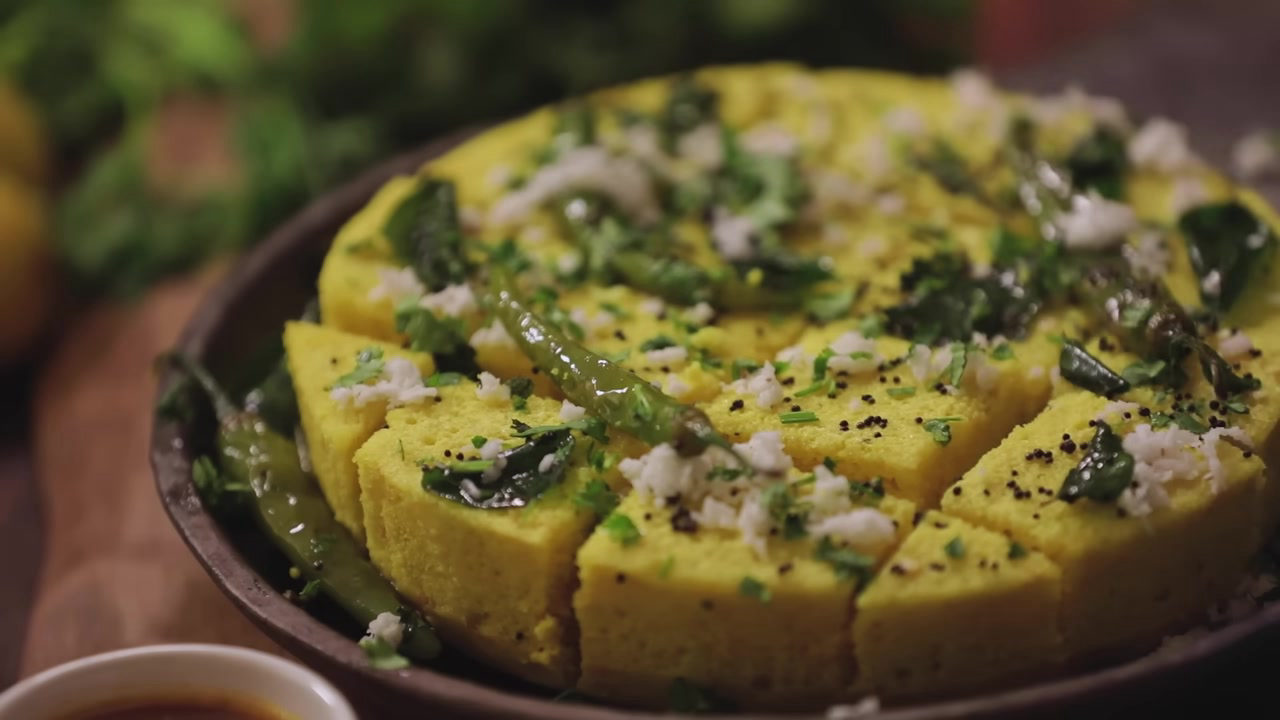
Dhokla - Home Cooking
Cuisine
Indian · Gujarati
Prep + Cook Time
55 Minutes
Difficulty Level
Easy

Paneer Tikka Roll
Cuisine
Indian · North Indian
Prep + Cook Time
30 Minutes
Difficulty Level
Easy

Chawal ka Kheer Recipe – Indian Rice Pudding
Cuisine
Indian · North Indian
Prep + Cook Time
1 hr
Difficulty Level
Medium

Smoky Soya Kebab – South Indian Style
Cuisine
Indian · South Indian
Prep + Cook Time
1 hr 45 min
Difficulty Level
Medium

Potato and Semolina Fried Snack (Aloo Suji Puri)
Cuisine
Indian · North Indian
Prep + Cook Time
30 Minutes
Difficulty Level
Comments (0)
Sign in to leave a comment on this recipe.
Loading comments...