
Chicken Biryani – Indian Style
For the Basmati Rice
For the Chicken Stew
Step-by-Step Instructions
Follow each step to make the recipe successfully.
Prepare Basmati Rice
Pour 3.5 cups of basmati rice into a bowl. Wash the rice thoroughly under running water, gently rubbing the grains, until the water runs clear (approximately 5-6 washes). Soak the washed rice in fresh water for at least , or up to .
Prepare Rice Cooking Liquid
In a red cast iron pot, bring water to a boil. Add 1 cinnamon stick, 1 tsp turmeric powder, 1 large piece of ginger, 2 Maggi Magic Chicken Cubes, and salt to taste. Let the mixture boil to infuse the flavors.
Cook Basmati Rice
Once the flavored water is boiling, add the soaked basmati rice. Cook the rice like pasta until it is , meaning it's cooked but still has a slight bite. Stir occasionally to prevent sticking. Once cooked, drain the rice and transfer it to a bowl. Drizzle with 1 tbsp of olive oil and gently toss to prevent sticking and add a subtle sheen. Set aside to rest.
Prepare Fried Shallots
Heat 1/2 cup of oil in a pan. Add 2 large thinly sliced red onions (shallots) and fry gently over medium heat until they turn golden brown and crispy. This process should be slow to ensure even cooking and maximum flavor extraction. Once fried, remove the shallots from the oil and place them on a plate. Reserve the flavored oil for the chicken stew.
Prepare Ginger-Garlic-Onion Paste
In a KitchenAid blender, combine 1 large chopped red onion, 1 large chopped piece of ginger, 1 head of peeled garlic, and 1/4 cup of water. Blend until a smooth paste is formed.
Sear Chicken
Season 1 kg of chicken (drumsticks and thighs) with salt. In a blue cast iron pot, heat 1/4 cup of the reserved flavored oil (from frying shallots). Add the blended ginger-garlic-onion paste and until fragrant and the raw smell disappears. Add the seasoned chicken pieces and them until lightly browned on all sides.
Cook Chicken Stew Base
Add 1 packet of ready-made Biryani mix to the chicken and paste, stirring well to coat the chicken. Pour in 1 can of tomatoes and stir. Add 1 tsp of cumin powder and 1 Maggi Magic Chicken Cube, mixing thoroughly. Cook until the tomatoes break down and the sauce thickens slightly. Stir in 1/2 cup of plain yogurt, ensuring it's well combined. Add 5-6 dried red chilies and 1/4 cup of fresh curry leaves. the stew until the chicken is cooked through and tender.
Toast Cashews
In a separate pan, 1/2 cup of cashews over medium heat until golden brown. Set aside for topping.
Assemble and Steam Biryani
In a clean red cast iron pot, ladle a thin layer of the chicken stew gravy at the bottom. Spread a layer of the cooked basmati rice over the gravy. Arrange some chicken pieces on top of the rice. Sprinkle with some of the fried shallots. Repeat the layering process: rice, chicken, curry leaves, chilies, and fried shallots. Finish with a final layer of rice. Top the entire biryani with cashews, chopped fresh cilantro, and slices of butter. Cover the pot tightly and let it over low heat for , allowing the flavors to meld and the butter to melt.
Serve Chicken Biryani
Once , gently fluff the biryani with a spoon to mix the layers. Serve hot on a platter, garnished with fresh lemon slices. Enjoy your homemade Chicken Biryani!
Before You Cook
Helpful details before you startIngredient SubstitutionsMissing something? View suitable alternatives.View 6 swaps
No Onion?
- 1 tbsp onion powder (per medium onion)
- 3 tbsp dried minced onion
- Shallots or leeks (1:1)
No Garlic (fresh)?
- 1/4 tsp garlic powder (per clove)
- 1/2 tsp garlic granules (per clove)
No Yogurt?
- Sour cream (1:1)
- Buttermilk (1:1, slightly thinner result)
No Curry leaves?
- 1 bay leaf + a pinch of lemon zest — Aroma only — flavor is unique.
No Cilantro?
- Flat-leaf parsley (1:1, milder)
- Fresh mint (in chutneys, salads)
No Butter?
- 3/4 the amount of olive oil (for cooking, not baking)
- Equal parts ghee — Slightly nuttier flavor.
- Equal parts coconut oil (in baking)
Plan Ahead
Complete this step earlier to save time later.
- View Step 1Prepare Basmati Rice1 hour
Pour 3.5 cups of basmati rice into a bowl. Wash the rice thoroughly under running water, gently rubbing the grains, until the water runs clear (approximately 5-6 washes). Soak the washed rice in fresh water for at least 1 hour, or up to 2 hours.
Variations
Simple ways to adapt this recipe.
- Use lamb or goat insteadIngredient swap
Use lamb or goat instead of chicken for a different meat option.
- Add mixed vegetables like potatoesCustomise
Carrots, or green beans for a vegetable biryani variation.
- Adjust the amount of chiliCustomise
Adjust the amount of chili to suit your preferred spice level, or use fresh green chilies for a different heat profile.
Helpful Tips
Small details that can improve the final result.
You might also like
Other recipes in the same cuisine, meal type, or style — ready to cook whenever you are.
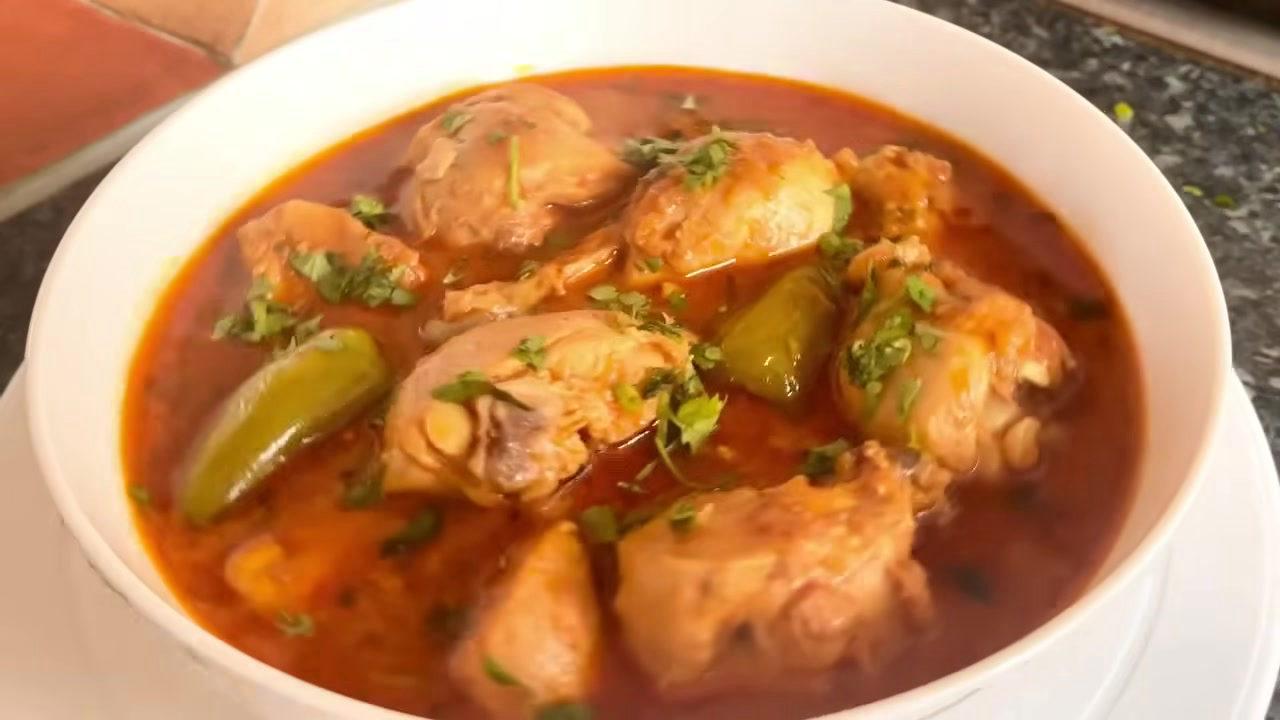
Delicious Chicken Curry
Cuisine
Indian · North Indian
Prep + Cook Time
1 hr 30 min
Difficulty Level
Medium

Kaane Meenina Puli Munchi (Ladyfish Curry) – Tulu Nadu Special
Cuisine
Indian · South Indian
Prep + Cook Time
35 Minutes
Difficulty Level
Easy
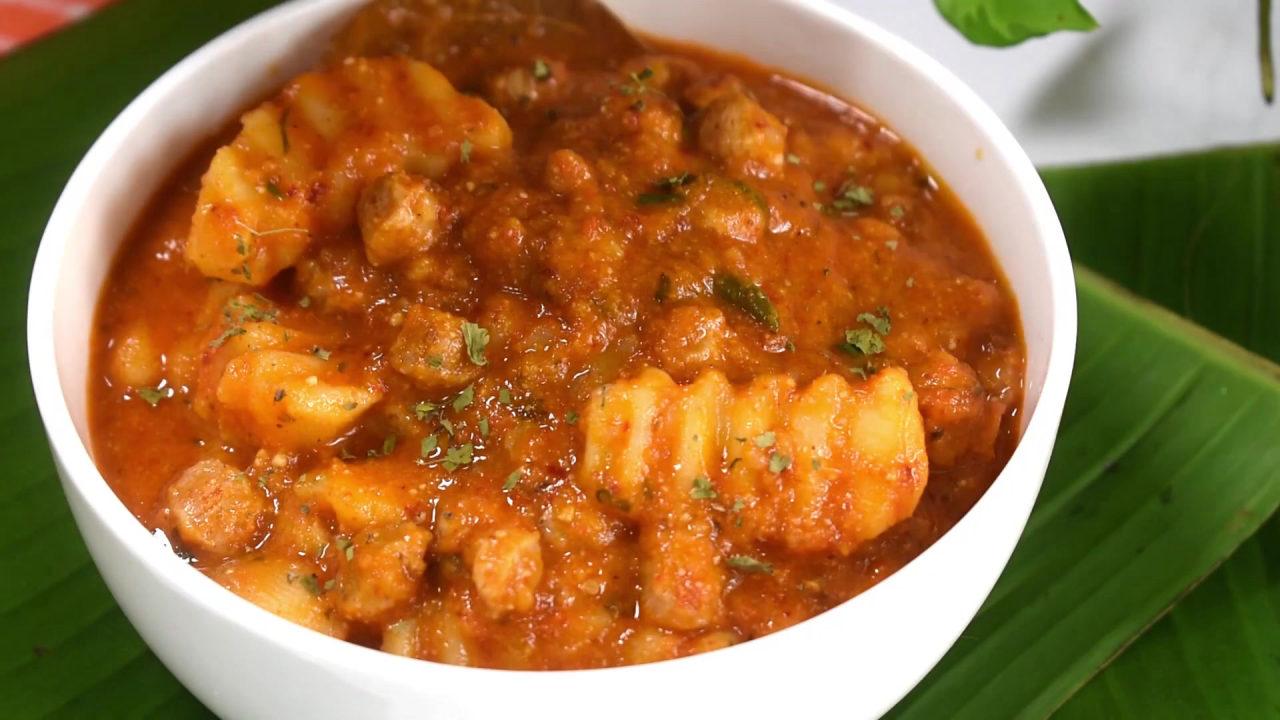
Meal Maker Gravy (Soya Chunks Masala)
Cuisine
Indian · North Indian
Prep + Cook Time
45 Minutes
Difficulty Level
Easy

Tari Wala Paneer (Paneer Gravy)
Cuisine
Indian · North Indian
Prep + Cook Time
55 Minutes
Difficulty Level
Medium
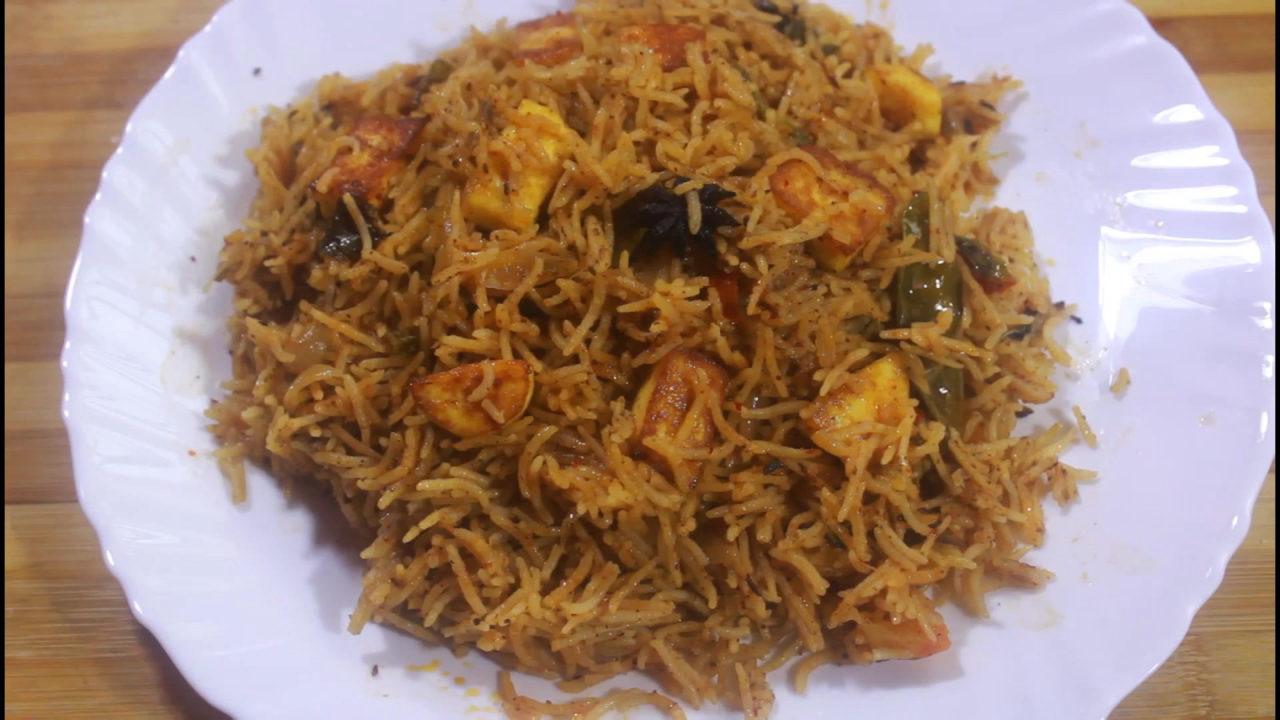
Paneer Biryani in Pressure Cooker
Cuisine
Indian · North Indian
Prep + Cook Time
1 hr 5 min
Difficulty Level
Medium
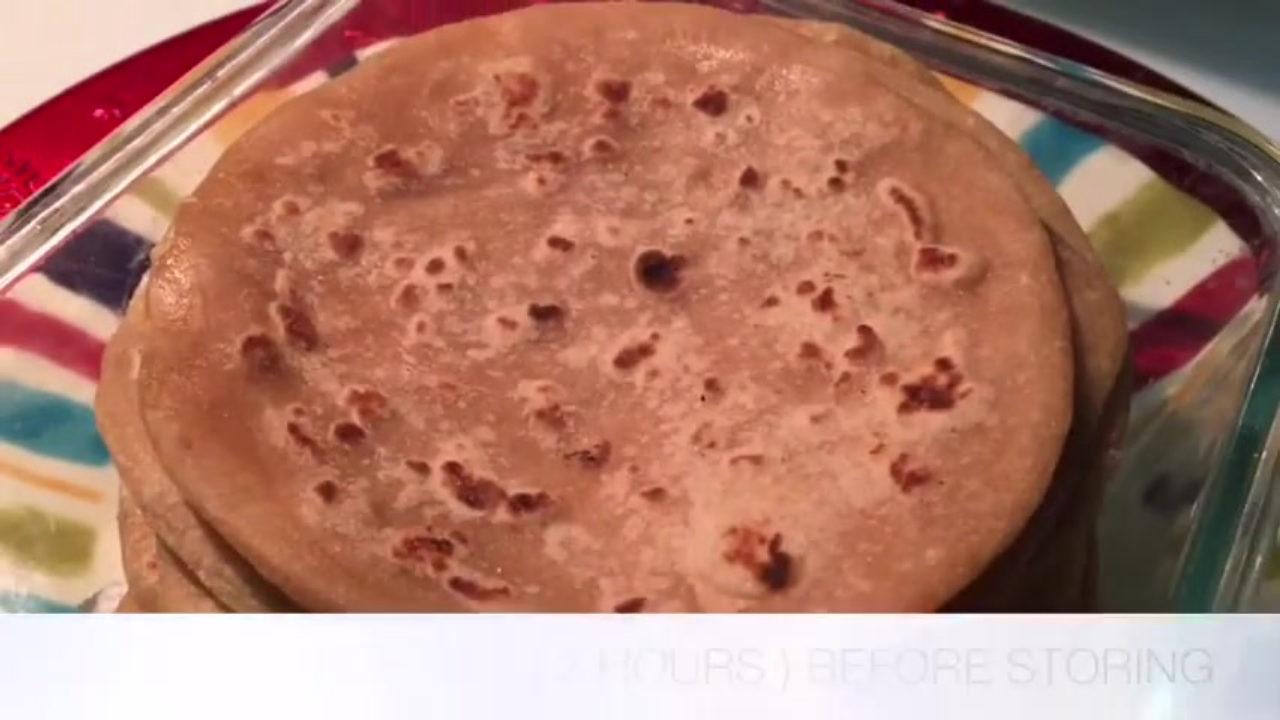
Whole Wheat Flour Tortilla
Cuisine
Indian · North Indian
Prep + Cook Time
2 hr
Difficulty Level
Comments (0)
Sign in to leave a comment on this recipe.
Loading comments...