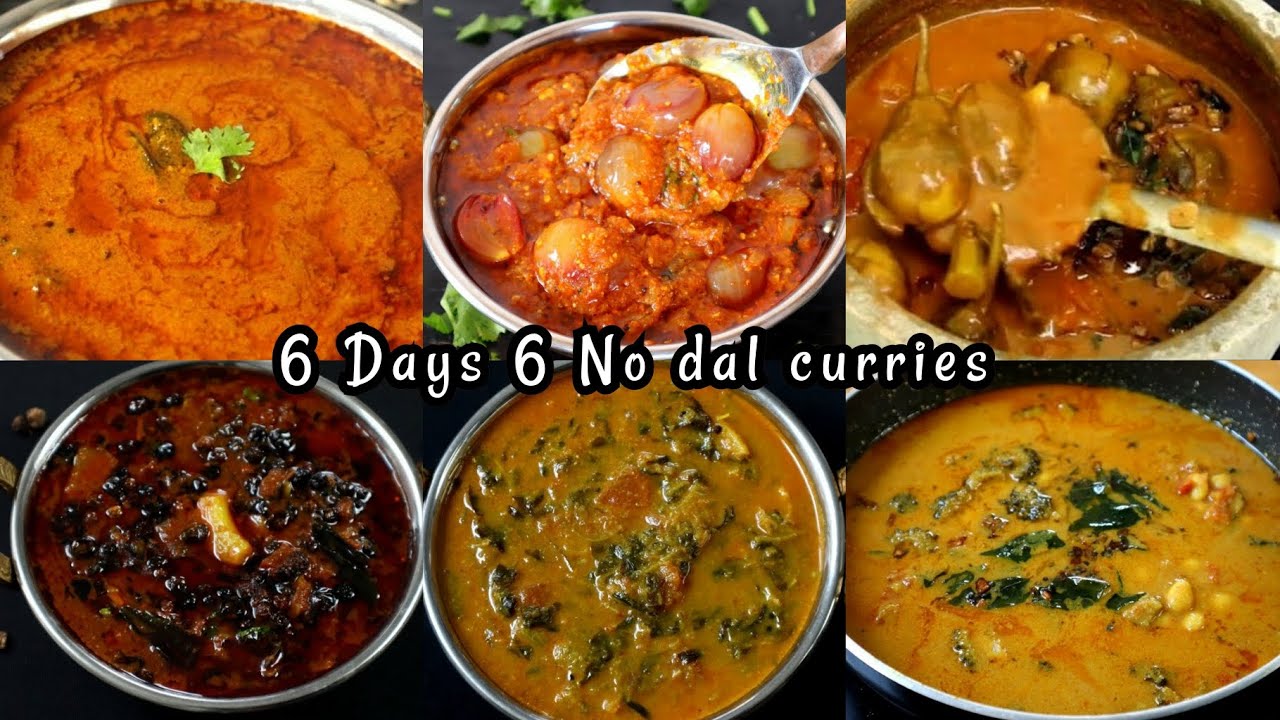
Chettinad Spicy Curry
For Masala Paste - Dry Roasting Spices
For Masala Paste - Frying Aromatics
For Curry
For Tempering
Step-by-Step Instructions
Follow each step to make the recipe successfully.
Dry Roast Spices
Heat 1 tbsp sesame oil in a pan. Add 1/2 tsp fenugreek seeds, 1 tbsp split chickpeas, 1 tbsp split black gram, 2 tbsp coriander seeds, 1 tbsp rice, 1 tsp cumin seeds, and 1 tsp fennel seeds. Stir and roast until the spices turn golden brown, which takes about . Then add a few curry leaves and 2-3 dry chillies. Continue roasting for another until aromatic. Transfer the roasted spices to a grinder.
Fry Aromatics for Masala Paste
In the same pan, add 1 tbsp sesame oil. Add 8-10 garlic cloves and 8-10 shallots (or 1 onion). until the shallots become translucent, about . Add 1/4 cup shredded coconut and continue frying until the coconut turns light golden, about . Stir in 1 tbsp sambar powder and salt as required. Fry for until fragrant. Transfer these fried aromatics to the same grinder as the dry roasted spices.
Grind Masala Paste
Add a little water to the grinder with the roasted spices and fried aromatics. Grind everything to a smooth, fine paste.
Cook Vegetables and Masala
Heat 2 tbsp sesame oil in a stone pot (or heavy-bottomed pot). Add 8-10 small, slit brinjals, 10-15 garlic cloves, 10-15 peeled shallots, and 1-2 drumsticks (cut into pieces). for until the brinjals start to soften. Add 2 quartered tomatoes and cook for until they soften. Add the prepared masala paste to the pot. Rinse the grinder with some water and add that water to the pot to get all the masala. Add the pulp from a lemon-sized tamarind (soaked in water for ). Add 2-3 cups of water to adjust the consistency. Stir everything well to combine.
Simmer the Curry
Bring the curry to a boil, then the heat to a . Add 1/4 tsp asafoetida. Stir occasionally and cook for , or until the vegetables are tender and the oil starts to ooze out from the sides, indicating the curry is well cooked.
Prepare Tempering
In a separate small pan, heat 1 tbsp sesame oil. Add 1/2 tsp mustard seeds and 1/2 tsp split black gram. Let them splutter for . Add 3-4 crushed garlic cloves, 3-4 chopped shallots, and a few curry leaves. Fry until the shallots turn golden brown, about .
Finish and Serve
Pour the prepared over the curry. Stir gently to combine. The Chettinad Spicy Curry is now ready to be served hot with rice or your preferred accompaniment.
Before You Cook
Helpful details before you startIngredient SubstitutionsMissing something? View suitable alternatives.View 5 swaps
No Curry leaves?
- 1 bay leaf + a pinch of lemon zest — Aroma only — flavor is unique.
No Garlic (fresh)?
- 1/4 tsp garlic powder (per clove)
- 1/2 tsp garlic granules (per clove)
No Onion?
- 1 tbsp onion powder (per medium onion)
- 3 tbsp dried minced onion
- Shallots or leeks (1:1)
No Shallot?
- 1 small onion + 1 small garlic clove
- Sweet onion (1:1, milder)
No Asafoetida (hing)?
- 1/4 tsp garlic powder + 1/4 tsp onion powder
Variations
Simple ways to adapt this recipe.
- Add other vegetables like potatoesCustomise
Carrots, or gourds for variety.
- For a nonDietary option
Vegetarian version, chicken or mutton can be added after sautéing.
Helpful Tips
Small details that can improve the final result.
You might also like
Other recipes in the same cuisine, meal type, or style — ready to cook whenever you are.

Drumstick and Potato Curry (Aloo Sahjan ki Sabzi)
Cuisine
Indian · North Indian
Prep + Cook Time
40 Minutes
Difficulty Level
Medium

Simple Indian Curry Paste & Chickpea Curry
Cuisine
Indian · North Indian
Prep + Cook Time
45 Minutes
Difficulty Level
Easy

One Pot White Pulao – Hotel Style
Cuisine
Indian · South Indian
Prep + Cook Time
35 Minutes
Difficulty Level
Easy
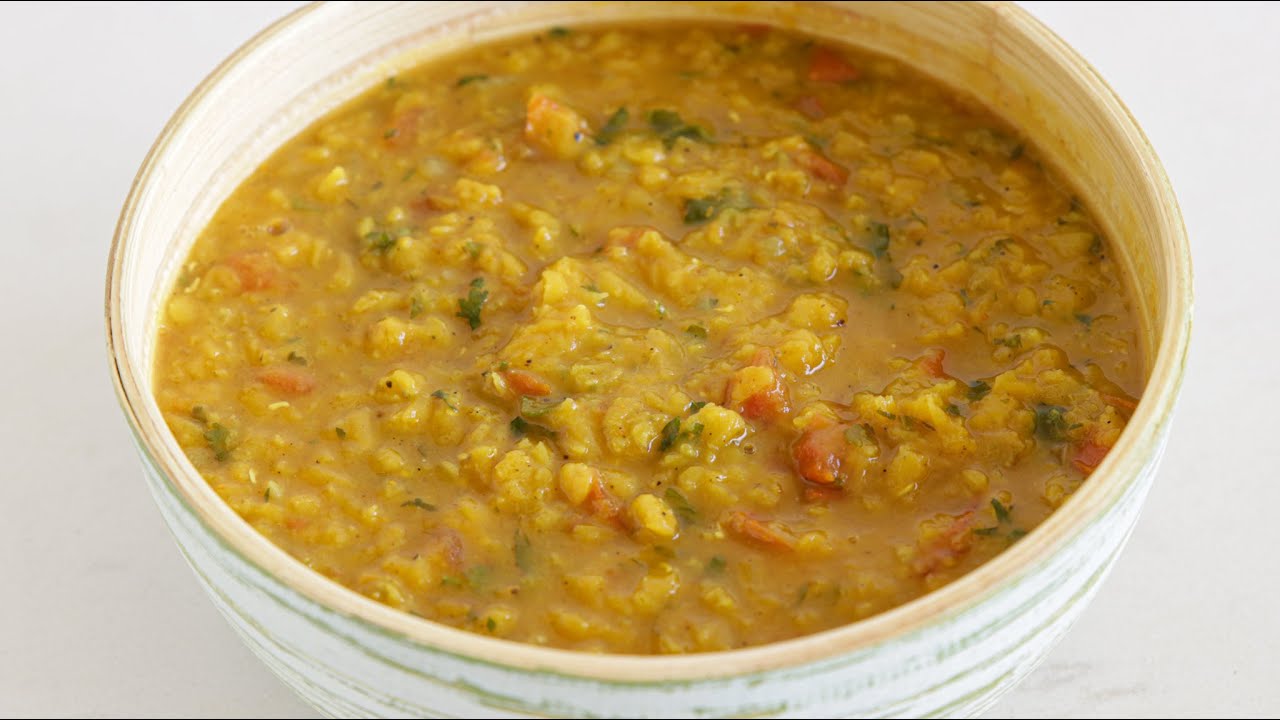
Red Lentil Dal (Masoor Dal)
Cuisine
Indian
Prep + Cook Time
45 Minutes
Difficulty Level
Easy

Dhal – Indian Style
Cuisine
Indian · South Indian
Prep + Cook Time
1 hr
Difficulty Level
Easy

Easy Paneer Curry – North Indian Style
Cuisine
Indian · North Indian
Prep + Cook Time
45 Minutes
Difficulty Level
Comments (0)
Sign in to leave a comment on this recipe.
Loading comments...