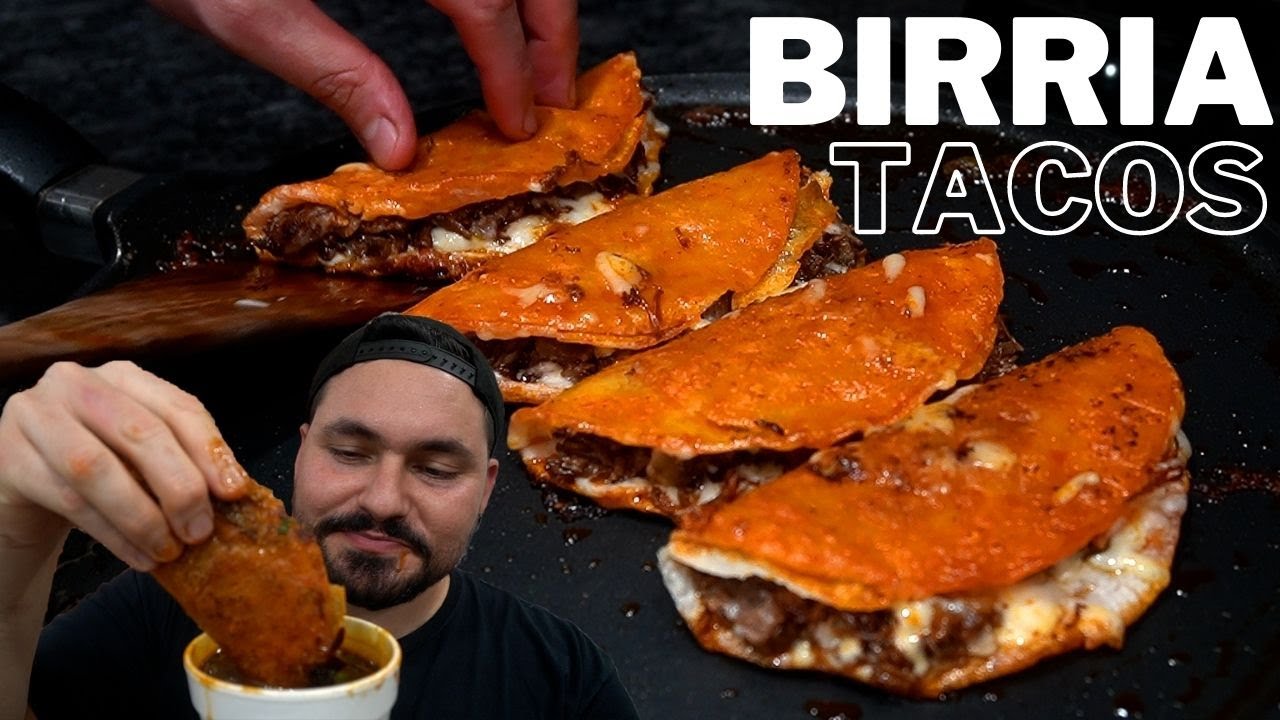
Birria Tacos - La Capital
For the Adobo
For the Birria Meat
For the Tomatillo Salsa
For Serving Tacos
Step-by-Step Instructions
Follow each step to make the recipe successfully.
Prepare the Adobo Base
Heat a splash of olive oil in a pot over medium heat. Add 10 quartered tomatoes (or jitomates), 1 roughly chopped white onion, and 10-12 garlic cloves. for about until slightly softened.
Add Spices and Chilies to Adobo
Add 1 large tablespoon of allspice, 1 large tablespoon of black pepper, 1 teaspoon of ground cumin, 1 to 1.5 teaspoons of dried thyme, 1 to 1.5 teaspoons of dried oregano, a small piece of cinnamon stick (less than half of a large stick), and 2-3 bay leaves. Stir well to combine. Add 5 dried ancho chilies (seeds and veins removed) and 8 dried guajillo chilies (seeds and veins removed). Continue to mix for about to allow the flavors to meld.
Finish Adobo and Blend
Add 2 tablespoons of white vinegar and 1 liter of water to the pot. Bring to a boil and for another . Once , transfer all contents of the pot to a blender. Blend at maximum power, starting at a low speed due to the heat, until the mixture is as smooth as possible.
Prepare the Birria and Cook
Place 2.5 kg of beef short ribs (or other preferred beef cuts) into a large pot. Pour the blended adobo over the meat. Add salt to taste. Bring the mixture to a boil over medium-low heat, then heat to low, cover, and for approximately , or until the meat is very tender and easily falls off the bone. The cooking time will vary depending on the type and size of the meat.
Prepare the Tomatillo Salsa
While the birria cooks, prepare the salsa. In a separate pot, boil a handful of dried árbol chilies, 2 dried pasilla chilies, and 10 tomatillos. Once the water boils, count , then turn off the heat and for . Transfer the boiled chilies and tomatillos to a blender. Add a splash of the boiling water, 2-3 garlic cloves, a quarter of a white onion, salt to taste, and freshly ground black pepper. Blend until smooth, aiming for a medium speed to keep some of the tomatillo seeds intact for texture.
Shred the Cooked Meat and Strain Consommé
Once the birria meat is tender, remove it from the pot and place it on a cutting board. The meat should be so tender that it easily separates from the bone. Shred or finely chop the meat. Do not discard the cooking liquid (consommé). Strain the consommé through a fine-mesh sieve to remove any remaining solids from the adobo. Transfer the strained consommé to a container and refrigerate overnight to allow the fat to solidify on top.
Reheat Meat and Prepare Tortillas
The next day, remove the solidified fat from the top of the refrigerated consommé. This fat will be used to dip the tortillas. Reheat the shredded birria meat on a comal or griddle over low heat, stirring occasionally. Heat the birria fat on the comal/griddle. Dip corn tortillas in the hot birria fat, ensuring they are fully coated.
Assemble and Cook Birria Tacos
Place the fat-dipped tortillas on the comal/griddle. Add a generous amount of the reheated birria meat onto each tortilla. Sprinkle shredded Monterrey Jack cheese (or similar melting cheese) over the meat. Fold the tortillas in half to form tacos. Cook until the cheese is melted and gooey, and the tortillas are crispy and golden brown on both sides, forming a delicious crust with the cheese.
Serve Birria Tacos with Consommé and Salsa
Reheat the strained consommé until hot. Serve the crispy birria tacos immediately. Garnish with white onion and chopped cilantro. Offer the tomatillo salsa and lime wedges on the side. Pour some hot consommé into a cup for dipping the tacos, optionally adding more meat, onion, cilantro, and a squeeze of lime to the consommé.
Before You Cook
Helpful details before you startIngredient SubstitutionsMissing something? View suitable alternatives.View 5 swaps
No Onion?
- 1 tbsp onion powder (per medium onion)
- 3 tbsp dried minced onion
- Shallots or leeks (1:1)
No Garlic (fresh)?
- 1/4 tsp garlic powder (per clove)
- 1/2 tsp garlic granules (per clove)
No Bay leaf?
- 1/4 tsp dried thyme (per leaf)
- Pinch of dried oregano
No Vinegar (white)?
- Lemon or lime juice (1:1)
- Apple cider vinegar (1:1)
No Cilantro?
- Flat-leaf parsley (1:1, milder)
- Fresh mint (in chutneys, salads)
Plan Ahead
Complete this step earlier to save time later.
- View Step 6Shred the Cooked Meat and Strain ConsomméOvernight
Once the birria meat is tender, remove it from the pot and place it on a cutting board. The meat should be so tender that it easily separates from the bone. Shred or finely chop the meat. Do not discard the cooking liquid (consommé). Strain the consommé through a fine-mesh sieve to remove any remaining solids from the adobo. Transfer the strained consommé to a container and refrigerate overnight to allow the fat to solidify on top.
Variations
Simple ways to adapt this recipe.
- For the adoboCustomise
You can add other dried chilies like puya, árbol, morita, or cascabel.
- For the birria meat
Goat (chivo) is traditional, but other beef cuts like chambarete, rabo de res, or diezmillo with bone can also be used.
- Adjust the amount of chile
Adjust the amount of chile de árbol in the salsa to control the spice level.
Helpful Tips
Small details that can improve the final result.
You might also like
Other recipes in the same cuisine, meal type, or style — ready to cook whenever you are.

Spicy Mutton Curry (Varuthu Aracha Mutton Kulambu) - UK Cholan Tamilan Style
Cuisine
Indian · South Indian
Prep + Cook Time
1 hr 10 min
Difficulty Level
Medium

Kozhikode-Style Mutton Dum Biryani
Cuisine
Indian · Malabar, Kerala
Prep + Cook Time
7 hr 40 min
Difficulty Level
Medium

Home-Style Chicken Biryani - Chef Deena's Kitchen
Cuisine
Indian · South Indian
Prep + Cook Time
1 hr 45 min
Difficulty Level
Medium
Home Style Chicken Biryani – Coimbatore Special
Cuisine
Indian · South Indian
Prep + Cook Time
1 hr 20 min
Difficulty Level
Medium
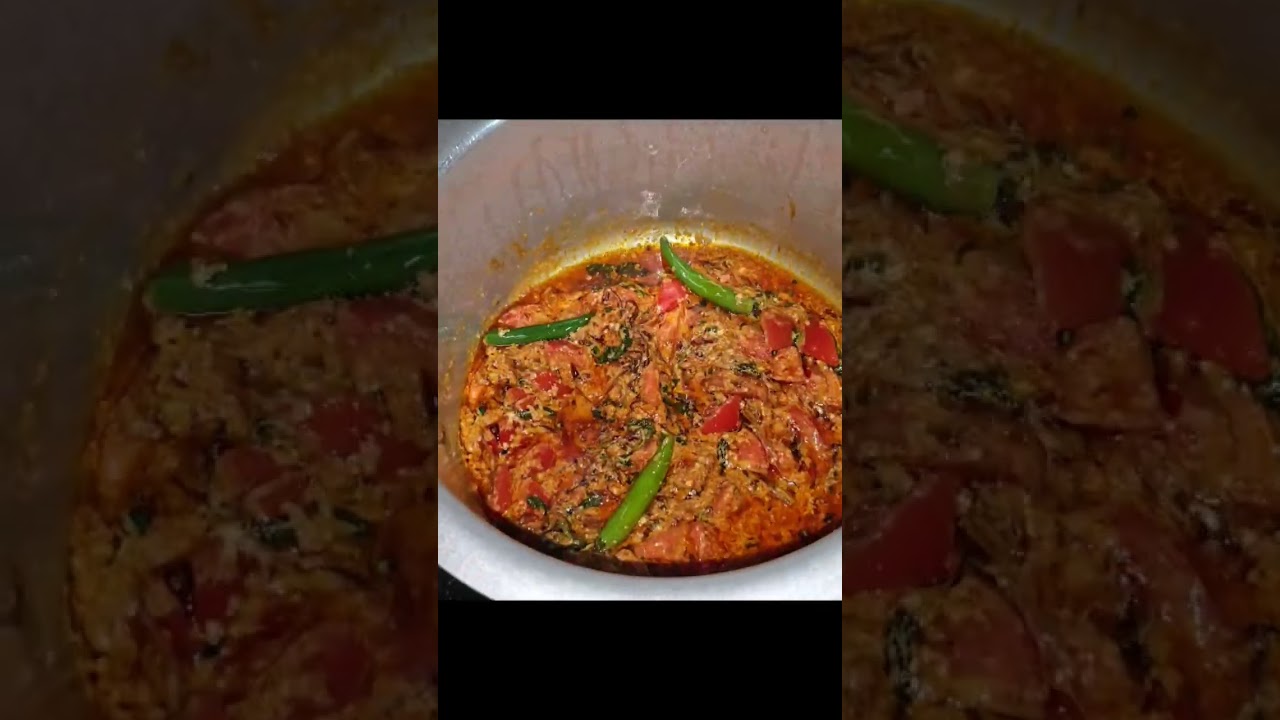
Delicious Chicken Biryani
Cuisine
Indian · South Indian
Prep + Cook Time
1 hr
Difficulty Level
Medium
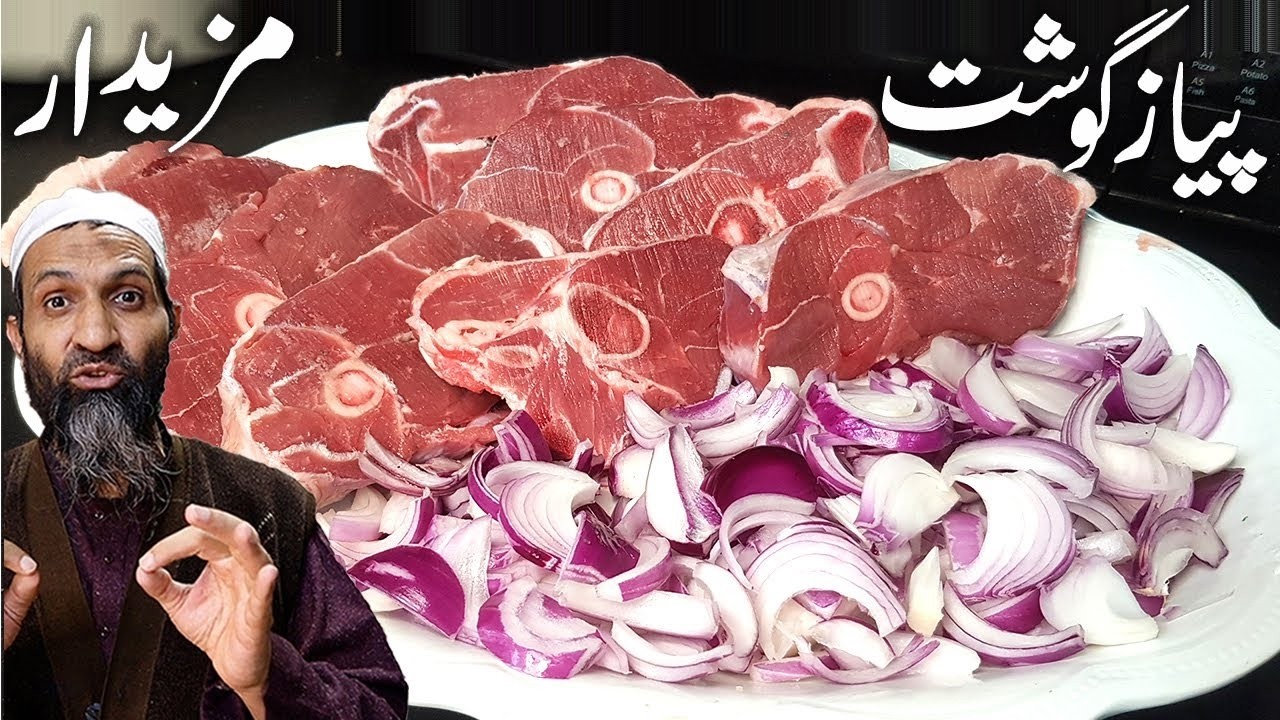
Mutton Do Pyaza
Cuisine
Pakistani · North Indian
Prep + Cook Time
1 hr
Difficulty Level
Comments (0)
Sign in to leave a comment on this recipe.
Loading comments...