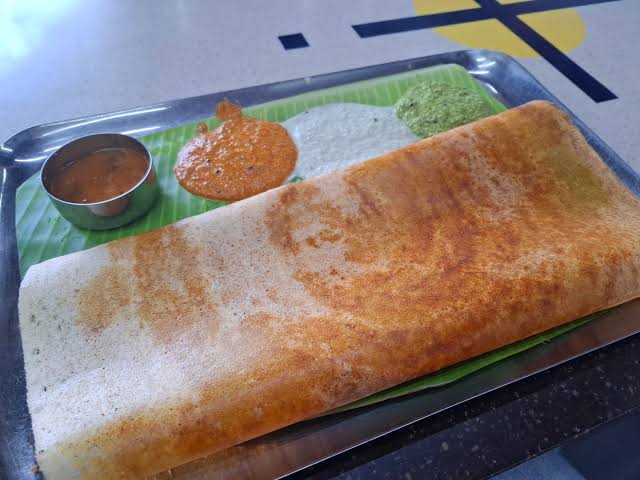

Crispy
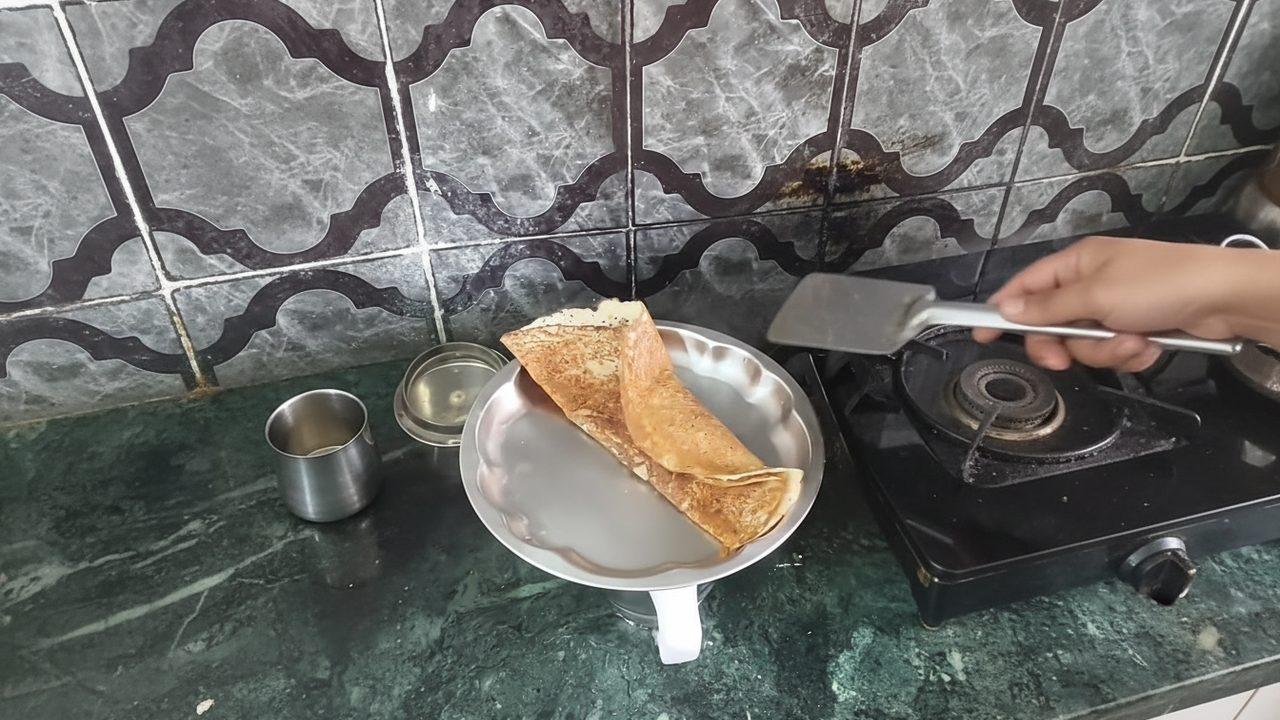
Many dosa recipes aim for a crispy texture, achieved through thin batter, hot tawa, and proper cooking techniques.
Explore delicious Dosa recipes, from traditional crispy South Indian dosas to soft, flavorful, instant, and healthy homemade variations.
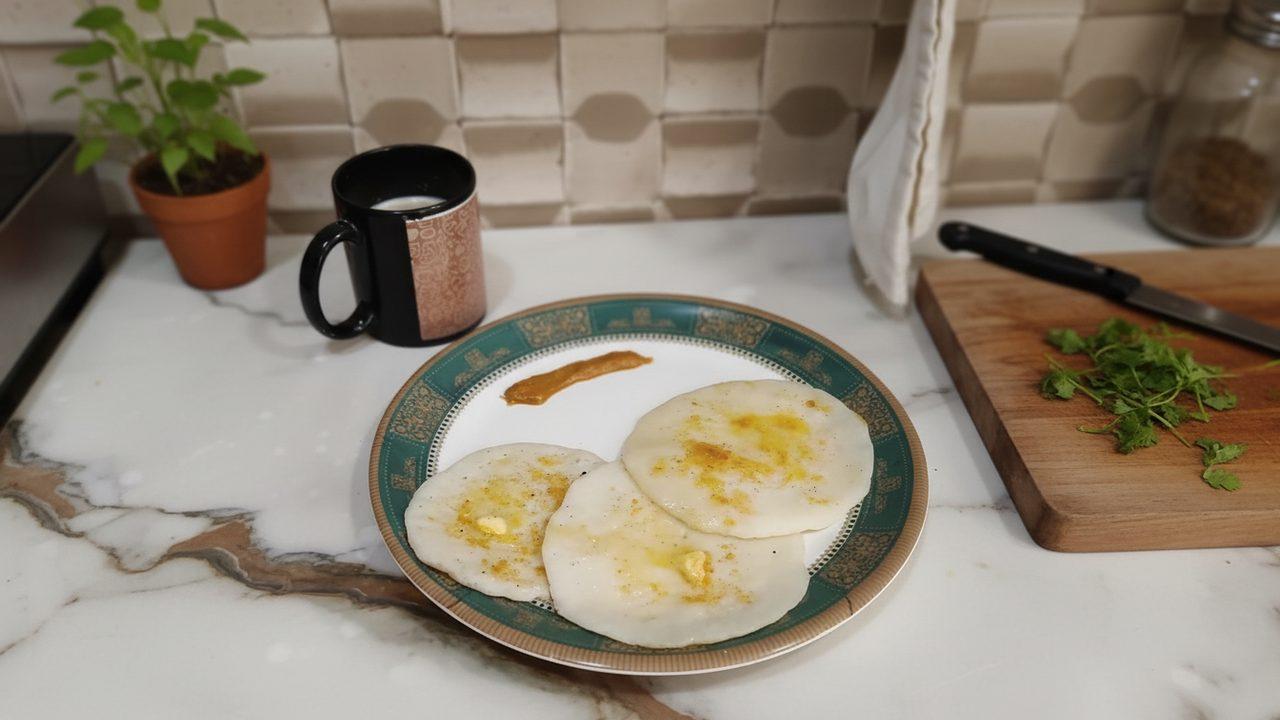
Indian · South Indian
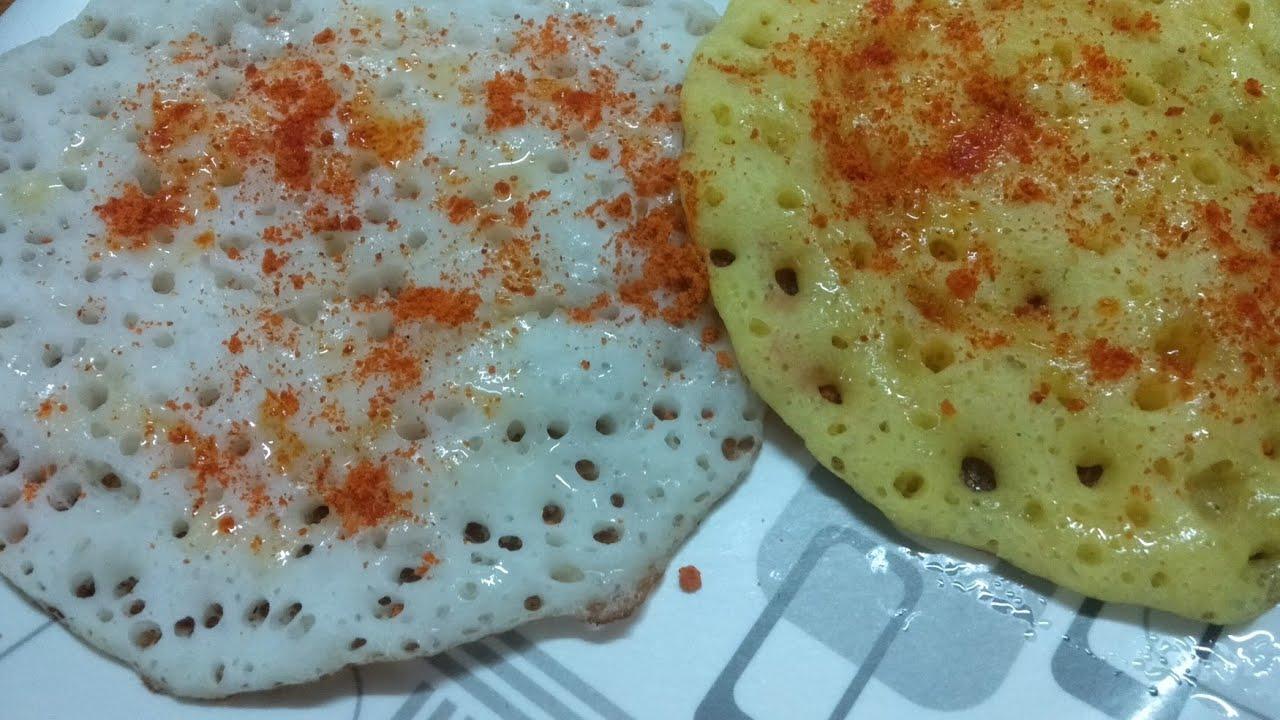
Indian · South Indian
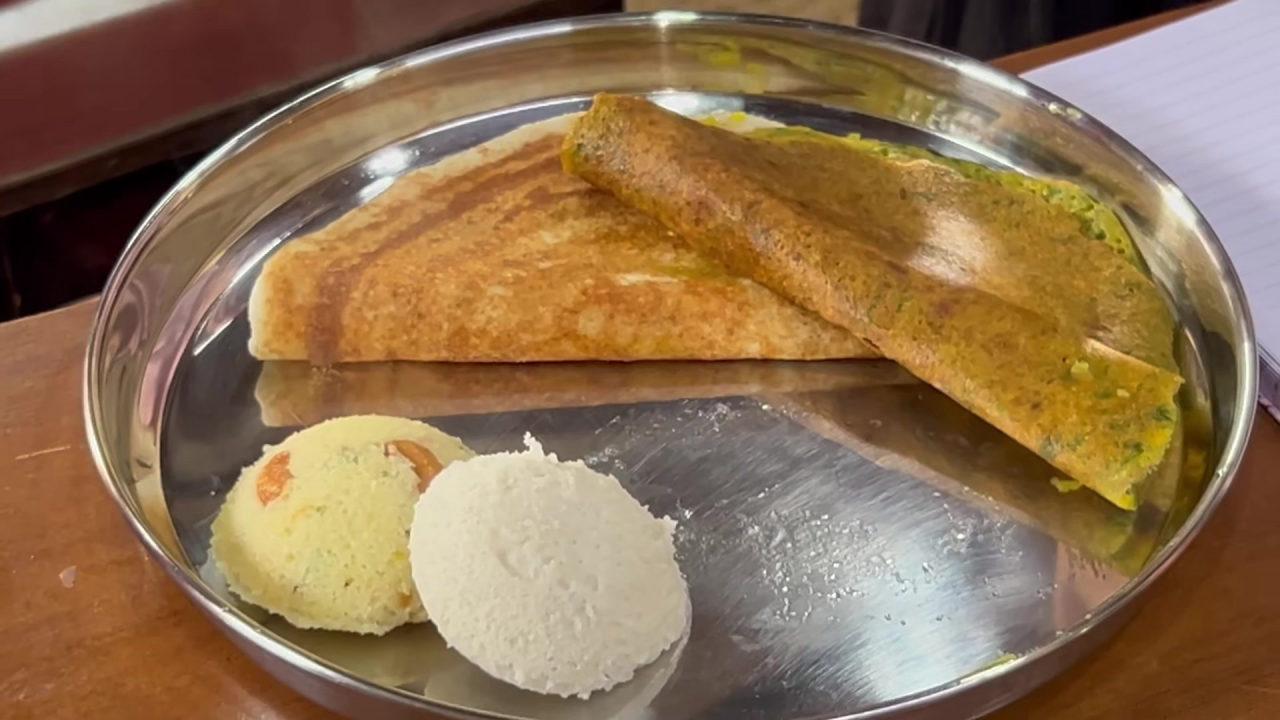
Indian · South Indian
Indian · South Indian
Indian · South Indian
Indian · South Indian
Many dosa recipes aim for a crispy texture, achieved through thin batter, hot tawa, and proper cooking techniques.
Some variations of dosa are specifically prepared to be soft and spongy, often differing in batter consistency and cooking method.
The traditional preparation of dosa involves fermenting a batter made from rice and lentils, which contributes to its characteristic flavor and texture.
Dosa is a staple dish from South Indian cuisine, with many regional variations and preparations.
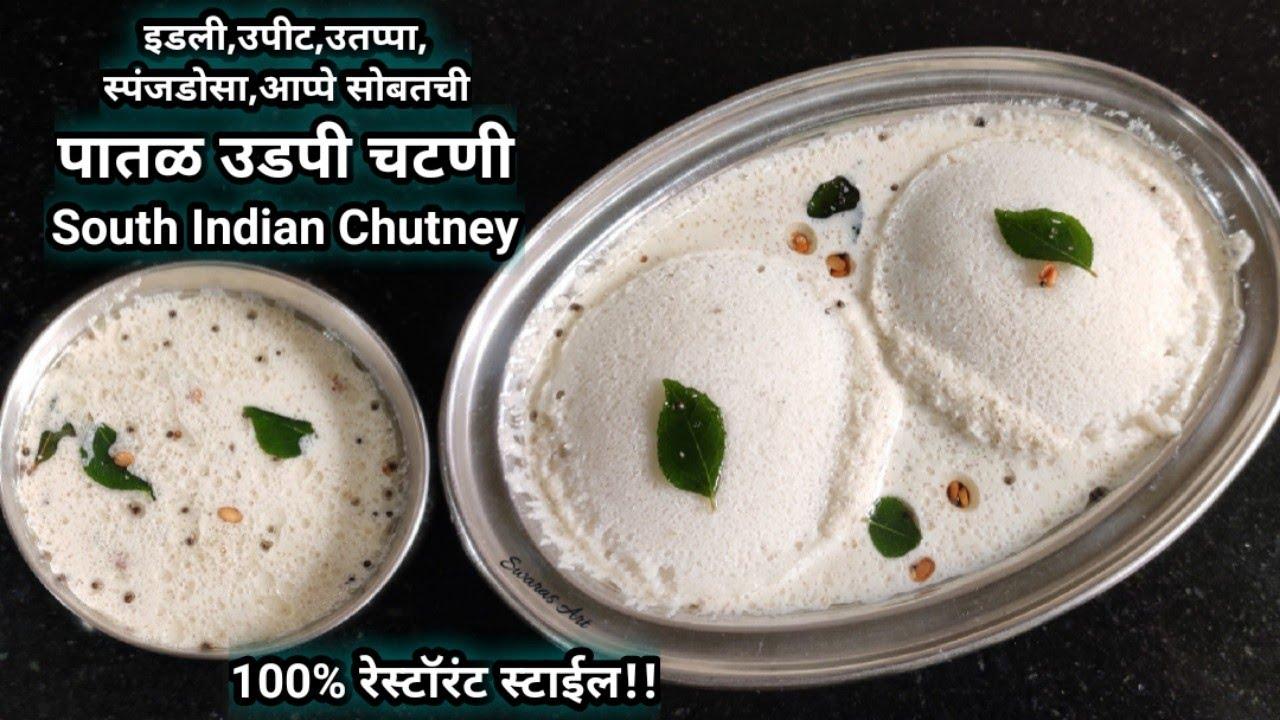
Dosas are commonly served with various types of South Indian chutneys, such as coconut chutney, tomato chutney, or mint chutney.
Sambar, a lentil-based vegetable stew, is a popular accompaniment for dosas.
Some variations are served with richer curries like chicken stew or egg curry.
Coconut milk is sometimes served alongside dosa, particularly for softer varieties.
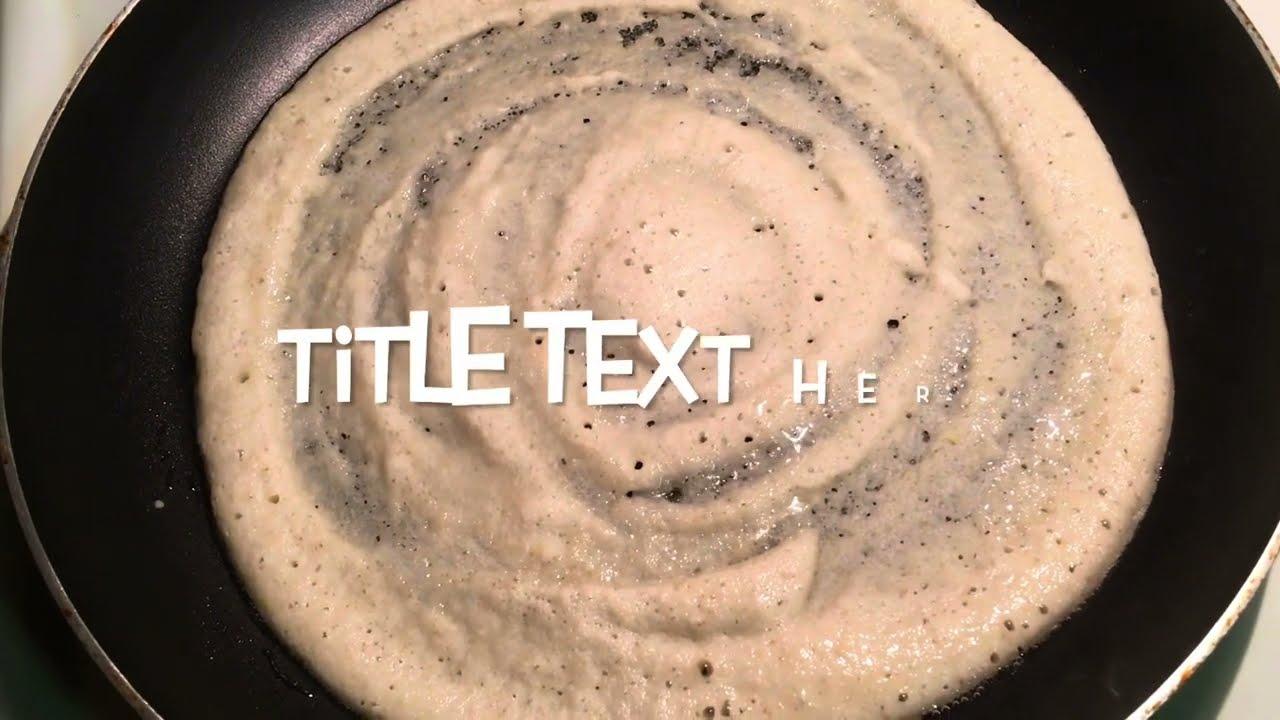
The batter might be too thick or too thin, affecting the dosa's texture and ability to spread evenly on the tawa.
The tawa might be too hot or too cold, causing the dosa to stick, burn, or not spread properly.
Insufficient or excessive fermentation of the batter can lead to dosas that are not fluffy or have an off-flavor.
Traditional dosa batter relies on natural fermentation from rice and lentils, not added yeast. However, some quick recipes might use leavening agents.
Water quantity can vary based on the type of flour and desired consistency. It's often added gradually until a pourable but not watery batter is achieved.
Some recipes suggest using regular rice or specific types like 'kanki' (broken rice). Cooked rice is also used in some variations.
Yes, many dosa batters are also suitable for making idlis, though the batter consistency might need slight adjustment.