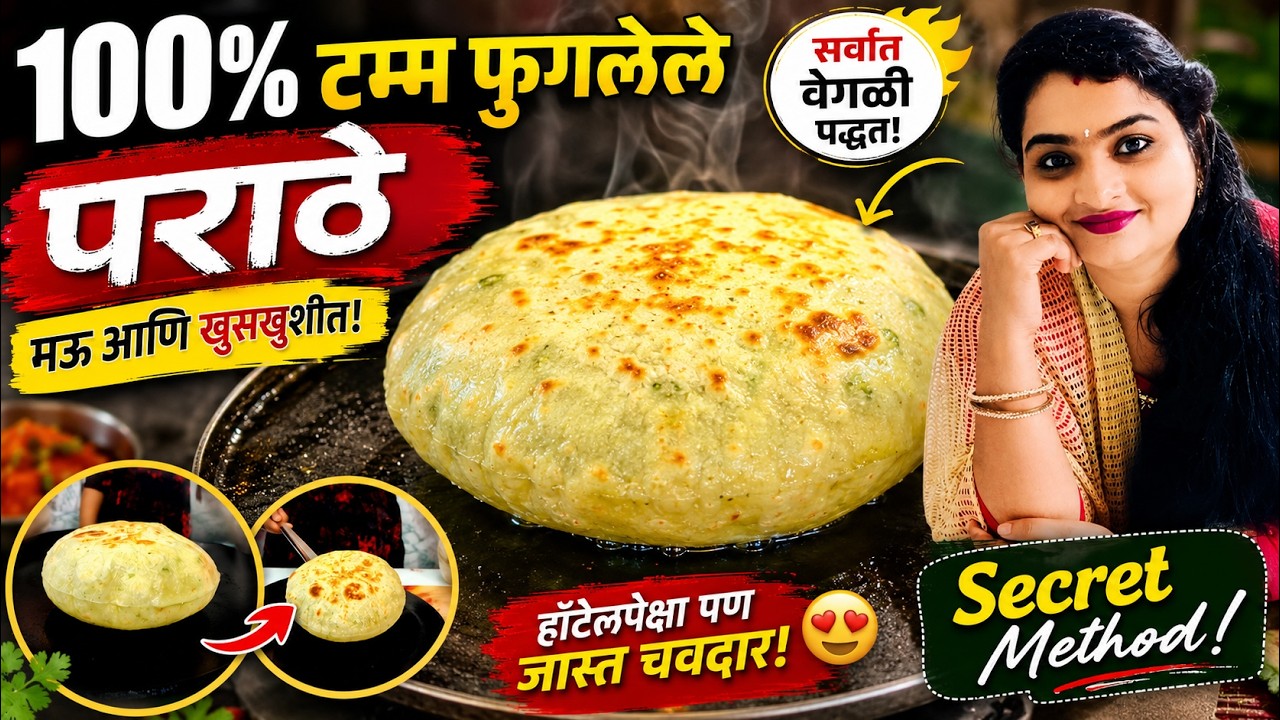
Upvasacha Aloo Paratha – Fasting Potato Flatbread
Main Ingredients
Step-by-Step Instructions
Follow each step to make the recipe successfully.
Roast Sago
Take 1 bowl of sago (sabudana) in a pan. Roast it on medium heat for until it puffs up and becomes fragrant, but do not let its color change. Transfer the roasted sago to a plate and let it cool completely.
Prepare Sago Flour
Once cooled, transfer the roasted sago to a mixer grinder and grind it into a very fine powder. Sieve the sago powder through a fine-mesh sieve to remove any coarse particles, ensuring a smooth flour.
Prepare Green Chili Paste
Take 5 green chilies and grind them into a coarse paste in a mixer grinder. If allowed for fasting, you can add ginger, cumin, and coriander leaves at this stage.
Prepare Potato Paste
Cut 3 boiled potatoes into medium-sized pieces. Add these potato pieces to the mixer grinder along with the green chili paste. Grind them together on mode (turning the mixer on and off) until a fine, smooth paste is formed.
Knead the Dough
In a bowl, combine the potato paste, sago flour, salt to taste, and the remaining green chili paste. Mix all ingredients well and into a soft dough. Do not add any water initially, as potatoes contain enough moisture. If the dough feels too dry after thorough , add a very small amount of water, drop by drop, until it reaches a consistency similar to chapati dough. Cover the dough and for .
Form Dough Balls
After , take the rested dough and it again on a wooden board with a little oil for about . Divide the dough into equal-sized portions and roll them into smooth, round balls (pedas). Place these balls in a bowl to prevent them from drying out.
Roll the Parathas
Take one dough ball, flatten it slightly, and coat it evenly on both sides with Rajgira flour. Place it on a rolling board and gently roll it out into a circular shape using a rolling pin. For a perfectly round paratha, use a plate or lid to cut the rolled dough. Remove the excess dough from the edges; these can be combined and rolled into another paratha.
Cook the Parathas
Heat a tawa (griddle) on high flame. Once hot, place the rolled paratha on it. the flame to medium. Cook both sides of the paratha until they turn golden brown. Once the paratha starts to puff up, apply oil or ghee on both sides. Continue cooking for about on each side until it's nicely roasted and golden.
Serve
Repeat the process for the remaining dough balls. Serve the hot Upvas Aloo Parathas with chutney or curd.
Before You Cook
Helpful details before you startIngredient SubstitutionsMissing something? View suitable alternatives.View 1 swap
No Ghee?
- Unsalted butter (1:1)
- Neutral oil (1:1, lacks the toasted note)
Storage & Leftovers
Keep your leftovers fresh and ready to enjoy.
- Store
The leftover edges can be re-kneaded and rolled into another paratha, minimizing waste.
Variations
Simple ways to adapt this recipe.
- If allowed during fastingCustomise
You can add grated ginger, cumin powder, or finely chopped coriander leaves to the green chili paste for enhanced flavor.
Helpful Tips
Small details that can improve the final result.
You might also like
Other recipes in the same cuisine, meal type, or style — ready to cook whenever you are.
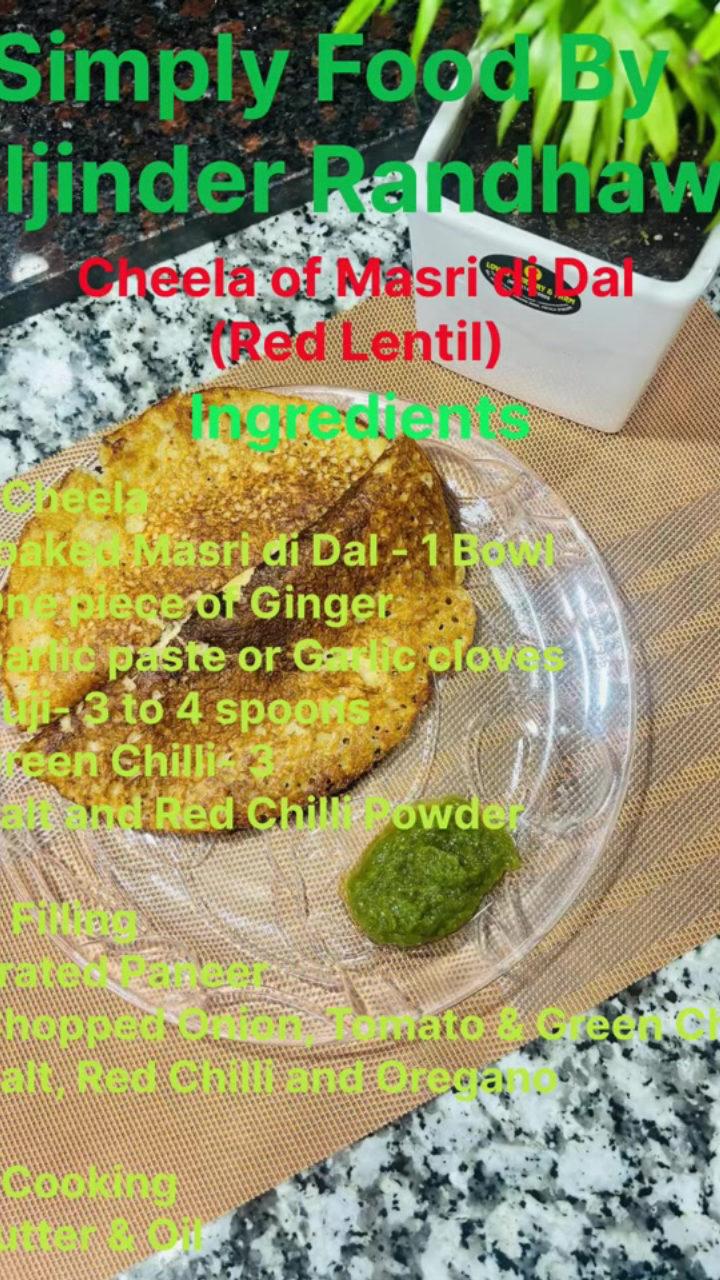
Cheela of Masri di Dal (Red Lentil)
Cuisine
Indian · North Indian
Prep + Cook Time
35 Minutes
Difficulty Level
Easy

Tricolour Veg Idli – Indian Breakfast
Cuisine
Indian · South Indian
Prep + Cook Time
35 Minutes
Difficulty Level
Easy
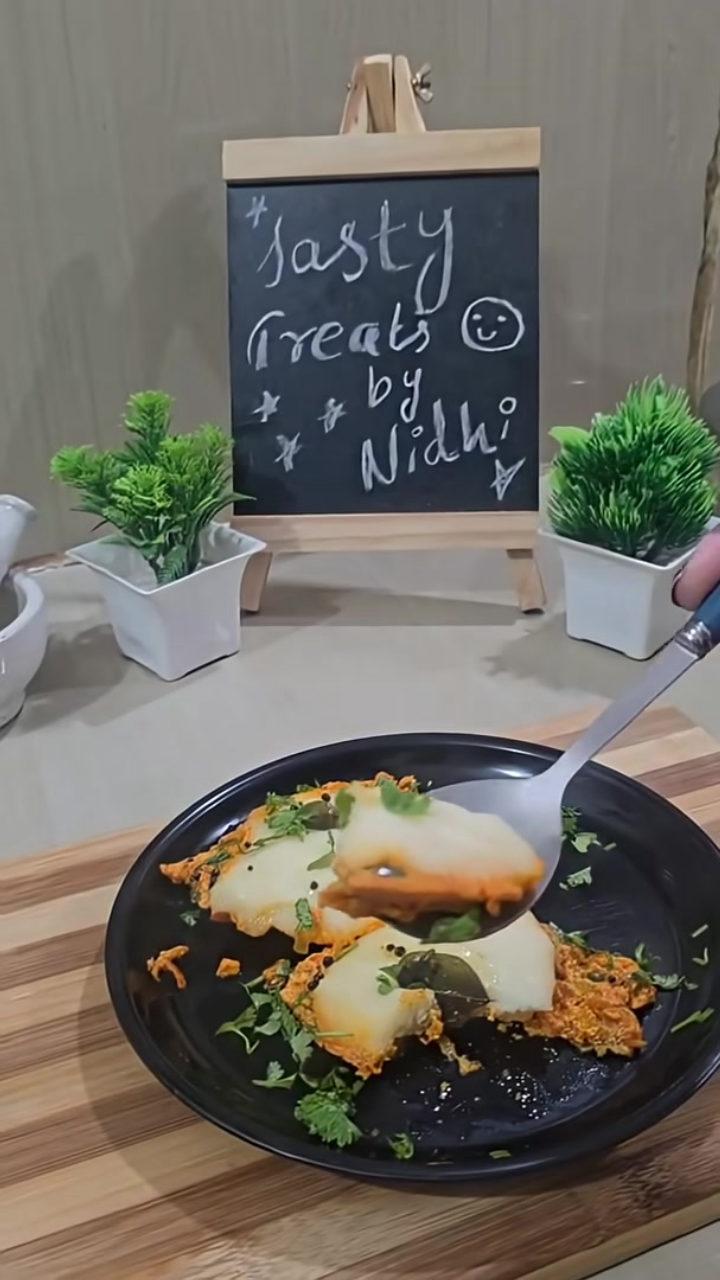
Suji Paneer Delight - Healthy & Tasty Breakfast
Cuisine
Indian · Fusion
Prep + Cook Time
35 Minutes
Difficulty Level
Easy
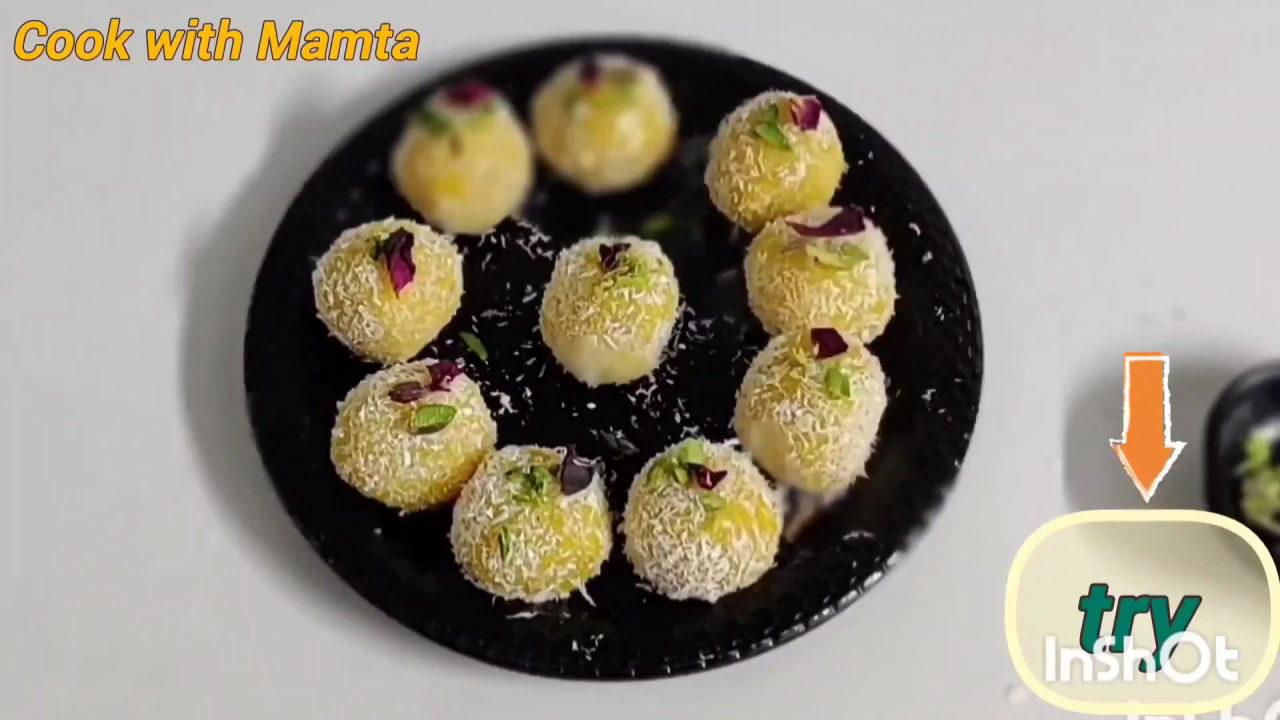
Mango Laddu Recipe - Cook with Mamta
Cuisine
Indian · Dessert
Prep + Cook Time
25 Minutes
Difficulty Level
Easy
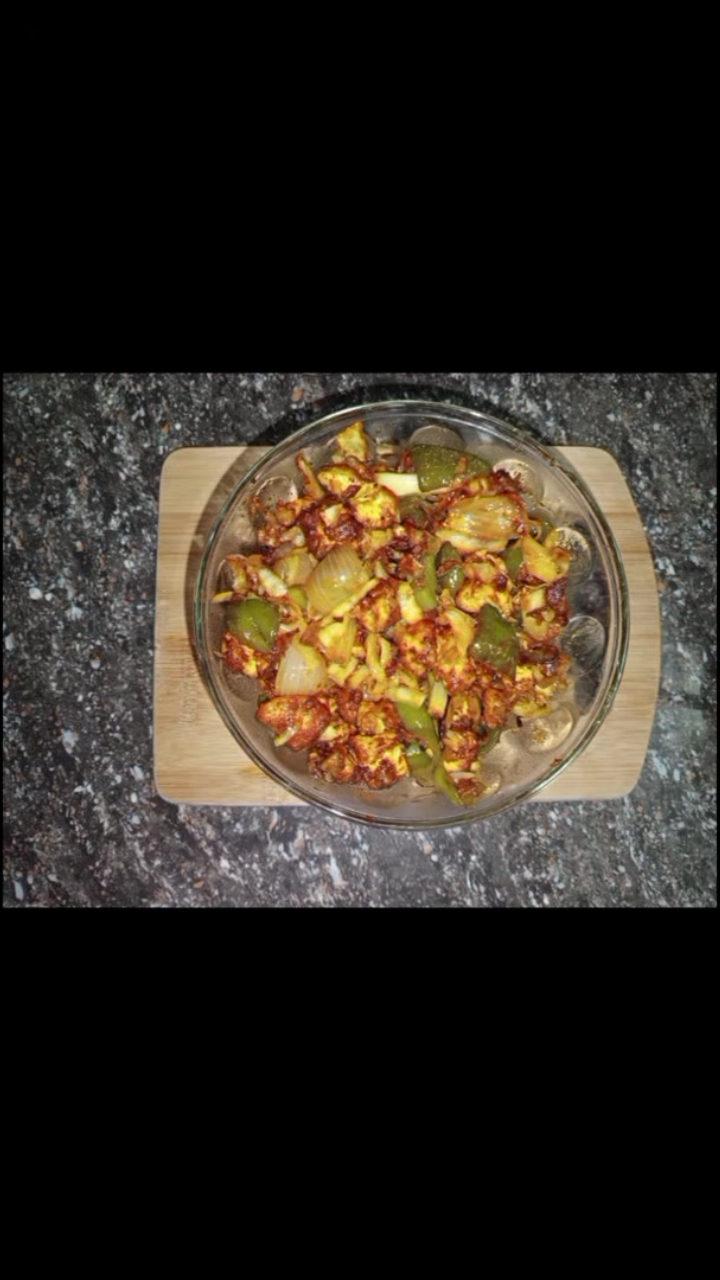
Chilli Paneer with Cabbage – Unique Indo-Chinese Style
Cuisine
Indian · Indo-Chinese
Prep + Cook Time
35 Minutes
Difficulty Level
Medium
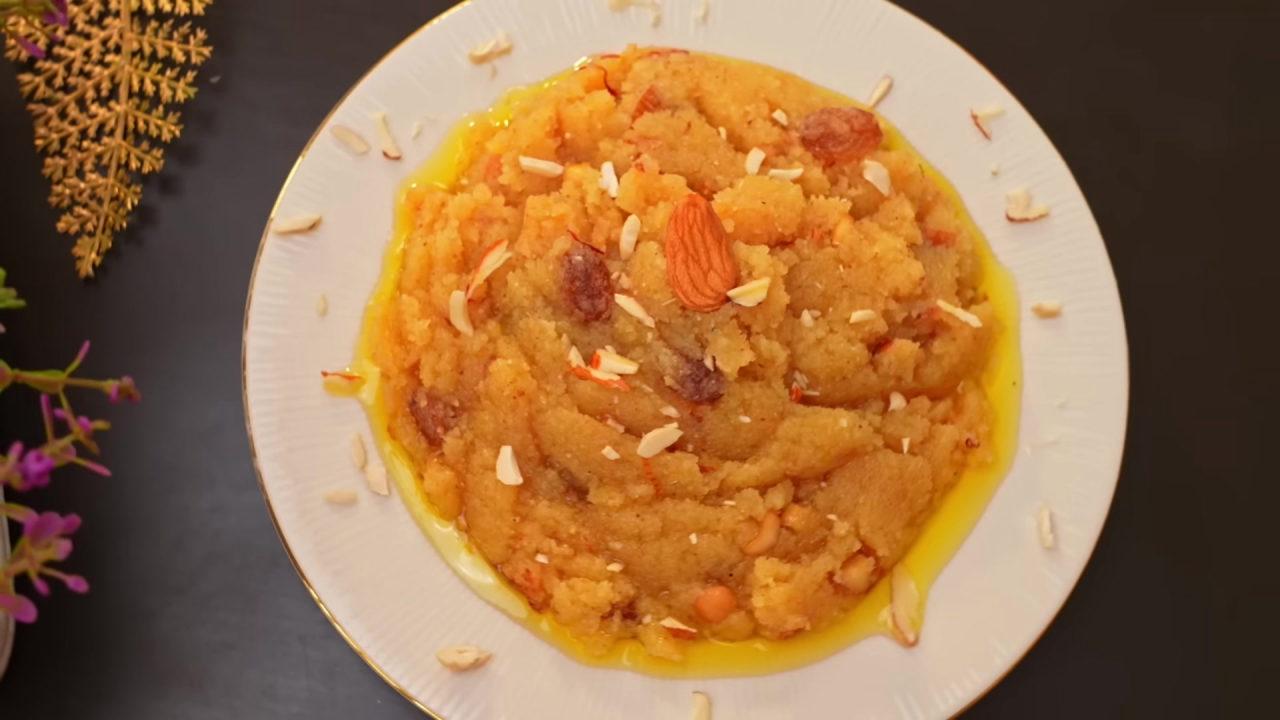
Perfect Sooji Halwa (Semolina Pudding)
Cuisine
Indian · North Indian
Prep + Cook Time
20 Minutes
Difficulty Level
Comments (0)
Sign in to leave a comment on this recipe.
Loading comments...