
Undhiyu - A Feast Cooked Underground
For Green Paste (Masala)
For Muthia (Fenugreek Dumplings)
Main Vegetables
Spices & Seasoning
Step-by-Step Instructions
Follow each step to make the recipe successfully.
Prepare Green Paste (Masala)
In a mortar and pestle, grind green chilies, fresh cilantro, shredded coconut, peeled garlic cloves, ginger, and curry leaves into a fine paste. Set aside.
Prepare Muthia (Fenugreek Dumplings)
In a bowl, combine whole wheat flour, chickpea flour, chopped fresh fenugreek leaves, red chili powder, turmeric powder, and salt. Add 2 tablespoons of oil and enough water to into a firm dough. Form the dough into small, bite-sized dumplings (Muthia).
Stuff Vegetables
Make slits in the small eggplants and small potatoes, ensuring not to cut all the way through. Carefully stuff each eggplant and potato with the prepared green paste.
Prepare the Cooking Pit
Dig a circular pit in the ground, approximately 1.5-2 feet deep and wide enough to comfortably fit the clay pot.
Assemble the Undhiyu Pot
In a large clay pot, spread a layer of rice at the bottom. Arrange the stuffed eggplants, stuffed potatoes, and muthia evenly over the rice. Add the remaining main vegetables: cubed sweet potatoes, green beans, green peas, cubed pumpkin, broccoli florets, chopped carrots, corn pieces, cubed purple yam, sliced lotus stem, and sliced raw bananas. Pour 1/2 cup of oil over the vegetables. Sprinkle cumin seeds, mustard seeds, sesame seeds, turmeric powder, red chili powder, coriander powder, garam masala, salt, star anise, cinnamon stick, and cloves. Add any remaining green paste and 1-2 cups of water.
Seal and Bury the Pot
Cover the mouth of the clay pot with a clean cotton cloth, then place the lid on top. Secure the lid and cloth tightly with a rope. Carefully lower the sealed pot into the prepared pit. Cover the pot completely with the excavated soil, ensuring no gaps.
Begin Underground Cooking
Build a bonfire directly over the buried pot using logs. Maintain a consistent fire for approximately . The escaping from the pot indicates the cooking process. The long, slow cooking allows the vegetables to become tender and absorb all the rich flavors.
Uncover and Serve
After of cooking, carefully extinguish the fire and remove the soil from around the pot. Lift the hot pot from the pit. Untie the rope and remove the lid and cloth. The Undhiyu should be perfectly cooked, tender, and aromatic. Serve the hot Undhiyu in individual plates, garnished with fresh cilantro and a squeeze of lemon. Enjoy this traditional feast with puri or roti.
Before You Cook
Helpful details before you startIngredient SubstitutionsMissing something? View suitable alternatives.View 4 swaps
No Cilantro?
- Flat-leaf parsley (1:1, milder)
- Fresh mint (in chutneys, salads)
No Garlic (fresh)?
- 1/4 tsp garlic powder (per clove)
- 1/2 tsp garlic granules (per clove)
No Curry leaves?
- 1 bay leaf + a pinch of lemon zest — Aroma only — flavor is unique.
No Garam masala?
- 1 tsp cumin + 1/2 tsp coriander + 1/4 tsp cinnamon + 1/4 tsp cardamom
Variations
Simple ways to adapt this recipe.
- Different combinations of winter vegetables
Different combinations of winter vegetables can be used based on availability and preference.
- Some variations include adding small
Some variations include adding small pieces of raw banana or yam for additional texture and flavor.
Helpful Tips
Small details that can improve the final result.
You might also like
Other recipes in the same cuisine, meal type, or style — ready to cook whenever you are.
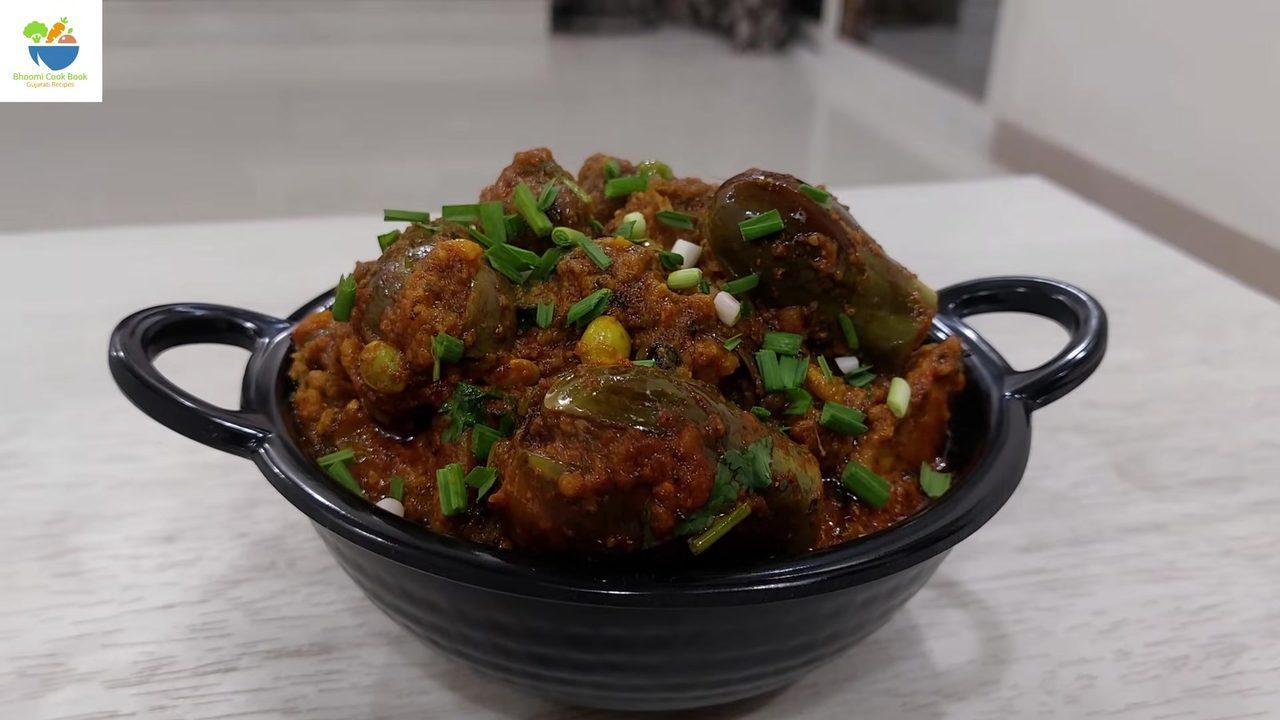
Gujarati Undhiyu - Quick Pressure Cooker Recipe
Cuisine
Indian · Gujarati
Prep + Cook Time
1 hr
Difficulty Level
Medium
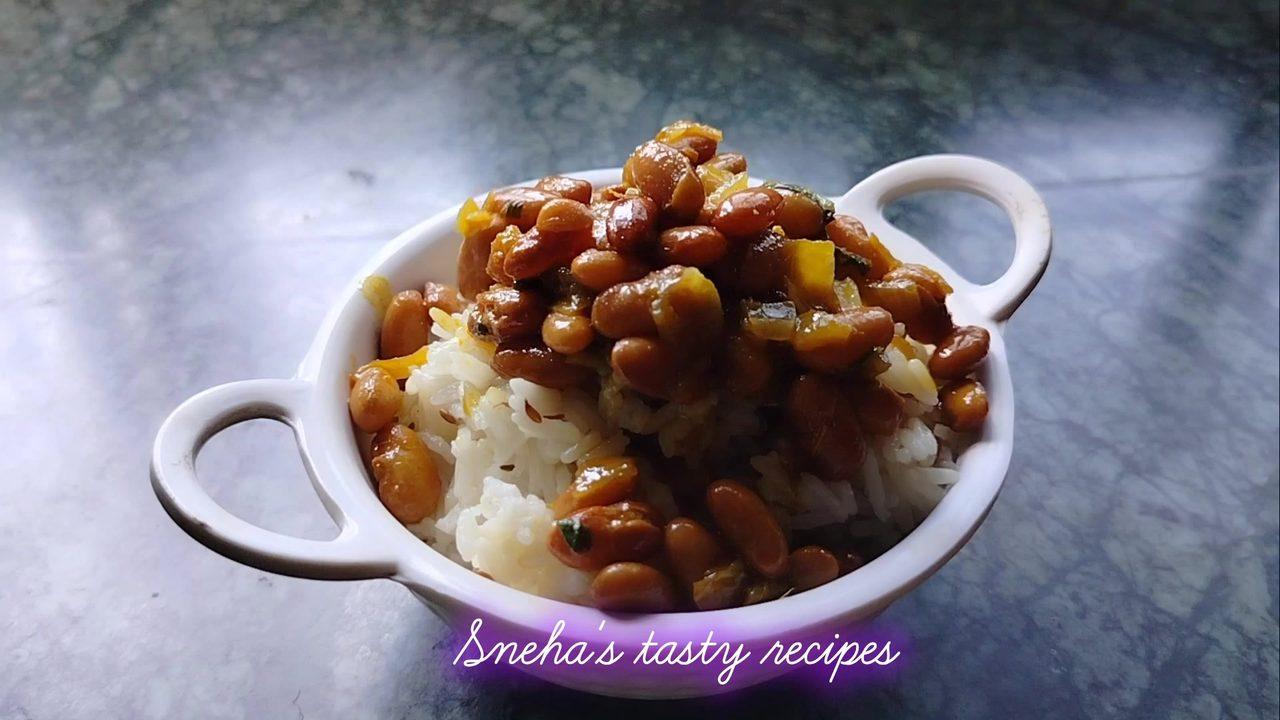
Rajma Chawal (Kidney Beans Curry with Cumin Rice)
Cuisine
Indian · North Indian
Prep + Cook Time
1 hr 15 min
Difficulty Level
Medium
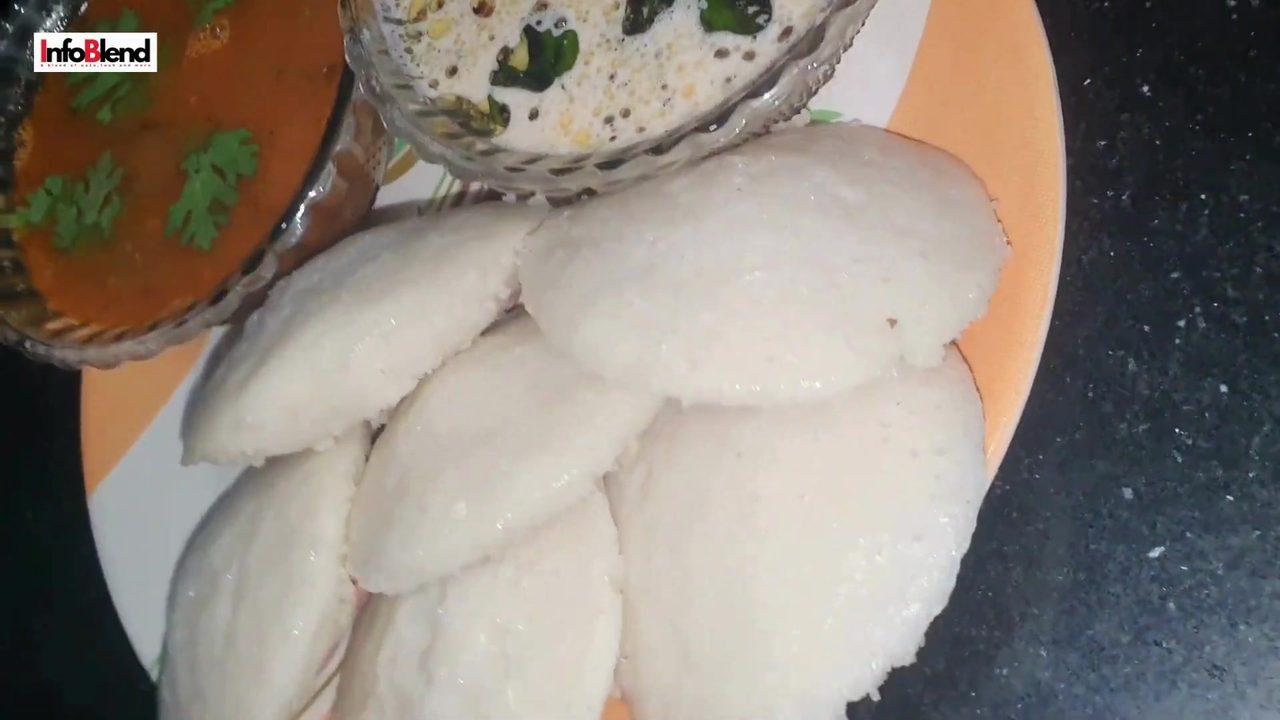
Idli Dosa Batter Recipe - Soft Idli & Crispy Dosa
Cuisine
Indian · South Indian
Prep + Cook Time
20 hr 45 min
Difficulty Level
Medium
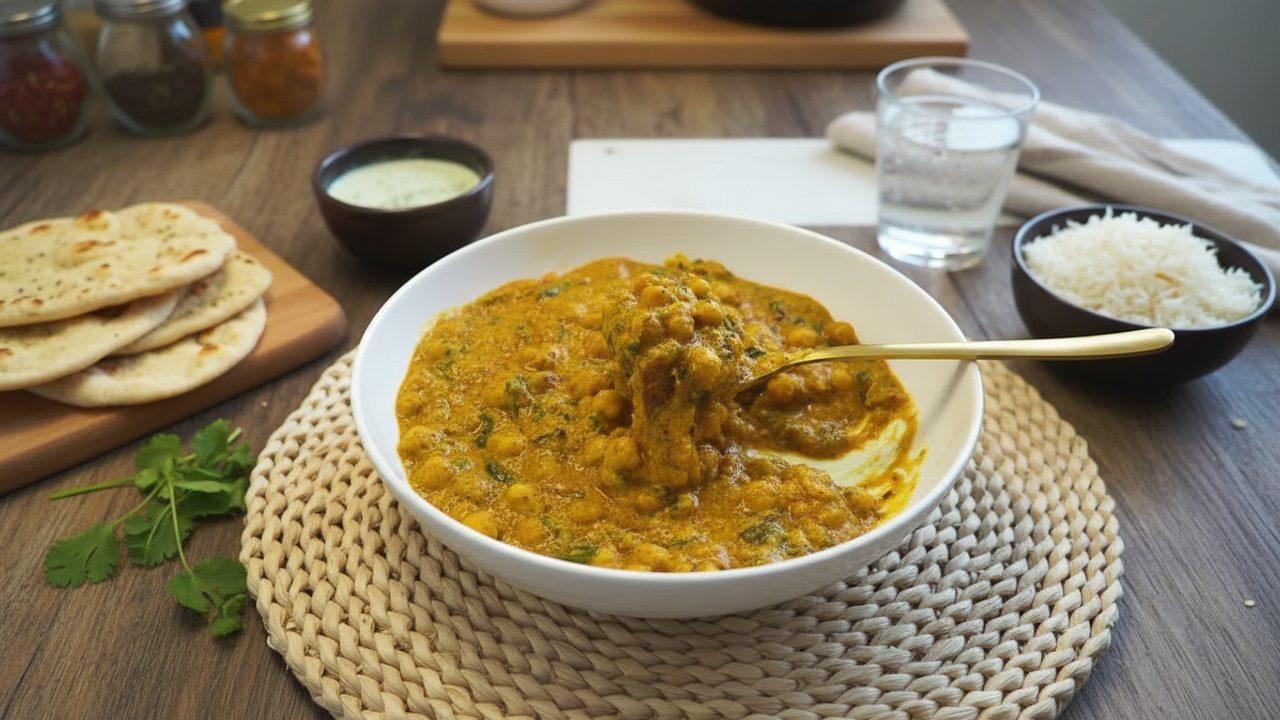
Channa Salna - Restaurant Style
Cuisine
Indian · South Indian
Prep + Cook Time
45 Minutes
Difficulty Level
Easy
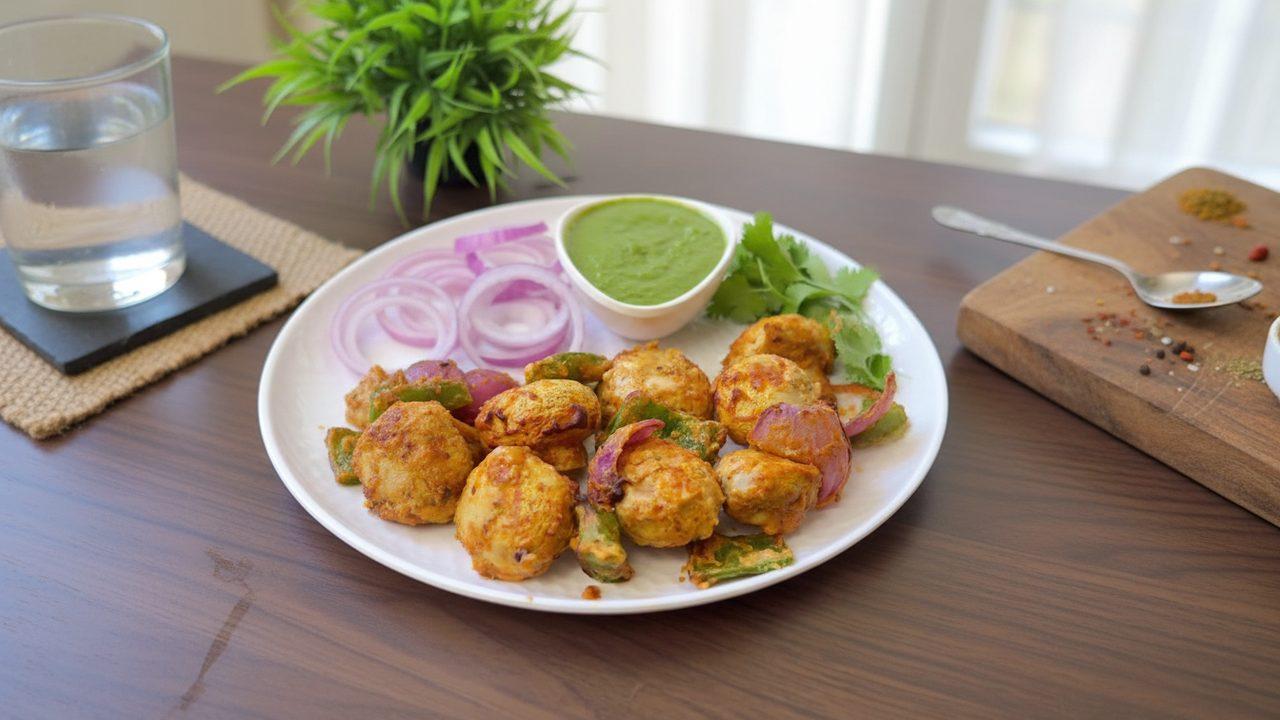
Mushroom Tikka – Air-fried
Cuisine
Indian · North Indian
Prep + Cook Time
50 Minutes
Difficulty Level
Easy
Kerala Style Red Pumpkin Kootu
Cuisine
Indian · South Indian
Prep + Cook Time
55 Minutes
Difficulty Level
Comments (0)
Sign in to leave a comment on this recipe.
Loading comments...