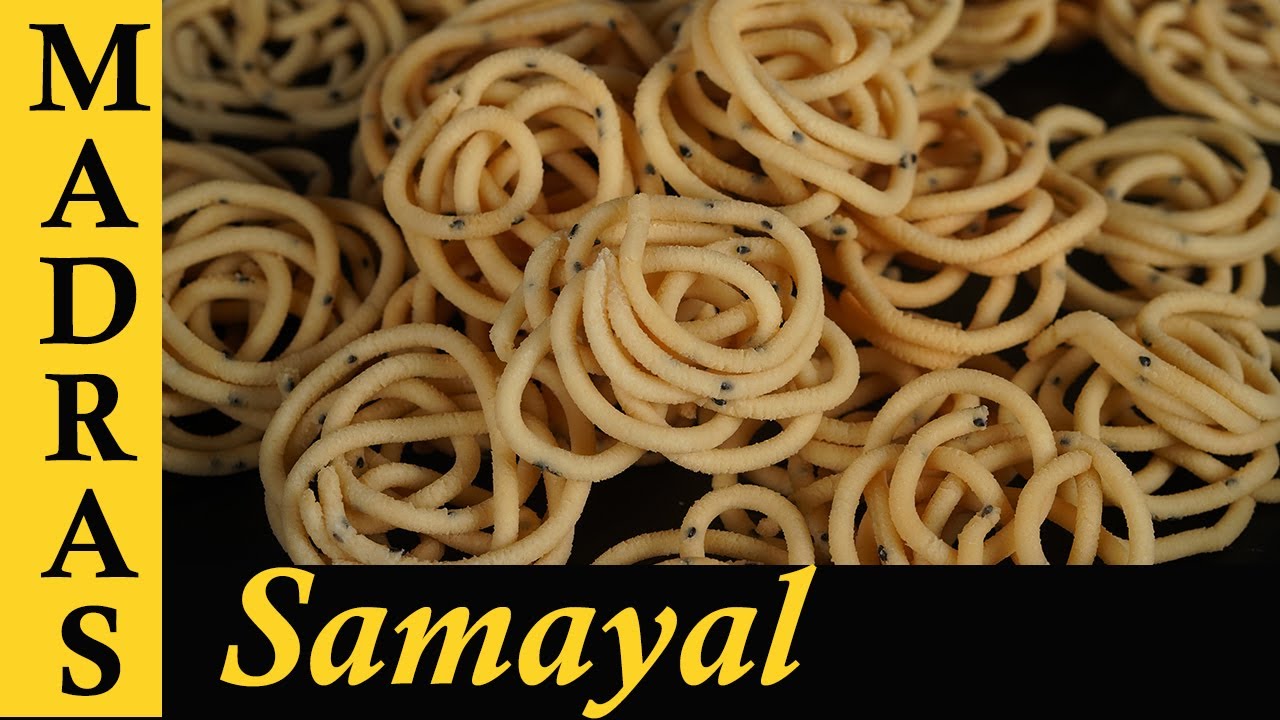
Thenkulal Murukku – Madras Samayal Style
For Dal Powder
For Murukku Dough
For Coconut Milk (Optional)
For Frying
Step-by-Step Instructions
Follow each step to make the recipe successfully.
Roast Dals
Dry roast 1/2 cup (100g) whole urad dal in a pan over low heat. Stir continuously for about until it becomes fragrant and warm to the touch, ensuring the color does not change.
Combine with Roasted Channa Dal
Turn off the stove. Add 1/4 cup roasted channa dal to the warm urad dal in the pan. Mix them together once, allowing the residual heat to warm the channa dal slightly.
Grind Dals into Fine Powder
Transfer the roasted dals to a mixer jar and allow them to cool completely. Grind them into a very fine powder. The powder should be as smooth as possible to ensure a good murukku texture.
Prepare Flour Mixture
In a large mixing bowl, add 2.5 cups (375g) raw rice flour (preferably fine idiyappam flour). Sieve the finely ground dal powder into the rice flour to remove any coarse particles.
Add Flavorings to Flour
To the flour mixture, add 1.5 tbsp softened butter (or hot oil if preferred), 1.5 tsp black sesame seeds (or 1 tsp cumin seeds), 2 pinches of asafoetida, and 2 tsp of salt.
Mix Dry Ingredients Thoroughly
Mix all the dry ingredients thoroughly by hand. Rub the butter into the flour until it is well incorporated and the mixture resembles coarse crumbs. This step is crucial for achieving crispy murukku.
Prepare Coconut Milk (Optional)
If using coconut milk, blend 1 cup grated coconut with 1 cup water in a mixer until smooth. Strain this mixture through a fine-mesh sieve or cheesecloth to extract the first, thick coconut milk.
Extract Second Coconut Milk (Optional)
Return the strained coconut pulp to the mixer. Add 1/2 cup of water and blend again. Strain this mixture to extract the second, thinner coconut milk. Combine both extractions; you should have approximately 1.5 cups of coconut milk.
Knead the Dough
Gradually add the prepared coconut milk (or water) to the flour mixture, continuously. Continue adding liquid and until a soft, smooth, and pliable dough is formed. The dough should be soft enough to press easily but not sticky or too watery.
Prepare Murukku Press
Take a murukku press and fit it with a 3-hole disc. Lightly grease the inside of the press with oil. Fill the press with a portion of the prepared dough. Ensure to keep the remaining dough covered with a damp cloth to prevent it from drying out.
Heat Oil for Frying
Heat enough oil for deep frying in a wide pan over medium-high heat. To test the oil temperature, drop a tiny piece of dough into the oil; it should immediately sizzle and float to the surface, indicating the oil is ready.
Press and Fry Murukku
Carefully press the murukku dough directly into the hot oil, forming circular or spiral shapes. Fry 3-4 murukkus at a time, ensuring not to overcrowd the pan. Maintain a medium-low heat during frying; too low heat can make the murukku hard.
Cook Until Golden and Crispy
Fry the murukkus, turning occasionally, until the bubbling subsides significantly and they turn a beautiful golden brown color. This indicates they are cooked through and crispy.
Remove and Serve
Using a slotted spoon, remove the fried murukkus from the oil and place them on a paper towel-lined plate to drain any excess oil. Repeat the process with the remaining dough. Once cooled, store the crispy Thenkulal Murukku in an airtight container and serve as a delicious snack.
Before You Cook
Helpful details before you startIngredient SubstitutionsMissing something? View suitable alternatives.View 2 swaps
No Butter?
- 3/4 the amount of olive oil (for cooking, not baking)
- Equal parts ghee — Slightly nuttier flavor.
- Equal parts coconut oil (in baking)
No Asafoetida (hing)?
- 1/4 tsp garlic powder + 1/4 tsp onion powder
Storage & Leftovers
Keep your leftovers fresh and ready to enjoy.
- Store
Once cooled, store the crispy Thenkulal Murukku in an airtight container and serve as a delicious snack.
Variations
Simple ways to adapt this recipe.
- You can use hot oilIngredient swap
You can use hot oil instead of butter for the dough.
- Cumin seeds can be usedIngredient swap
Cumin seeds can be used as an alternative to sesame seeds for a different flavor profile.
- Water can be used for
Water can be used for kneading the dough if coconut milk is not preferred or available.
Helpful Tips
Small details that can improve the final result.
More from Madras Samayal
Other recipes converted from Madras Samayal's cooking videos.
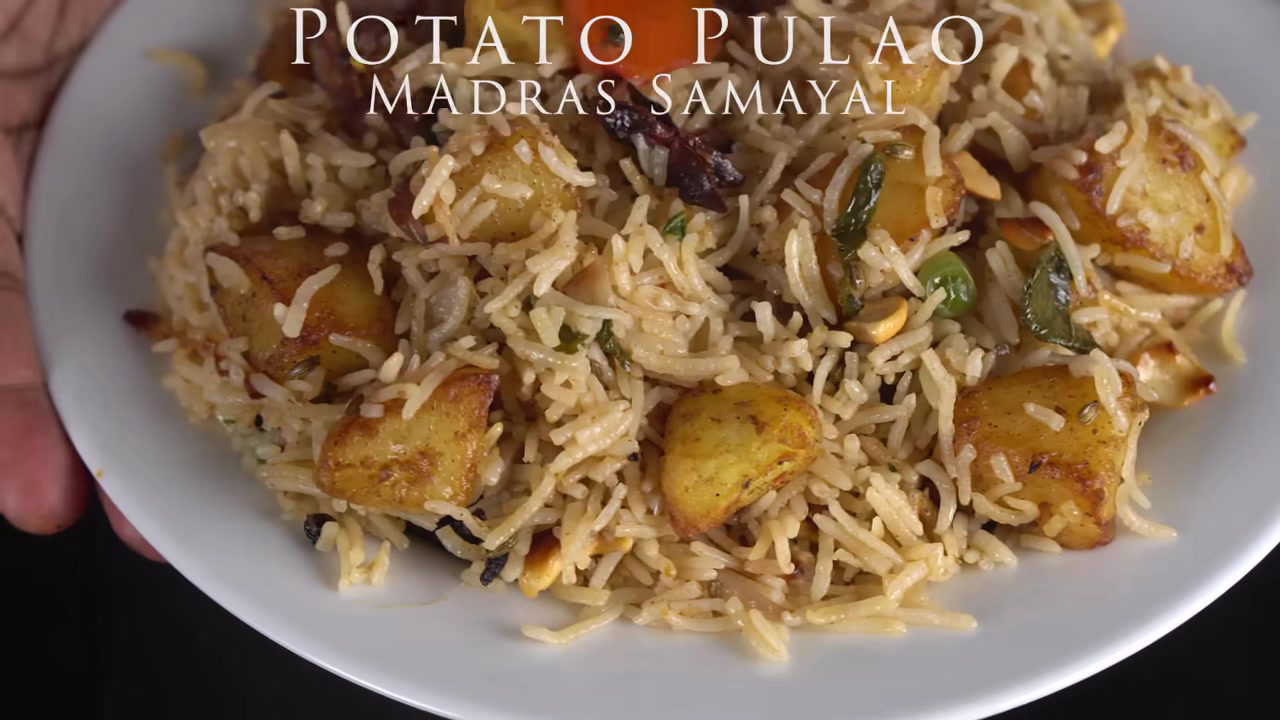
Potato Pulao – Madras Samayal Style
Cuisine
Indian · South Indian
Prep + Cook Time
1 hr
Difficulty Level
Medium
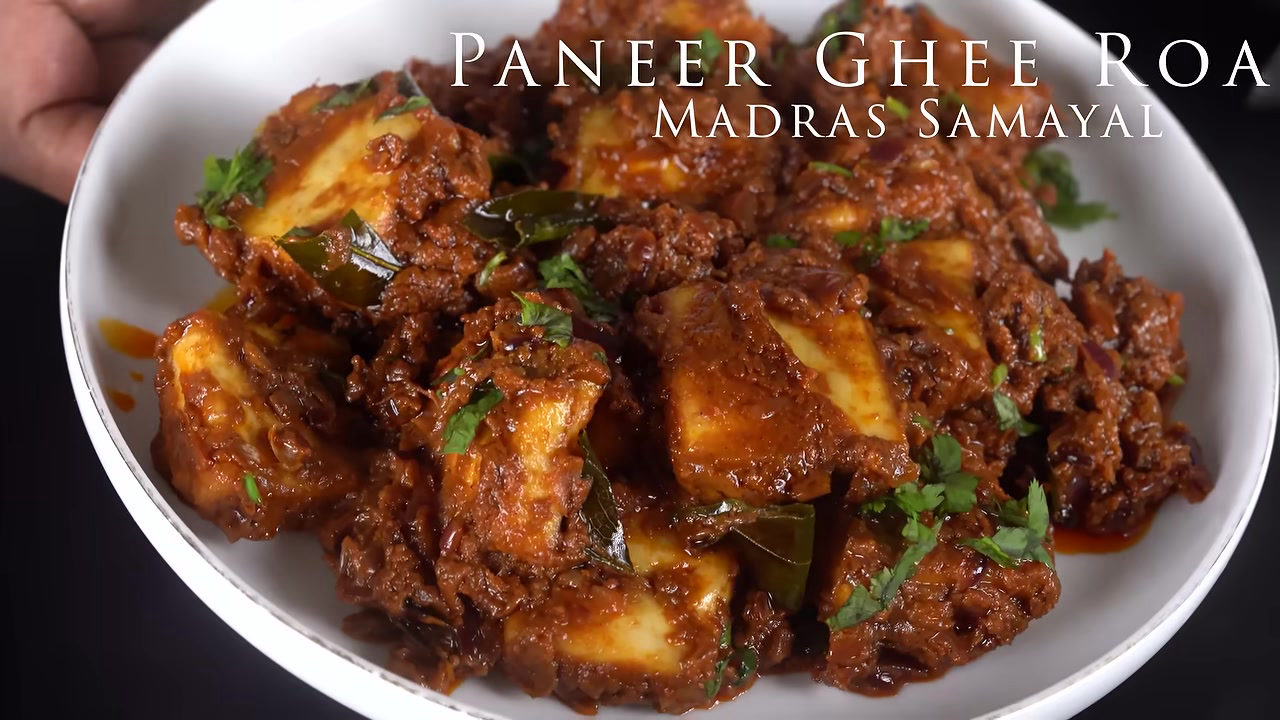
Paneer Ghee Roast - Madras Samayal
Cuisine
Indian · South Indian
Prep + Cook Time
30 Minutes
Difficulty Level
Medium

Potato Pulao – Madras Samayal
Cuisine
Indian · South Indian
Prep + Cook Time
45 Minutes
Difficulty Level
Medium

Medu Vadai - South Indian Style
Cuisine
Indian · South Indian
Prep + Cook Time
45 Minutes
Difficulty Level
Medium

Ulunthu Bonda – Madras Samayal
Cuisine
Indian · South Indian
Prep + Cook Time
35 Minutes
Difficulty Level
Easy
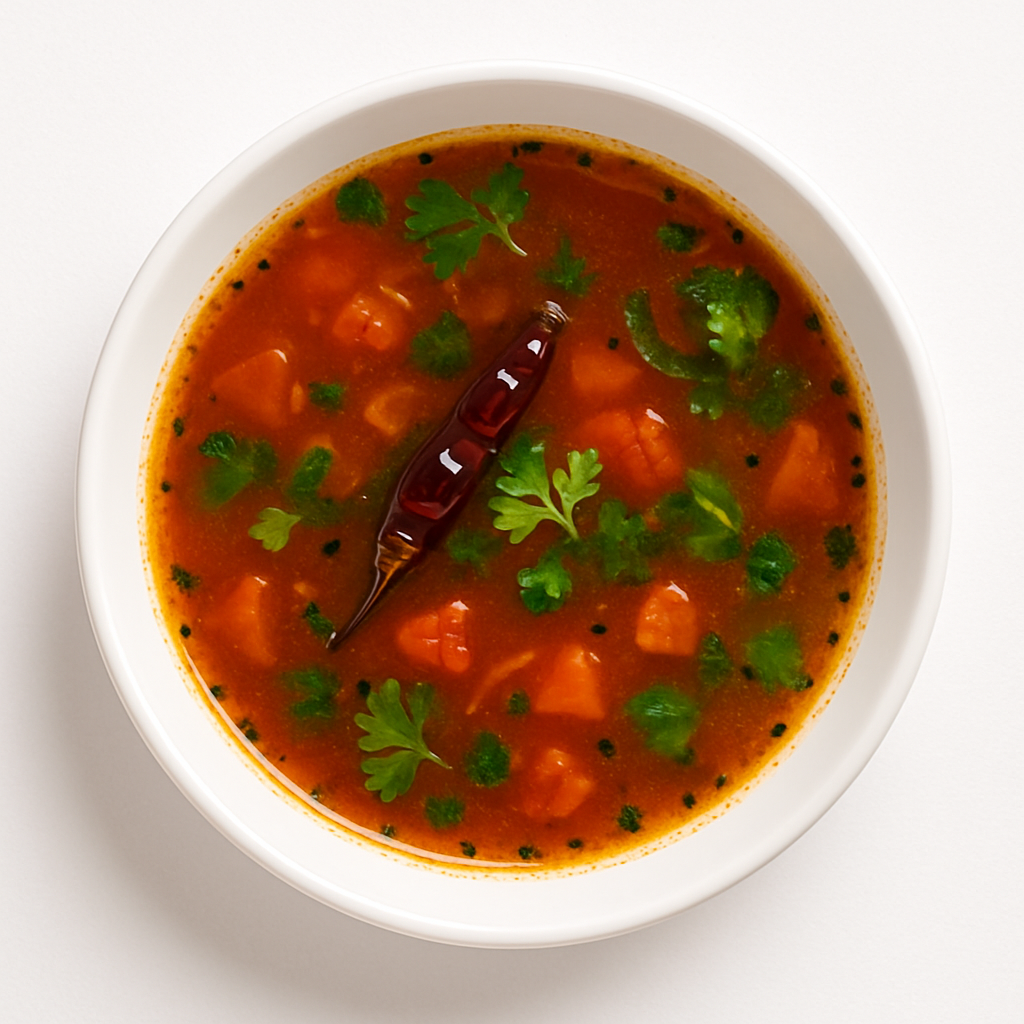
Tomato Rasam – Tamil Style
Cuisine
Indian · South Indian
Prep + Cook Time
30 Minutes
Difficulty Level
Easy
You might also like
Other recipes in the same cuisine, meal type, or style — ready to cook whenever you are.

Authentic Vada Pav - Mumbai Street Food Style
Cuisine
Indian · Maharashtrian Street Food
Prep + Cook Time
1 hr 45 min
Difficulty Level
Medium
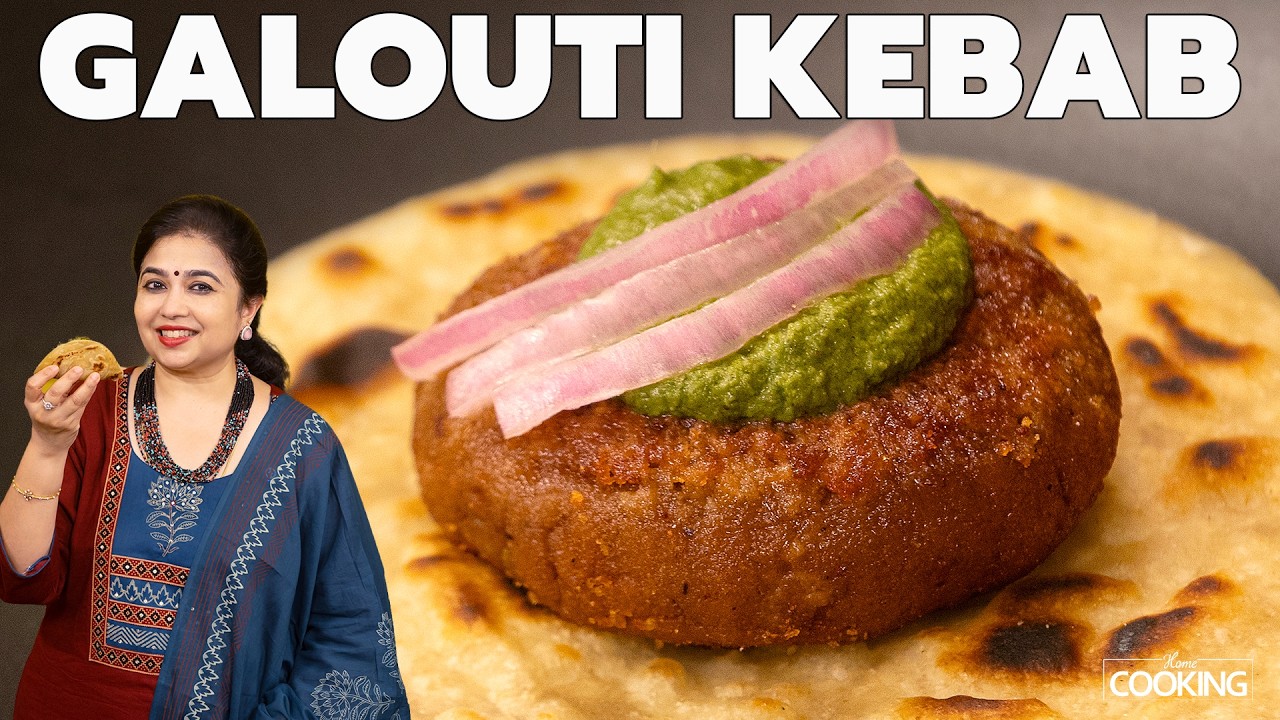
Mushroom Galouti Kebab Recipe
Cuisine
Indian · North Indian
Prep + Cook Time
50 Minutes
Difficulty Level
Medium
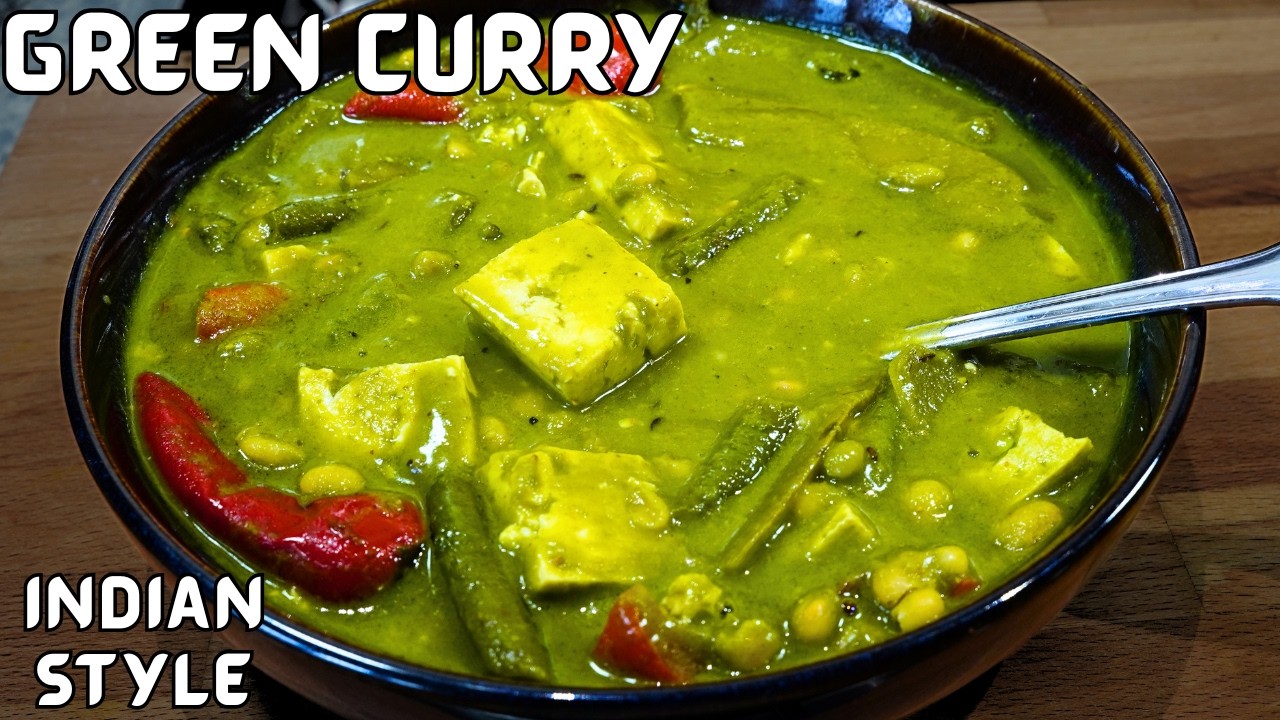
Creamy Green Curry with White Beans and Tofu
Cuisine
Indian
Prep + Cook Time
35 Minutes
Difficulty Level
Easy

Aloo Matar - Indian Potato and Peas Curry
Cuisine
Indian · North Indian
Prep + Cook Time
50 Minutes
Difficulty Level
Easy
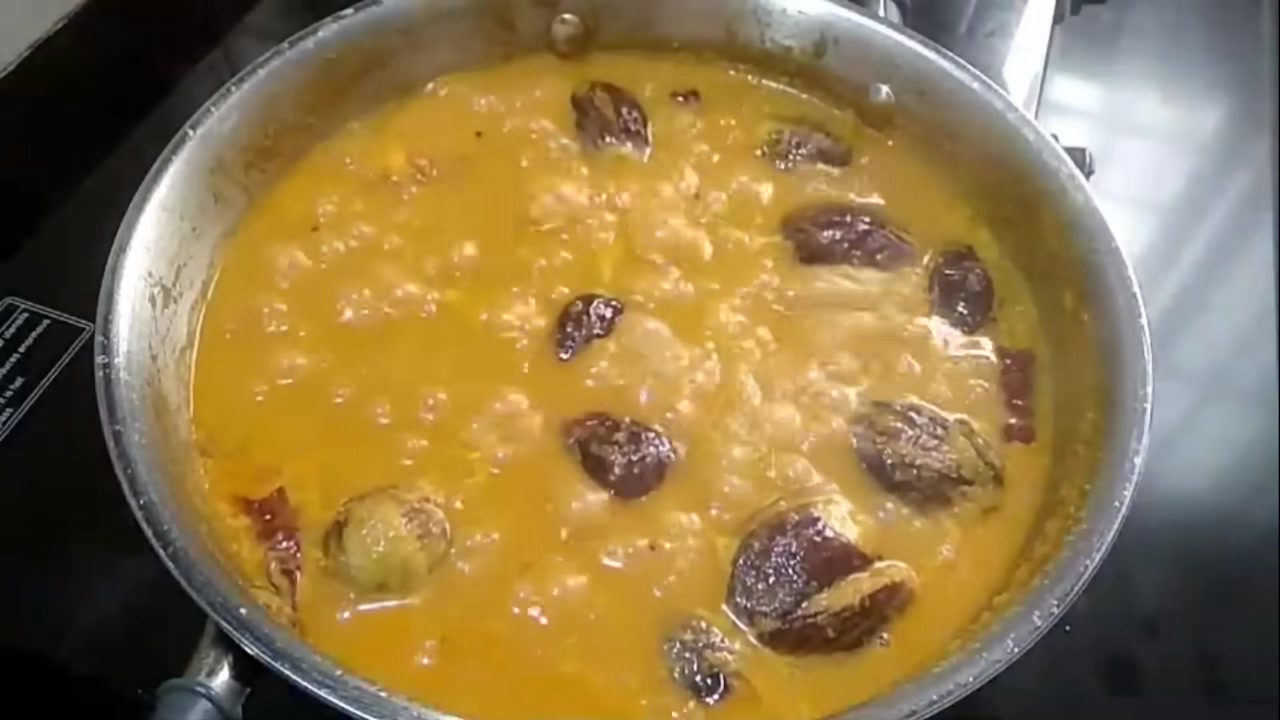
Ennai Kathirikai Kulambu (Oil Brinjal Curry)
Cuisine
Indian · South Indian
Prep + Cook Time
45 Minutes
Difficulty Level
Medium
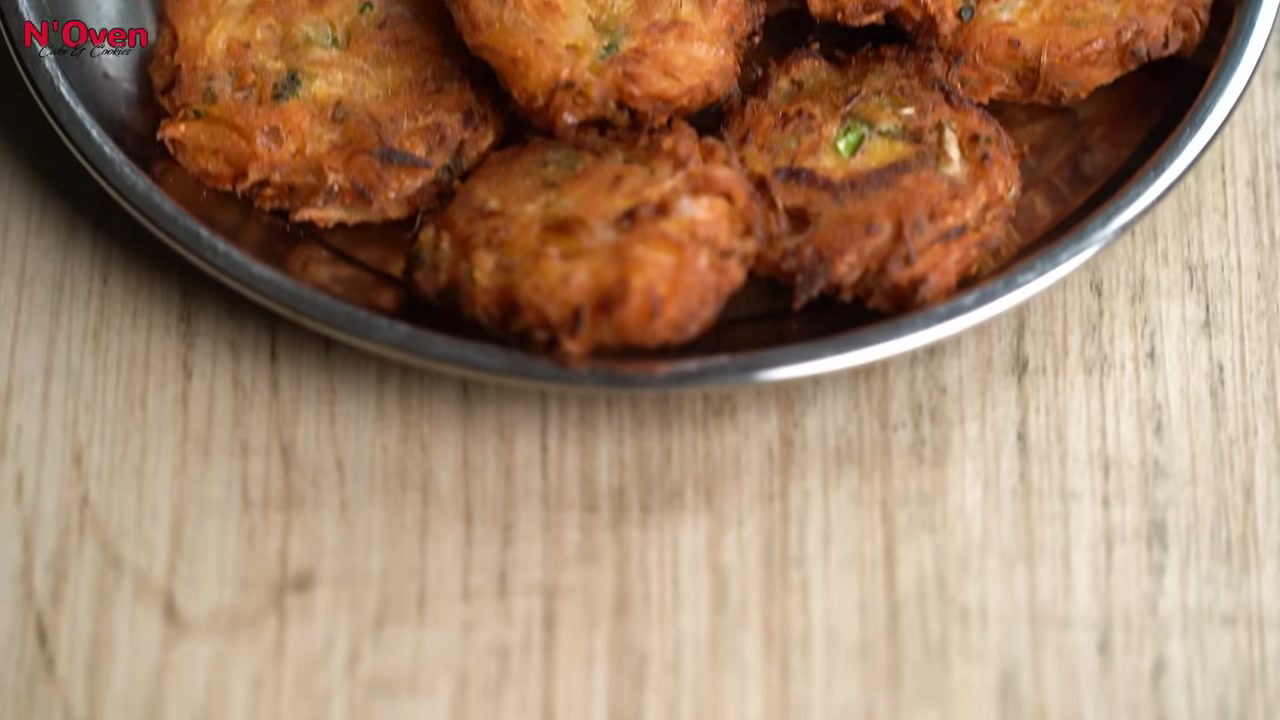
Onion Fritters (Pakoda) – Indian Style
Cuisine
Indian
Prep + Cook Time
30 Minutes
Difficulty Level
Comments (0)
Sign in to leave a comment on this recipe.
Loading comments...