
साखरेचे अनरसे (Sugar Anarse) - Perfect Jali Anarse Recipe
Main Ingredients
For Frying
Step-by-Step Instructions
Follow each step to make the recipe successfully.
Wash and Soak Rice
Take 2 bowls of rice (Kali Much or Sugandhi Chunner). Wash the rice thoroughly 2-3 times with water. Then, soak the rice in fresh water for 3 days and 3 nights. Remember to change the water daily to prevent any odor.
Drain and Partially Dry Rice
After 3 days and 3 nights, drain the soaked rice in a sieve for to remove excess water. Then, spread the rice on a clean cotton cloth. Let it dry just enough to remove the surface moisture; do not over-dry it. You can gently pat it with another cotton towel to absorb moisture.
Grind Rice and Sugar
Grind the partially dried rice in a mixer until it becomes as fine as possible. Separately, grind 2 bowls of sugar (equal to the rice quantity) into a fine powder in the mixer.
Sieve Flour and Sugar
Sieve the powdered sugar through a fine mesh sieve (like a maida sieve) to remove any coarse particles. Discard the coarse sugar. Then, sieve the ground rice flour through the same fine mesh sieve. The coarse rice particles left in the sieve can be used for other dishes like idli.
Mix Dough and Add Ghee
Combine the sieved rice flour and powdered sugar in a large bowl. Mix them thoroughly by hand until well combined. Add 2 teaspoons of melted ghee to the mixture and mix again by hand until the ghee is evenly distributed and the mixture can form a ball when pressed.
Form and Rest Dough Balls
Divide the prepared dough into 3 equal portions and form them into smooth balls. Store these dough balls in an airtight steel or plastic container for at least 3-4 days at room temperature. This resting period helps the dough to ferment and develop flavor and texture.
Prepare Dough for Shaping
After the resting period (on the 4th day or later), take one dough ball. it very well by hand until it becomes smooth and pliable. Due to the sugar, the dough will release some moisture, so no additional milk or banana is needed.
Shape the Anarse
Apply a little oil or ghee to your hands. Take a small portion of the dough and roll it into a smooth, crack-free ball. Flatten it slightly with your fingers, ensuring the center remains a bit thicker than the edges. Make a small hole in the center of the flattened anarse.
Coat with Poppy Seeds
Spread poppy seeds (khaskhas) evenly on a plate. Place the shaped anarse onto the poppy seeds with the top side (the side without the hole) facing down. Gently press the anarse to coat one side with poppy seeds. This will be the side that faces up during frying.
Heat Oil for Frying
Heat cooking oil in a pan over a low flame. To check if the oil is at the correct temperature, drop a tiny piece of dough into it. The dough should slowly rise to the surface with small bubbles. Do not let the oil get too hot or too cold.
Fry the Anarse
Carefully place the shaped anarse into the medium-hot oil with the poppy seed-coated side facing up. Fry on a low flame. Do not touch the anarse immediately. Once it floats to the surface, gently spoon hot oil over the top of the anarse. This helps it to puff up and create the characteristic net-like texture. Continue frying until it reaches your desired color (white or golden brown).
Drain Excess Oil
Once fried, remove the anarse from the oil using a slotted spoon and place it on a wire rack to drain any excess oil. Repeat the process for the remaining dough.
Before You Cook
Helpful details before you startIngredient SubstitutionsMissing something? View suitable alternatives.View 1 swap
No Ghee?
- Unsalted butter (1:1)
- Neutral oil (1:1, lacks the toasted note)
Plan Ahead
Complete this step earlier to save time later.
- View Step 6Form and Rest Dough Balls
Divide the prepared dough into 3 equal portions and form them into smooth balls. Store these dough balls in an airtight steel or plastic container for at least 3-4 days at room temperature. This resting period helps the dough to ferment and develop flavor and texture.
Storage & Leftovers
Keep your leftovers fresh and ready to enjoy.
- FreezeUp to 8 months
For longer storage (6-8 months), keep them in the freezer.
- Room TemperatureUp to 1 week
Store the dough balls in an airtight container for 3-4 days at room temperature (or up to 8 days for better results).
- Room TemperatureAt least 4 days
Store these dough balls in an airtight steel or plastic container for at least 3-4 days at room temperature.
Variations
Simple ways to adapt this recipe.
- For a more netCustomise
Like texture, add a little extra powdered sugar to the dough before shaping.
- You can use fine semolinaIngredient swap
You can use fine semolina or sugar instead of poppy seeds for coating if khaskhas is not available.
Helpful Tips
Small details that can improve the final result.
You might also like
Other recipes in the same cuisine, meal type, or style — ready to cook whenever you are.

Mango Laddu – Jiya's Kitchen
Cuisine
Indian · North Indian
Prep + Cook Time
30 Minutes
Difficulty Level
Easy
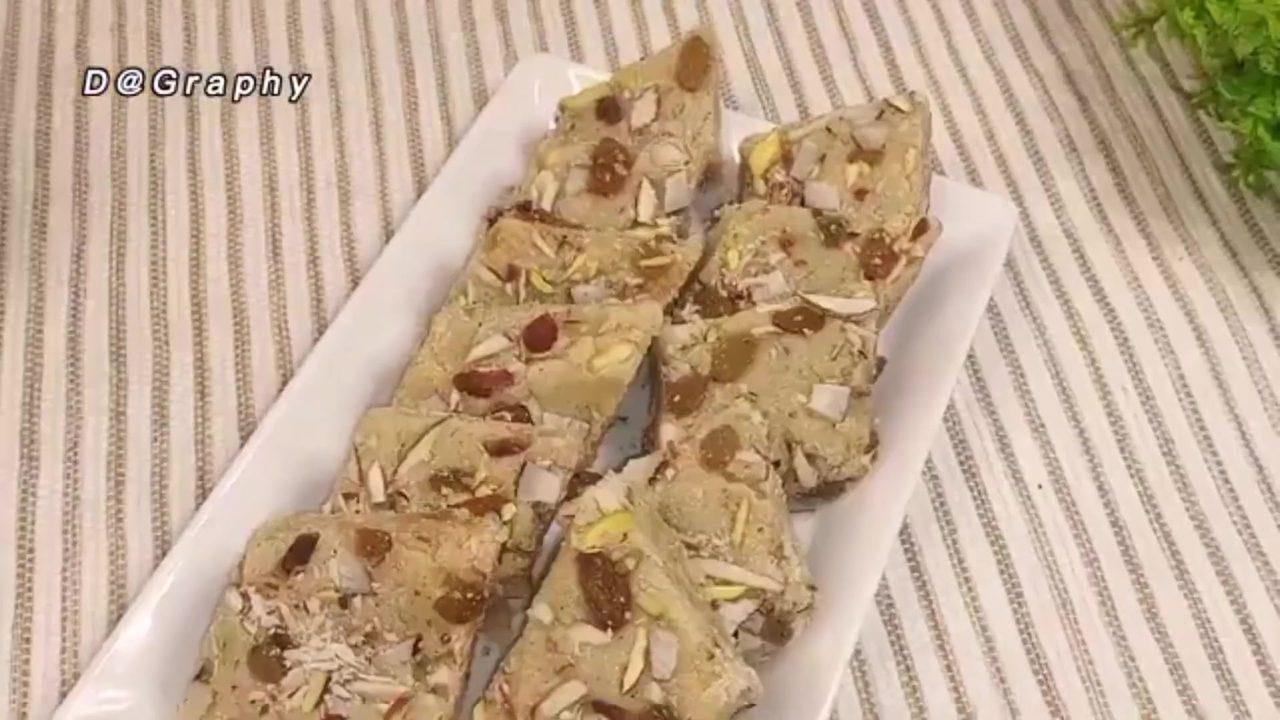
Suji ka Tukdi Halwa - Traditional
Cuisine
Indian · South Asian
Prep + Cook Time
40 Minutes
Difficulty Level
Easy
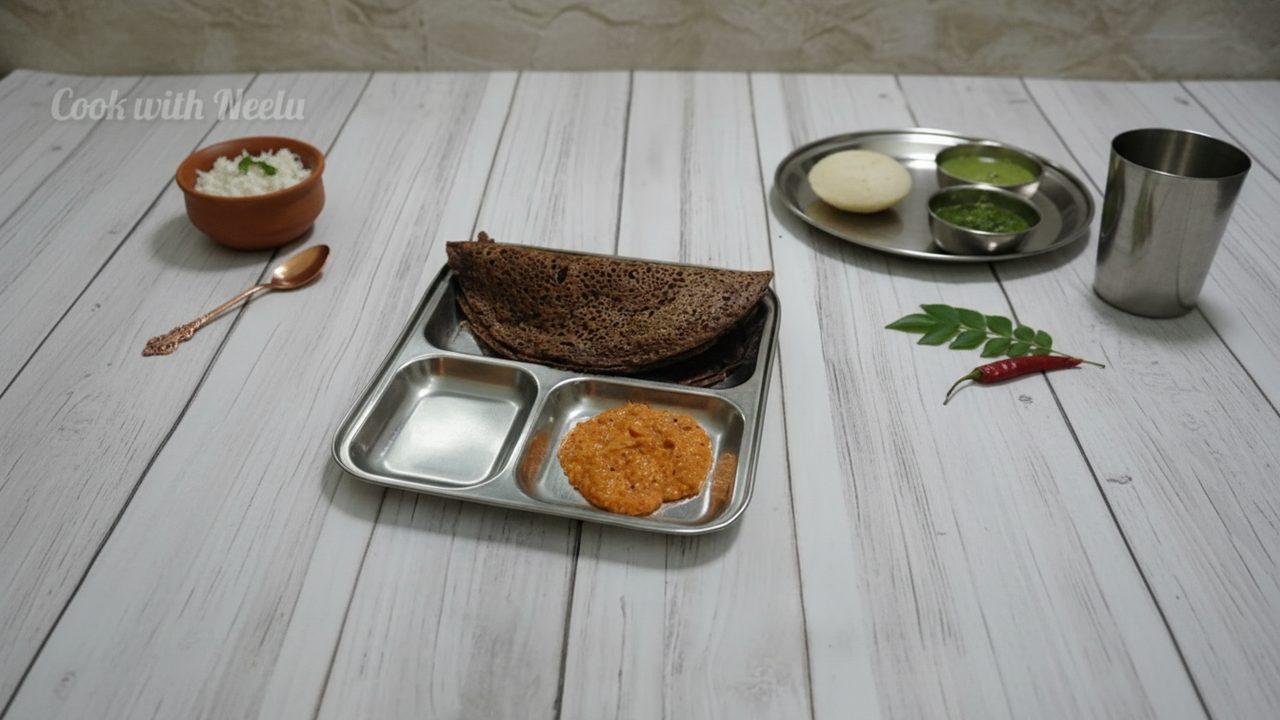
Ragi Dosa with Spicy Garlic Tomato Chutney
Cuisine
Indian · South Indian
Prep + Cook Time
40 Minutes
Difficulty Level
Easy
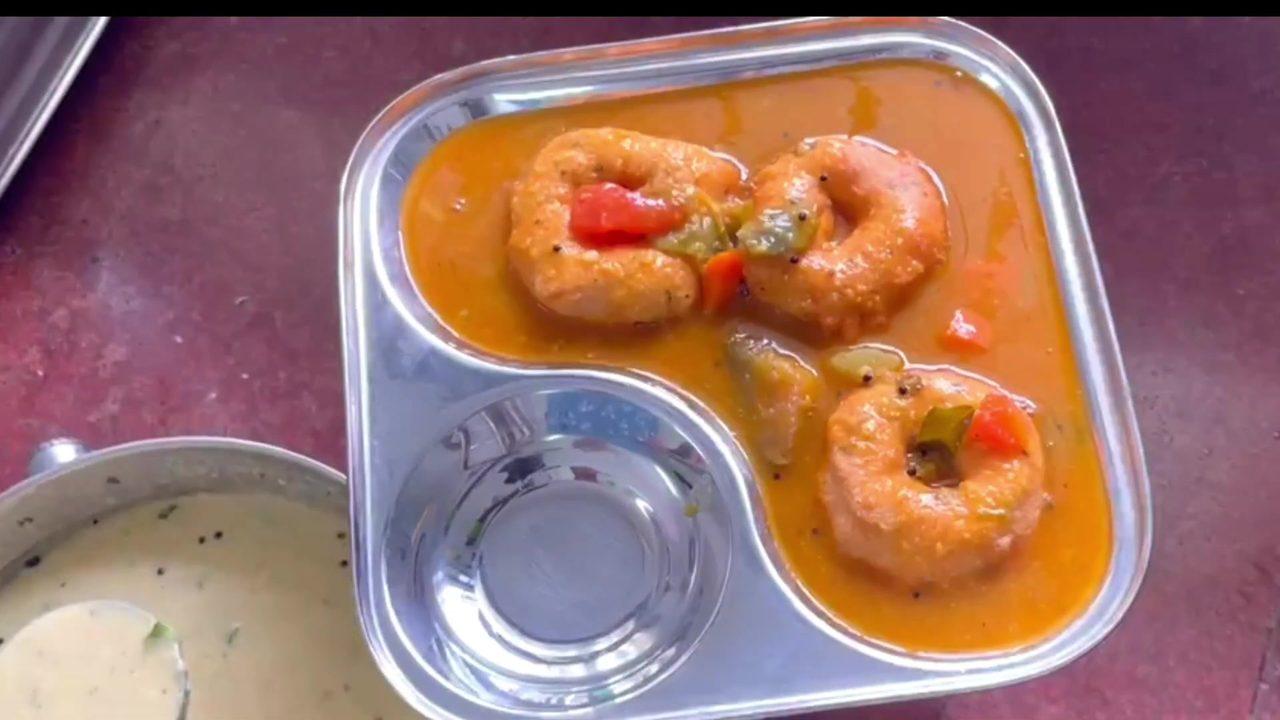
Restaurant Style Medu Vada Sambar Recipe
Cuisine
Indian · South Indian
Prep + Cook Time
1 hr 40 min
Difficulty Level
Medium

Chili Parotta Recipe – Foodworks
Cuisine
Indian · South Indian
Prep + Cook Time
35 Minutes
Difficulty Level
Medium
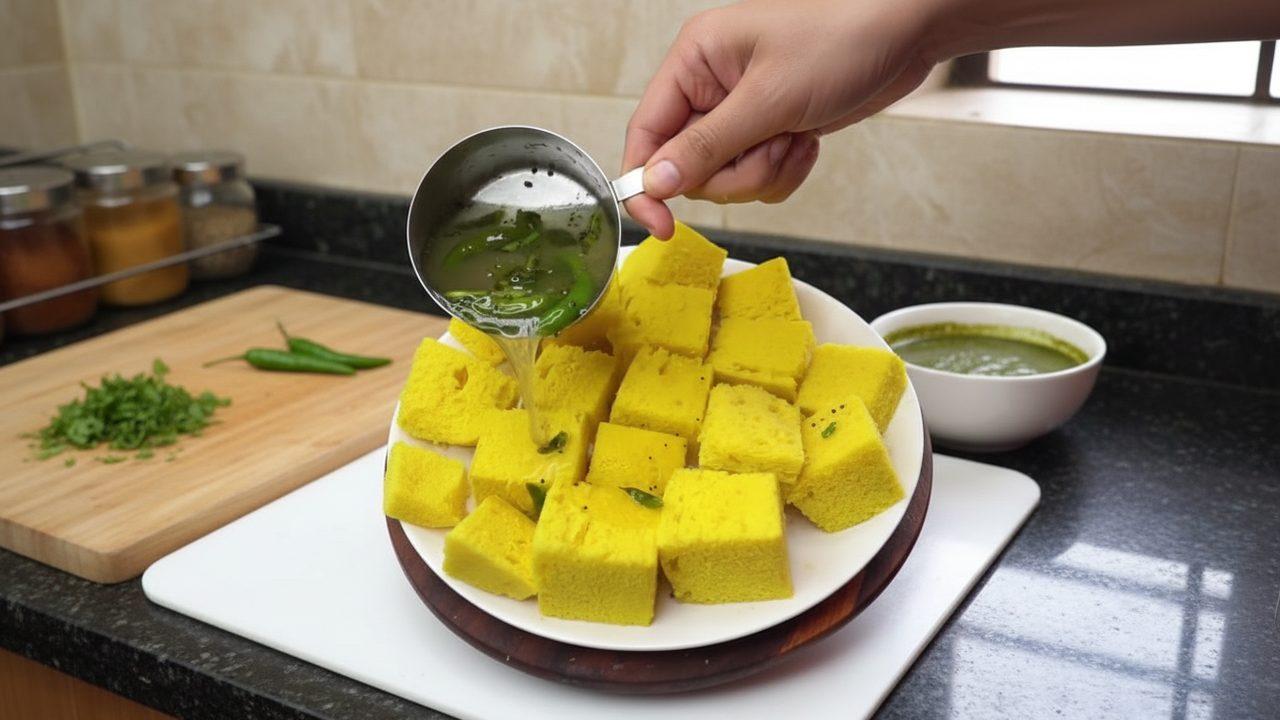
Khaman Dhokla – Indian Style
Cuisine
Indian · Gujarati
Prep + Cook Time
35 Minutes
Difficulty Level
Comments (0)
Sign in to leave a comment on this recipe.
Loading comments...