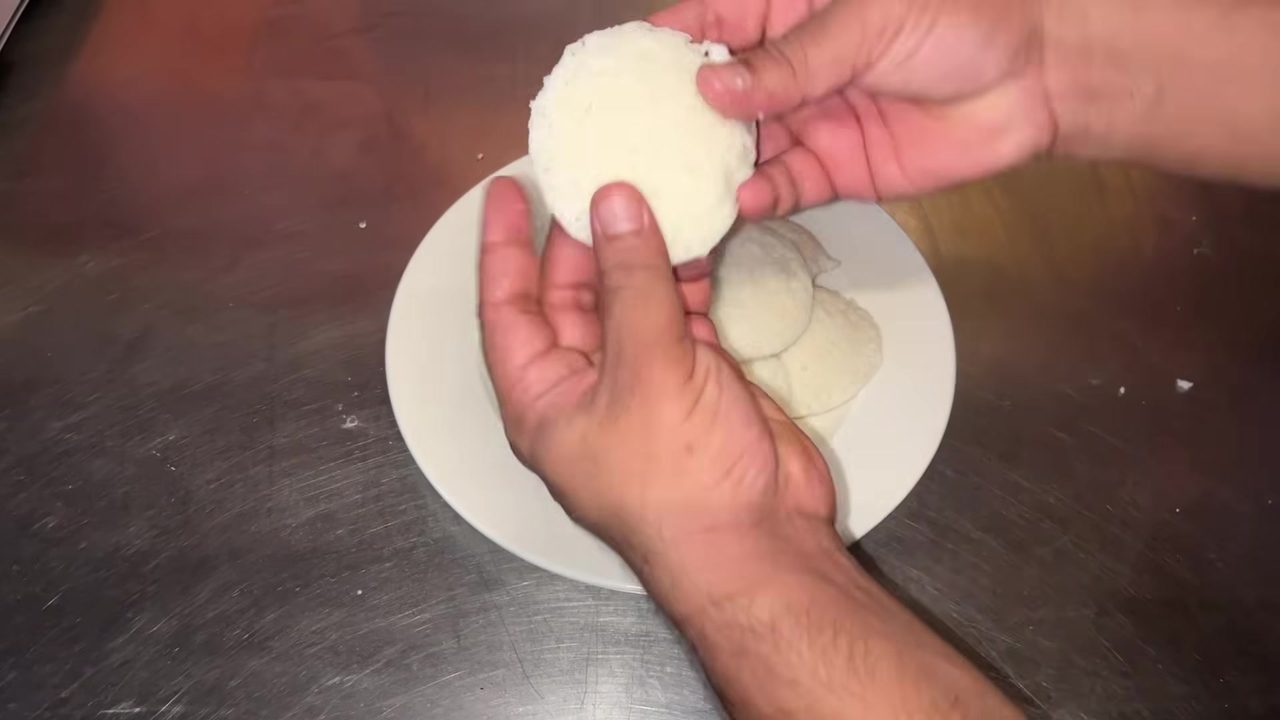
Soft Idli and Crispy Dosa from a Single Batter
For Main Batter
For Dosa Batter (Optional Additions)
Step-by-Step Instructions
Follow each step to make the recipe successfully.
Measure and Wash Rice and Dal
Measure 2 kg of idli rice and 600g of split urad dal. Wash both the dal and rice thoroughly under running water, rubbing them with your hands, for at least 3-4 times until the water runs clear. This removes impurities and excess starch.
Soak Rice and Dal
Place the washed dal and rice in separate containers. Add enough fresh water to each container to fully submerge them. Soak the dal and rice for . If time is short, of soaking can be sufficient.
Grind Dal
After soaking, drain the water from the dal. Transfer the soaked dal to a wet grinder. Add water gradually as needed and grind until it forms a very fine, fluffy, and smooth paste. The dal should be light and airy. Remove the ground dal from the grinder.
Grind Rice
Drain the water from the soaked rice. Transfer the soaked rice to the same wet grinder. Add water gradually and grind the rice until it has a coarse, semolina-like texture. It should not be a fine paste; a slight grainy texture is desired for idlis.
Mix Batter and Ferment
Combine the ground dal and rice in a large container. Add salt to taste. Mix the batter thoroughly with your hands until well combined. The consistency should be such that when you lift and drop a portion of batter, it doesn't immediately blend back into the main batter. If too thick, add a little water. Cover the container and let it ferment overnight () in a warm place until it doubles in volume and shows a web-like, airy structure.
Prepare Idli Trays and Steam Idlis
Take idli trays and line them with a wet, squeezed cotton cloth (marking cloth). Gently scoop the fermented batter onto the idli molds, being careful not to overmix the batter. Place the filled trays into a preheated idli steamer with boiling water. the idlis for until they are cooked through and spongy.
Remove Idlis
Once , carefully remove the idli trays from the steamer. Sprinkle a little water over the cloth to help release the idlis. Gently peel off the cloth and remove the idlis. They should be soft, spongy, and white.
Prepare Dosa Batter Variations
Take two separate bowls of the fermented batter for dosa. In the first bowl, mix 1 medium spoon of besan flour, 1 medium spoon of rice flour, and a pinch of sugar with a little water until smooth. Add this mixture to the first dosa batter and mix well. In the second bowl, mix only 1 medium spoon of besan flour and a pinch of sugar with a little water, then add it to the second dosa batter and mix well. These additions enhance crispiness and color for dosa.
Cook Dosas
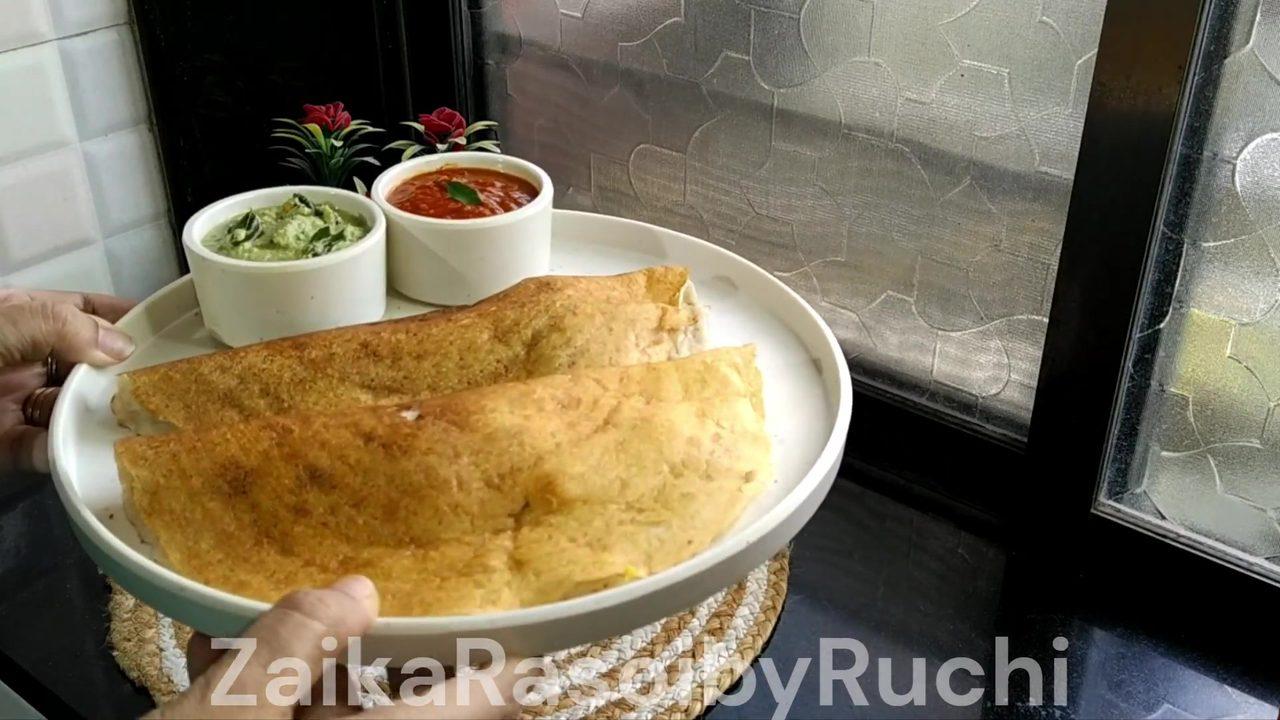
Heat a dosa griddle to a medium-high temperature. Pour a ladleful of the first dosa batter (with besan and rice flour) onto the griddle and spread it thinly in a circular motion. Repeat with the second dosa batter (with only besan flour) on another part of the griddle. Drizzle a little oil or ghee around the edges of each dosa. Cook until golden brown and crispy, then fold and remove from the griddle.
Plan Ahead
Complete this step earlier to save time later.
- View Step 5Mix Batter and Ferment7 hours or overnight
Combine the ground dal and rice in a large container. Add salt to taste. Mix the batter thoroughly with your hands until well combined. The consistency should be such that when you lift and drop a portion of batter, it doesn't immediately blend back into the main batter. If too thick, add a little water. Cover the container and let it ferment overnight (7-8 hours) in a warm place until it doubles in volume and shows a web-like, airy structure.
- View Step 6Prepare Idli Trays and Steam Idlis
Take idli trays and line them with a wet, squeezed cotton cloth (marking cloth). Gently scoop the fermented batter onto the idli molds, being careful not to overmix the batter. Place the filled trays into a preheated idli steamer with boiling water. Steam the idlis for 25-30 minutes until they are cooked through and spongy.
- View Step 8Prepare Dosa Batter Variations
Take two separate bowls of the fermented batter for dosa. In the first bowl, mix 1 medium spoon of besan flour, 1 medium spoon of rice flour, and a pinch of sugar with a little water until smooth. Add this mixture to the first dosa batter and mix well. In the second bowl, mix only 1 medium spoon of besan flour and a pinch of sugar with a little water, then add it to the second dosa batter and mix well. These additions enhance crispiness and color for dosa.
Variations
Simple ways to adapt this recipe.
- For extra crispy dosaCustomise
Increase the proportion of rice flour slightly.
- Experiment with different oils or
Experiment with different oils or ghee for dosa cooking to alter flavor.
Helpful Tips
Small details that can improve the final result.


Comments (0)
Sign in to leave a comment on this recipe.
Loading comments...