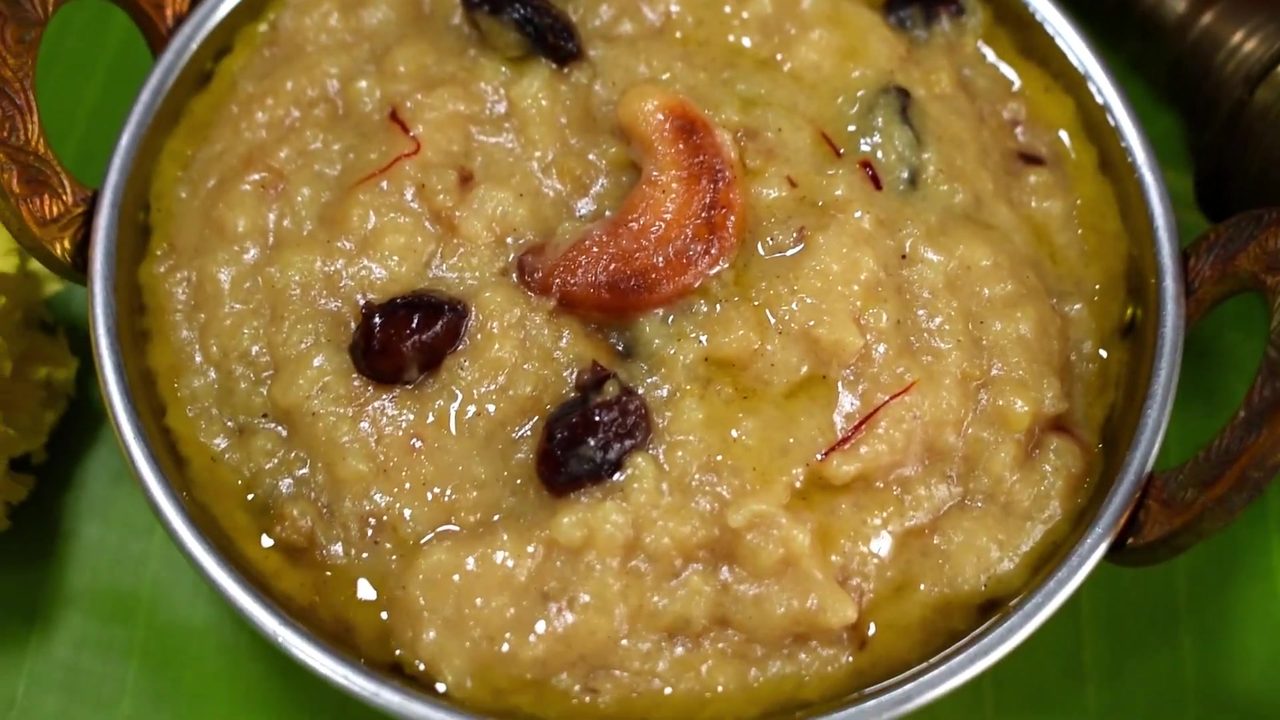
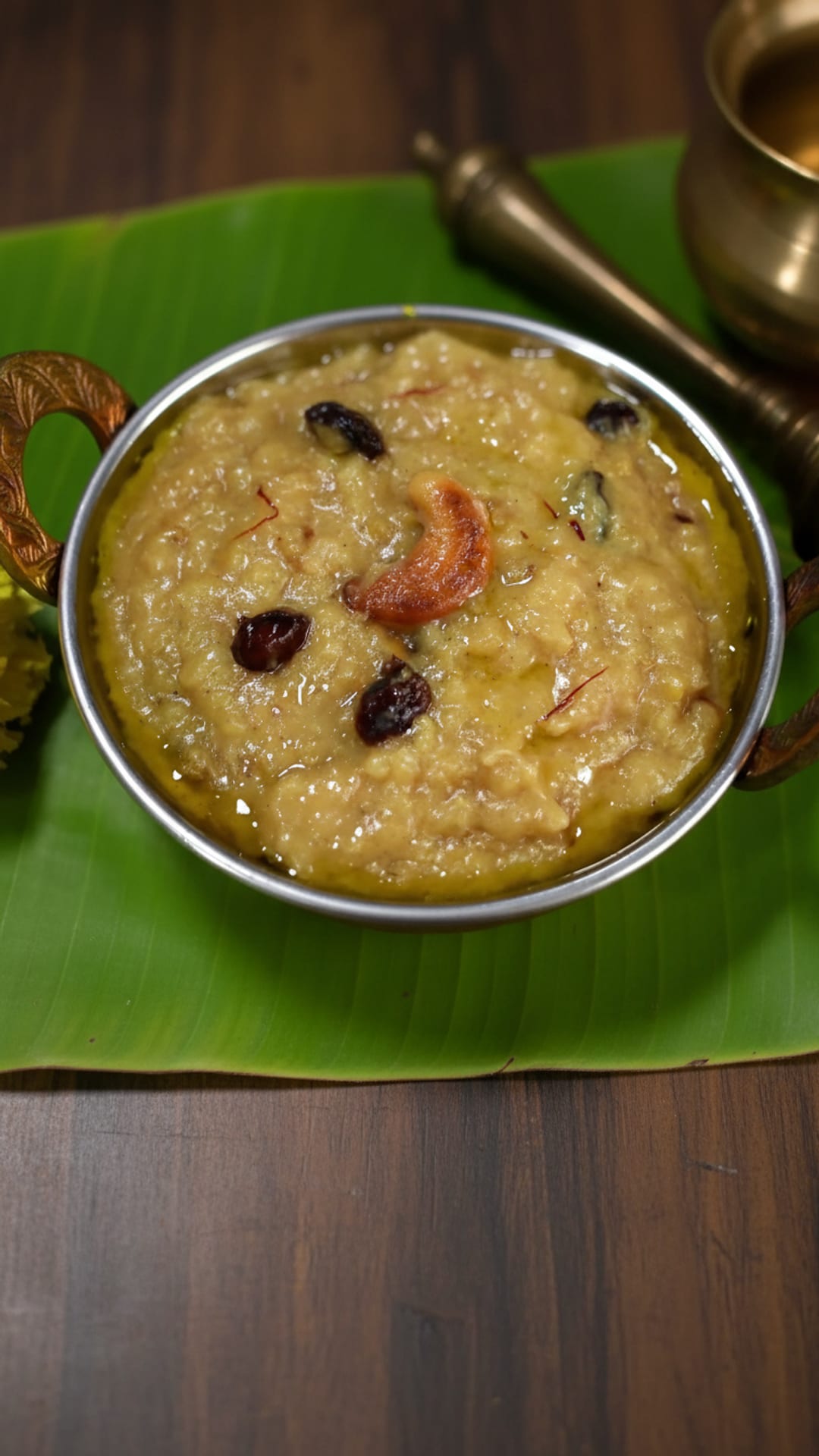
Perfect Akkaravadisal - Srirangam Kovil Special Prasadam
Recipe by Uthami Kitchen
Ingredients
Main Ingredients
- 1 cupRaw Rice
- 1.5 to 2 cupsJaggery
- 1 tbspMoong Dal
- 1.5 to 2 litersMilk
- 1 tspCardamom Powder
- mustard sizeEdible Camphor (Pachai Karpooram)
- 1/4 cupCashews
- 1/4 cupRaisins
- 1 tspSaffron Strands
- 1/4 cupGhee
- 1/2 cupWater
Step-by-Step Instructions
- 1.Roast Dal and Rice
In a heavy-bottomed pot, dry roast 1 tablespoon of moong dal until it turns light brown (about 1-2 minutes). Then, add 1 cup of raw rice and roast for another 2 minutes. You can also make it without roasting the rice.
- 2.Wash Rice and Dal
Wash the roasted rice and moong dal thoroughly about 3 times until the water runs clear. Drain all the water completely.
- 3.Boil Milk
Pour 1.5 liters of milk into the same pot. Bring the milk to a rolling boil, stirring occasionally to prevent it from sticking to the bottom. If needed, add 2 tablespoons of water to prevent sticking.
- 4.Cook Rice and Dal in Milk
Once the milk boils and rises, add the washed rice and moong dal. Cook on medium-low heat, stirring frequently, until the rice and dal are very soft and mushy. This process will take time as the milk reduces and thickens.
- 5.Prepare Jaggery Syrup
While the rice is cooking, crush 1.5 to 2 cups of jaggery. In a separate small pot, add the crushed jaggery and 1/2 cup of water. Boil for about 2 minutes until the jaggery completely dissolves and forms a syrup. Strain the syrup to remove any impurities and set aside.
- 6.Adjust Milk and Add Ghee
As the rice cooks, if the mixture becomes too thick and the rice is not fully cooked, add the remaining 0.5 liters of milk gradually. Add 3 tablespoons of ghee to the cooking mixture to prevent it from burning and sticking to the bottom of the pot.
- 7.Add Jaggery Syrup and Dark Jaggery
Once the rice is fully cooked and the mixture is thick, turn off the heat. Strain and add the prepared jaggery syrup to the Akkaravadisal. Mix well. If you prefer a darker color, add 1/2 cup of dark jaggery powder and mix thoroughly. Turn the heat back on to low and continue to cook, stirring constantly, until the mixture thickens further and reaches a pudding-like consistency.
- 8.Add Flavorings
Once the Akkaravadisal has thickened, add 1 teaspoon of cardamom powder and a mustard-sized piece of edible camphor (Pachai Karpooram), crushed into powder. Mix well to combine the flavors.
- 9.Add Saffron
Sprinkle 1 teaspoon of saffron strands into the Akkaravadisal and stir gently. You can soak saffron in a little warm milk beforehand for better color and flavor distribution.
- 10.Fry Nuts and Raisins
In a small pan, heat 3 tablespoons of ghee. Add 1/4 cup of cashews and 1/4 cup of raisins. Fry until the cashews turn light golden brown and the raisins plump up.
- 11.Combine and Serve
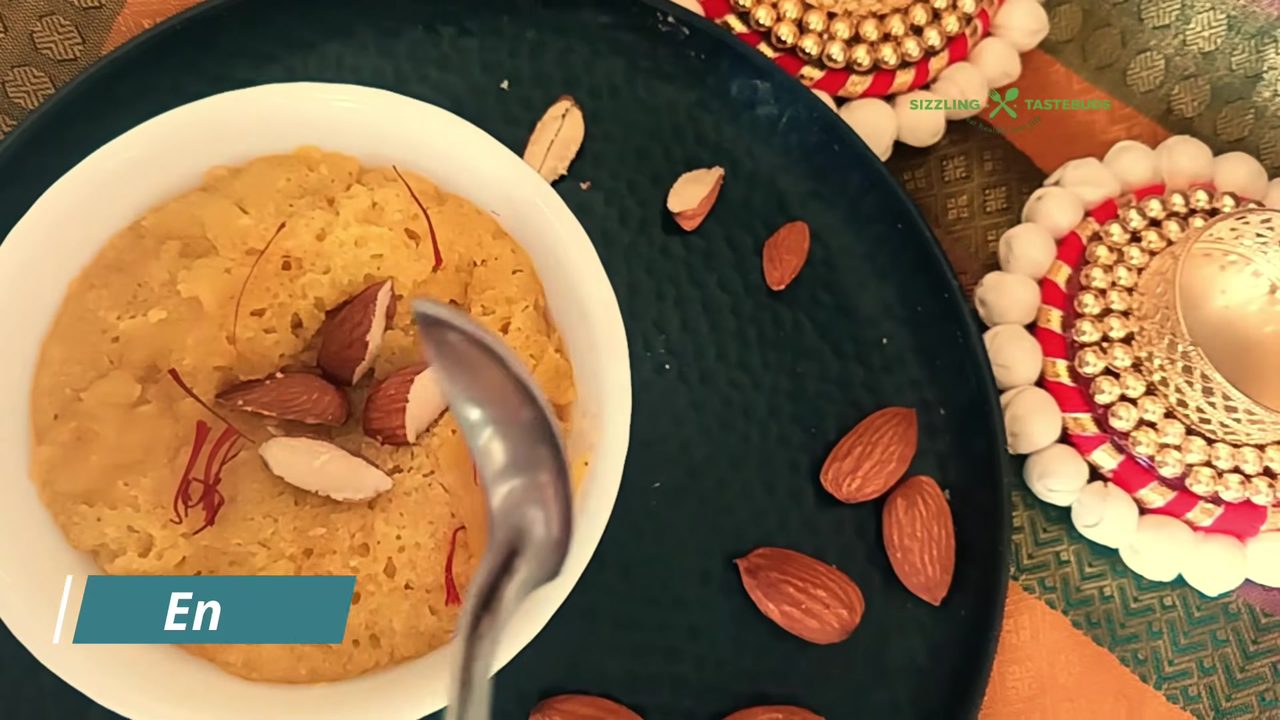
Pour the fried cashews, raisins, and the remaining ghee into the Akkaravadisal. Mix everything well. The Akkaravadisal should be creamy and thick. Serve warm, garnished with extra ghee, a few cashews, and saffron strands.




Comments (0)
Sign in to leave a comment on this recipe.
Loading comments...