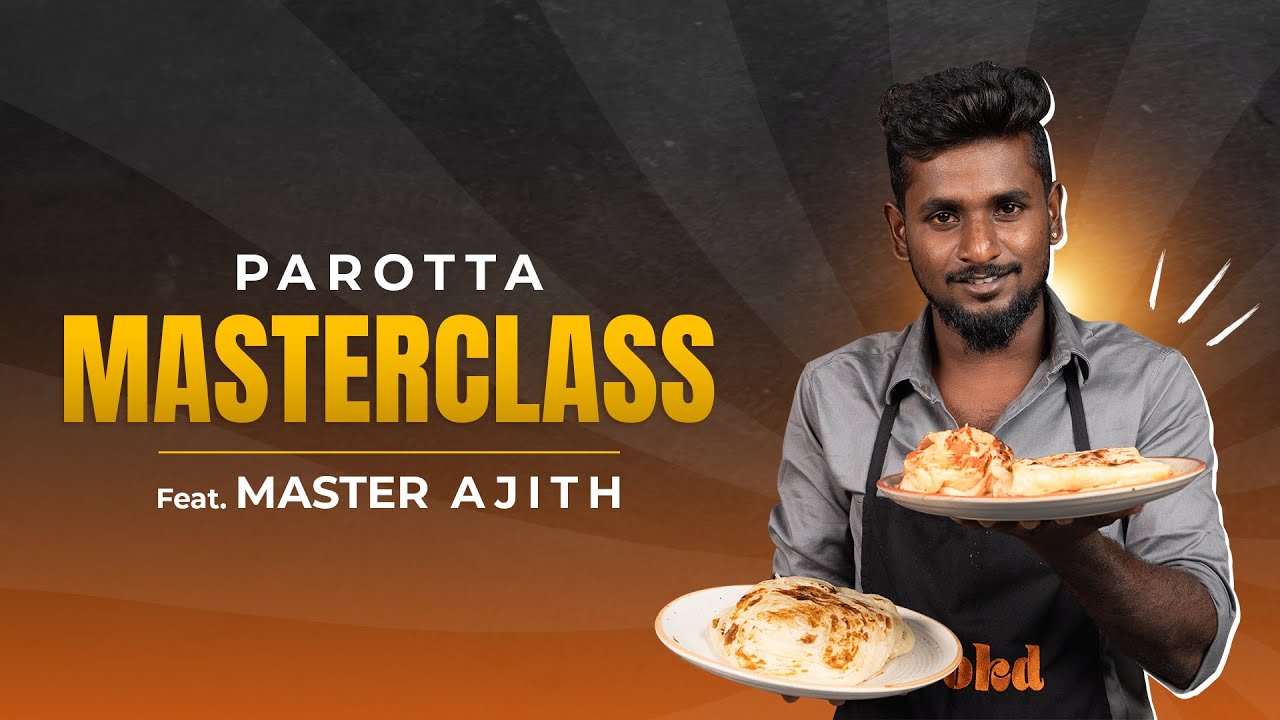
Parotta Masterclass – South Indian Style
For the Parotta Dough
Step-by-Step Instructions
Follow each step to make the recipe successfully.
Prepare the Liquid Base
In a large mixing bowl, pour 2.5 cups of water. Add 1 tablespoon of salt and 1 teaspoon of sugar. Stir until both are completely dissolved.
Knead the Dough
Add 1 kg of all-purpose flour to the water mixture. Combine everything and well. Transfer the dough to a clean countertop and continue to by stretching and folding for about until it becomes smooth and soft.
First Rest
Form the dough into a smooth ball. Place it on the counter and cover it with a large bowl to prevent it from drying out. Let the dough rest for .
Portion and Shape Dough Balls
After resting, cut the dough into equal-sized portions. Take each portion and fold the edges inwards to form a smooth, round ball (beeda). Place the shaped balls into a bowl.
Second Rest
Pour a generous amount of oil over the dough balls in the bowl, ensuring each one is well-coated. This prevents them from sticking and drying. Let them rest for another .
Stretch and Layer (Rolling Pin Method)
For a simple home method, take a rested dough ball and flatten it on an oiled surface. Use a rolling pin to roll it out as thinly as possible. Gently lift and pleat the thin sheet like a fan. Stretch the pleated dough and roll it into a spiral. Tuck the end underneath.
Stretch and Layer (Veesu/Tossing Method)
For the traditional method, flatten a dough ball slightly. Hold it with your fingers and slap it against the counter in a circular motion, allowing it to stretch into a large, thin sheet. Gather the sheet into a long ribbon, then wrap it around your fingers to form a spiral.
Cook the Parotta
Take a layered dough spiral and flatten it with your palm to your desired thickness. Heat a tawa (flat pan). Place the parotta on the hot tawa and drizzle oil on top and around the edges. Cook on medium heat until golden brown spots appear, then flip. Cook the other side, applying more oil, until fully cooked.
Fluff the Parotta
Once cooked, stack 2-3 hot parottas on the countertop. Using both hands on the sides, clap or crush them together firmly. This action separates the layers, making the parotta soft and flaky. Serve immediately.
Before You Cook
Helpful details before you startIngredient SubstitutionsMissing something? View suitable alternatives.View 1 swap
No All-purpose flour?
- White whole wheat flour (1:1)
- 1 cup minus 2 tbsp + 2 tbsp cornstarch (cake flour swap)
Helpful Tips
Small details that can improve the final result.
You might also like
Other recipes in the same cuisine, meal type, or style — ready to cook whenever you are.
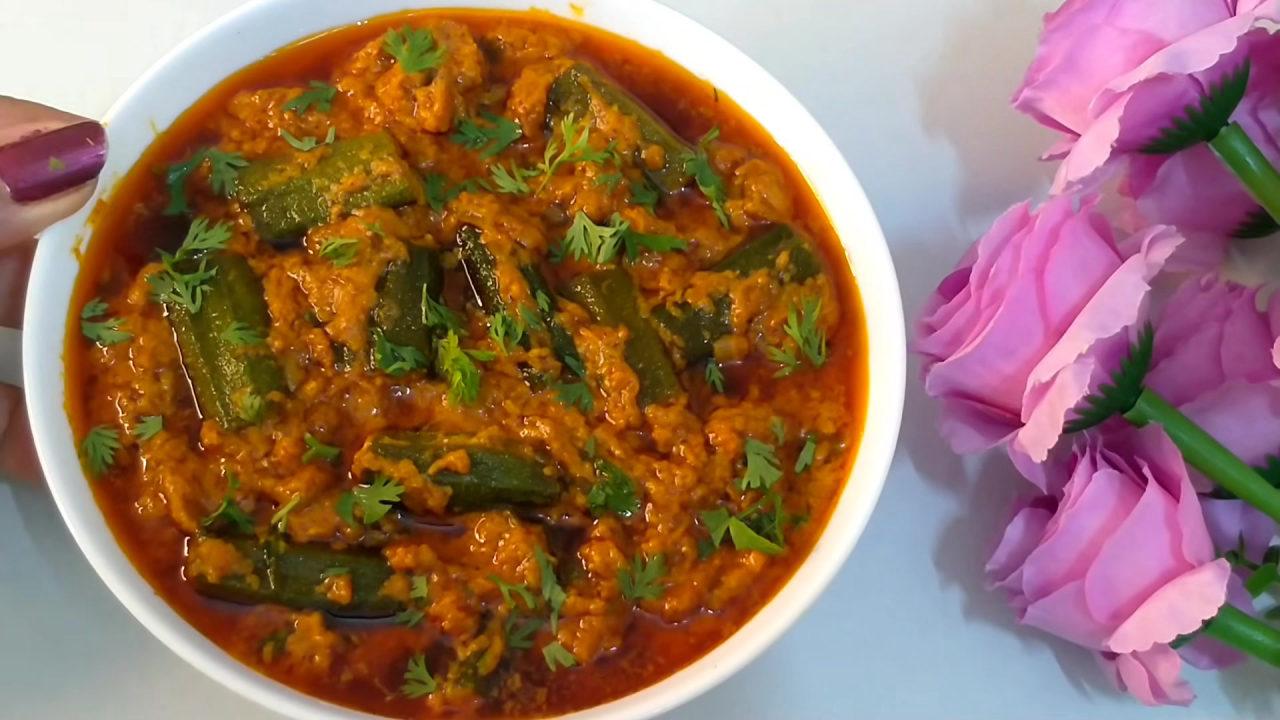
Bhindi Tikka Masala – A Unique Okra Recipe
Cuisine
Indian · North Indian
Prep + Cook Time
50 Minutes
Difficulty Level
Medium
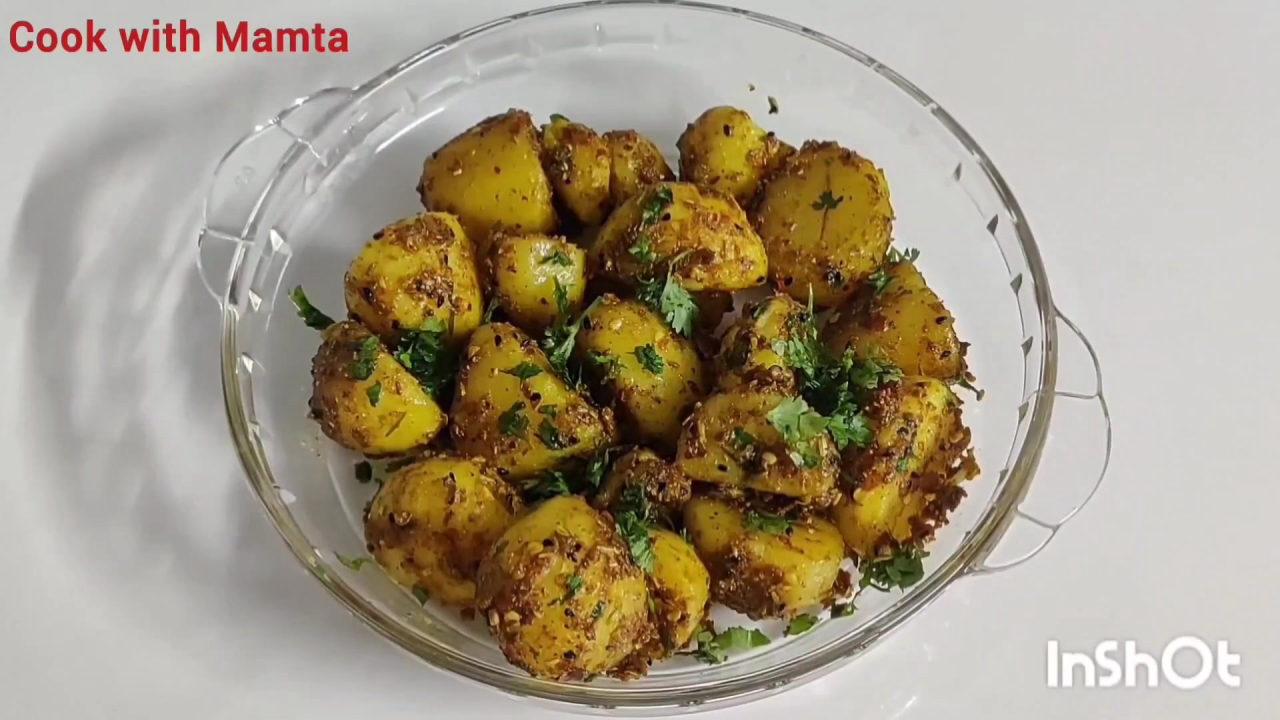
Aachari Aalu (Pickled Potatoes) – Indian Style
Cuisine
Indian · North Indian
Prep + Cook Time
35 Minutes
Difficulty Level
Easy
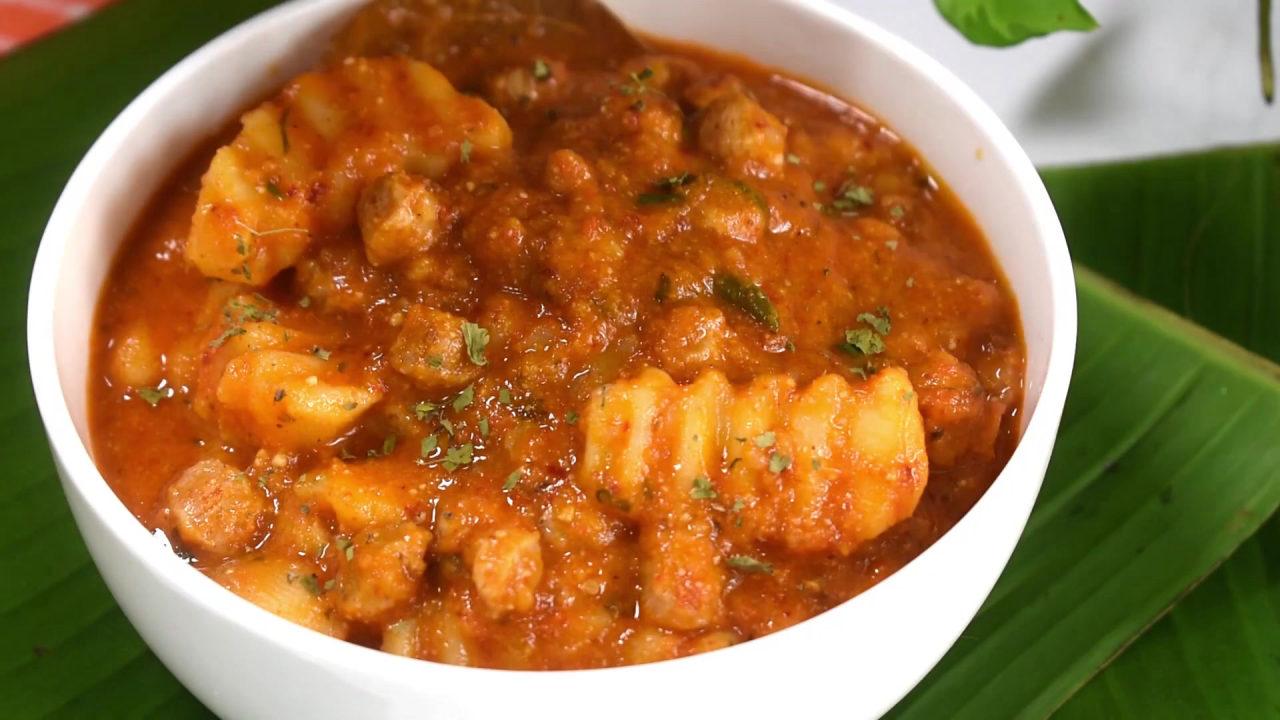
Meal Maker Gravy (Soya Chunks Masala)
Cuisine
Indian · North Indian
Prep + Cook Time
45 Minutes
Difficulty Level
Easy
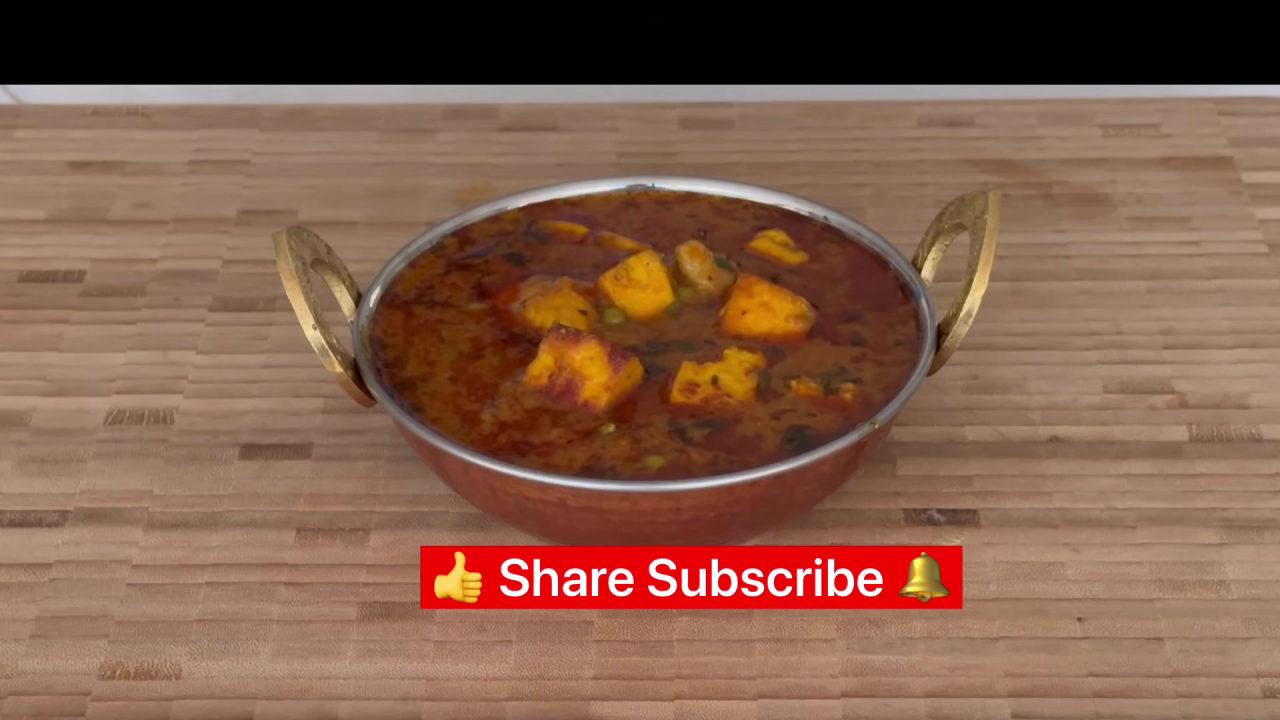
Tari Wala Paneer (Paneer Gravy)
Cuisine
Indian · North Indian
Prep + Cook Time
55 Minutes
Difficulty Level
Medium
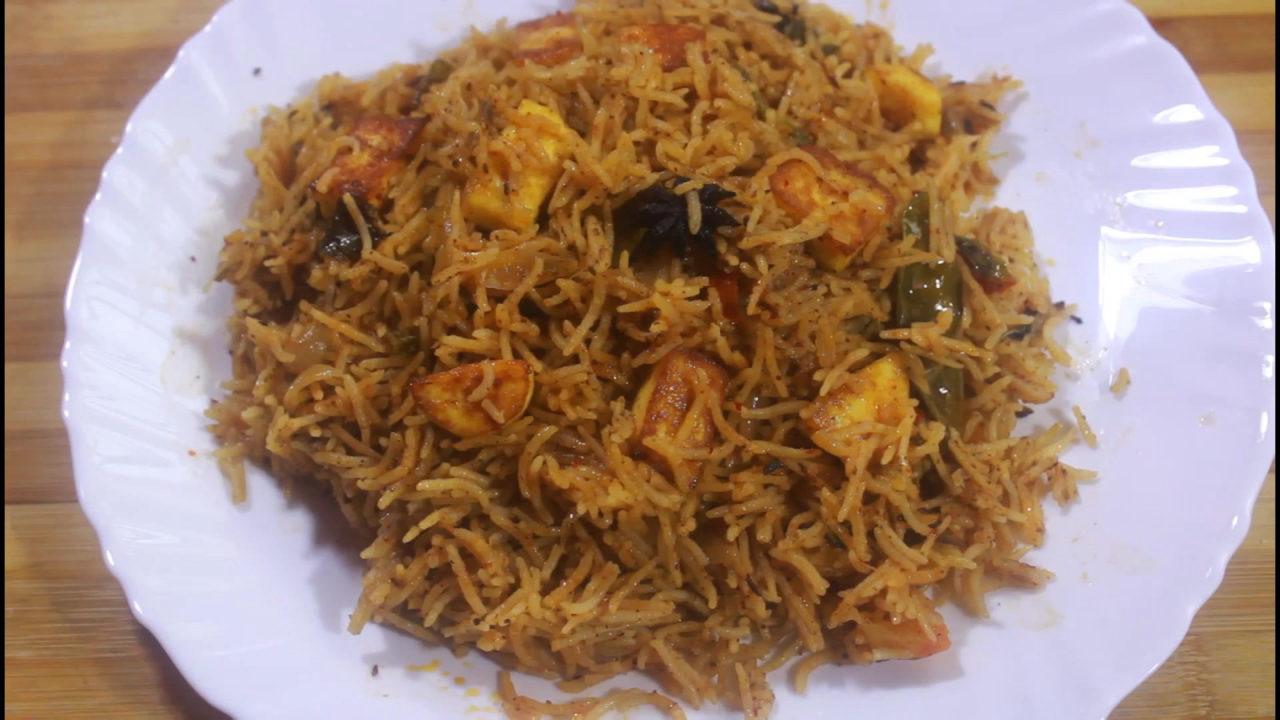
Paneer Biryani in Pressure Cooker
Cuisine
Indian · North Indian
Prep + Cook Time
1 hr 5 min
Difficulty Level
Medium
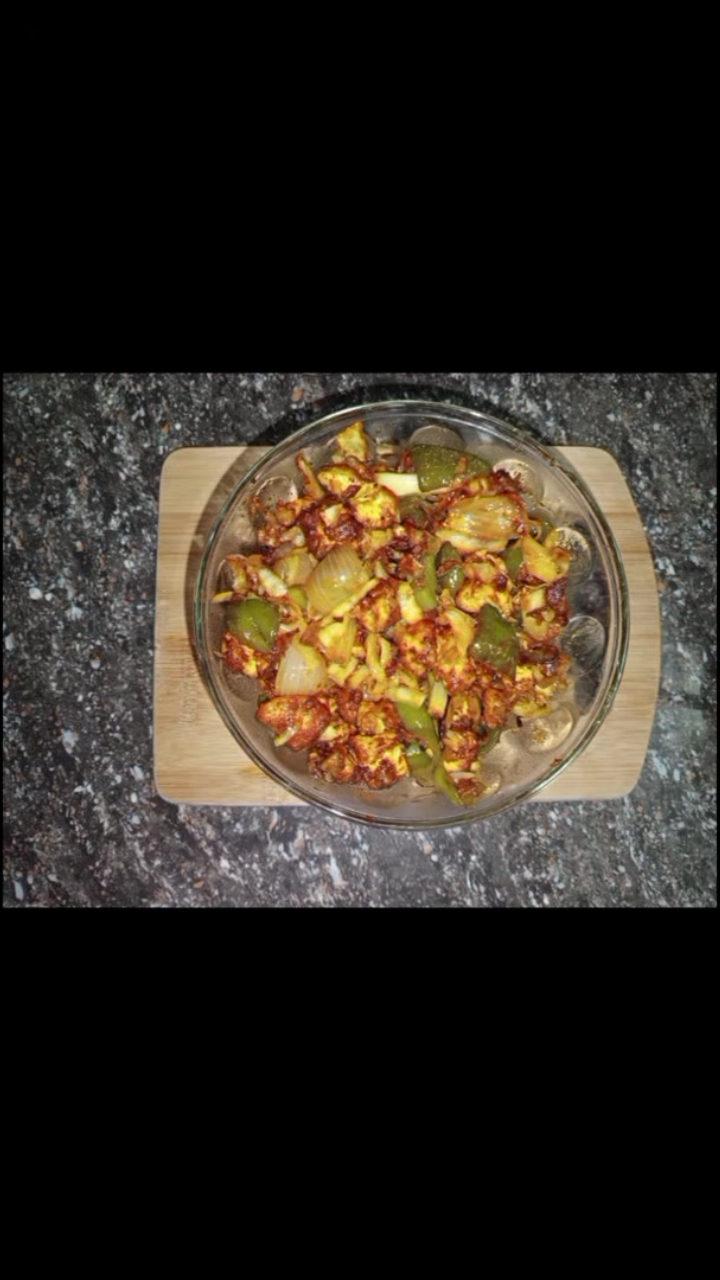
Chilli Paneer with Cabbage – Unique Indo-Chinese Style
Cuisine
Indian · Indo-Chinese
Prep + Cook Time
35 Minutes
Difficulty Level
Comments (0)
Sign in to leave a comment on this recipe.
Loading comments...