
Milk Cake - Indian Sweet
Main Ingredients
Step-by-Step Instructions
Follow each step to make the recipe successfully.
Boil the Milk
Pour 2 litres of milk into a heavy-bottomed kadai or pan. Bring it to a rolling boil over medium-high heat, stirring occasionally to prevent it from sticking.
Curdle the Milk
Once the milk is boiling, the heat slightly and start adding lemon juice, a few drops at a time, at different spots in the pan. Stir gently after each addition. Continue this process slowly to achieve a grainy, curdled texture without completely separating the whey.
Reduce the Milk
Continue to cook the curdled milk, stirring frequently. Allow it to and thicken considerably until it has a rich, creamy, and granular consistency.
Add First Batch of Sugar
Once the milk has significantly, add 1 cup of sugar. Stir well to dissolve. The mixture will become liquidy again.
Thicken the Mixture
Continue cooking on high heat, stirring constantly, until the mixture thickens again and most of the moisture from the sugar has evaporated.
Add Second Batch of Sugar and Ghee
Add the remaining 1/2 cup of sugar and stir. Once it dissolves, add 1 tablespoon of ghee and mix well. Continue cooking and stirring.
Final Cooking Stage
As the mixture thickens and starts leaving the sides of the pan, add the final tablespoon of ghee. Keep stirring continuously on high heat until the mixture forms a thick mass and turns into a light caramel color.
Set the Milk Cake
Turn off the stove and immediately transfer the hot mixture into a tin lined with butter paper. Spread it evenly and press down firmly with a spatula. Dab a little more ghee on top.
Insulate and Rest
Cover the surface with another sheet of butter paper. To retain the heat, wrap the tin tightly in a kitchen towel, and then wrap it again in a mat or thick blanket. Let it sit undisturbed in a warm place for (or up to for a deeper color) to set completely.
Cut and Serve
After the resting period, unwrap the milk cake. Gently remove it from the tin and peel off the butter paper. Cut it into squares or desired shapes. Garnish with almonds and serve.
Before You Cook
Helpful details before you startIngredient SubstitutionsMissing something? View suitable alternatives.View 3 swaps
No Milk?
- Unsweetened almond / soy / oat milk (1:1)
- 1/2 cup evaporated milk + 1/2 cup water (per 1 cup)
No Lemon juice?
- Lime juice (1:1)
- 1/2 the amount white vinegar — In dressings, savory dishes.
No Ghee?
- Unsalted butter (1:1)
- Neutral oil (1:1, lacks the toasted note)
Variations
Simple ways to adapt this recipe.
- You can use vinegar dilutedIngredient swap
You can use vinegar diluted with a little water instead of lemon juice to curdle the milk.
- Adjust the amount of sugar
Adjust the amount of sugar according to your preferred sweetness level.
Helpful Tips
Small details that can improve the final result.
More from HomeCookingShow
Other recipes converted from HomeCookingShow's cooking videos.
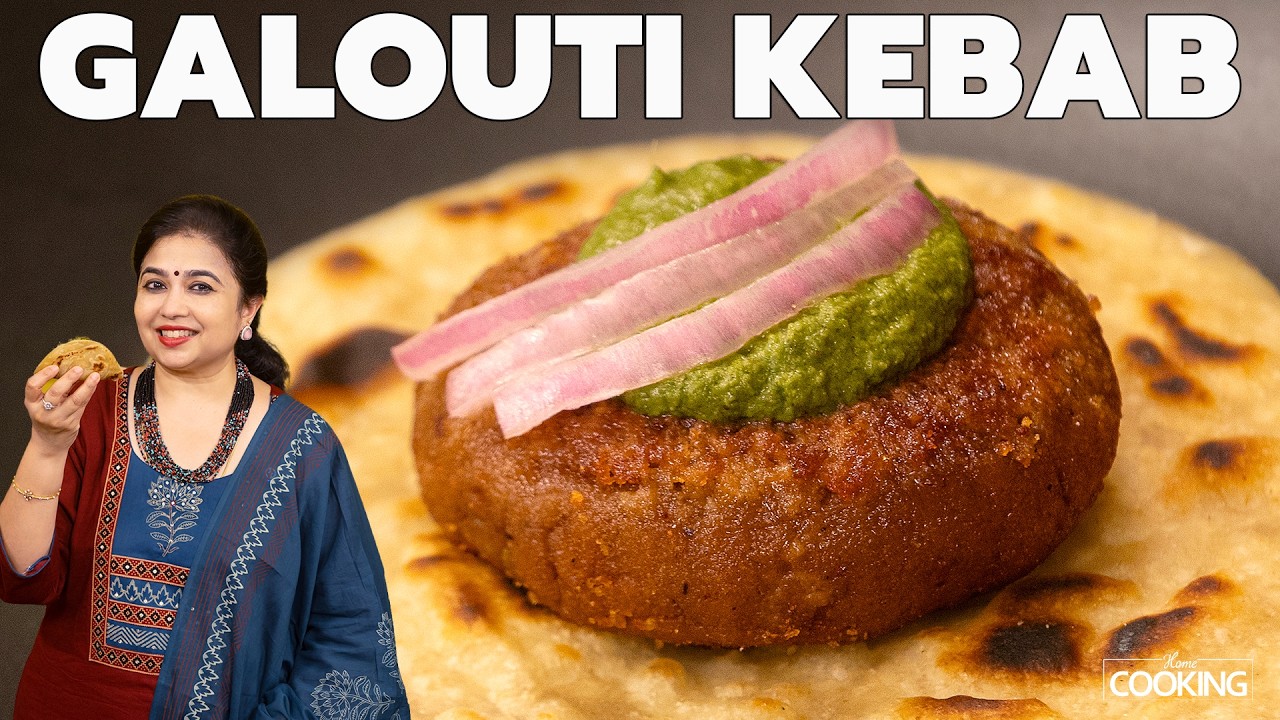
Mushroom Galouti Kebab Recipe
Cuisine
Indian · North Indian
Prep + Cook Time
50 Minutes
Difficulty Level
Medium

Chicken Biryani – One Pot Style
Cuisine
Indian · South Indian
Prep + Cook Time
1 hr 20 min
Difficulty Level
Medium

Palak Paneer with a Twist
Cuisine
Indian · North Indian
Prep + Cook Time
35 Minutes
Difficulty Level
Medium
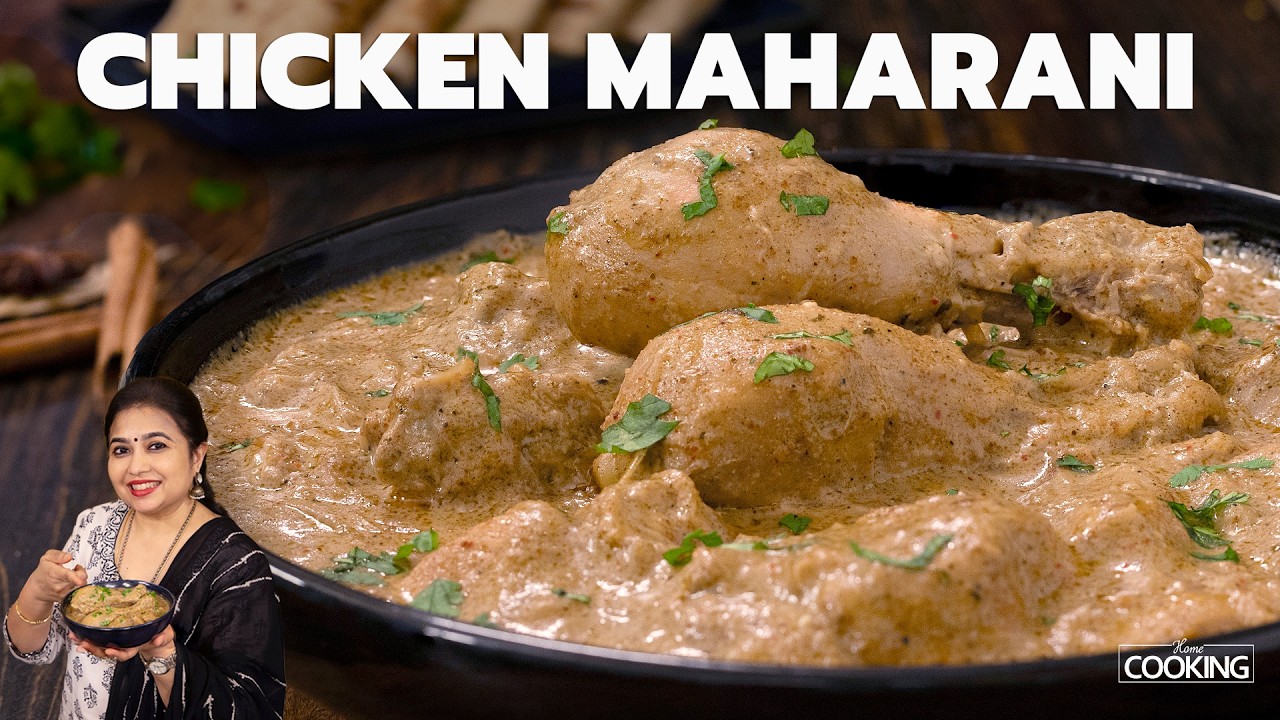
Chicken Maharani - Mughlai Style
Cuisine
Indian · North Indian
Prep + Cook Time
55 Minutes
Difficulty Level
Medium

Guntur Chicken Masala – Home Cooking
Cuisine
Indian · South Indian
Prep + Cook Time
1 hr 10 min
Difficulty Level
Medium
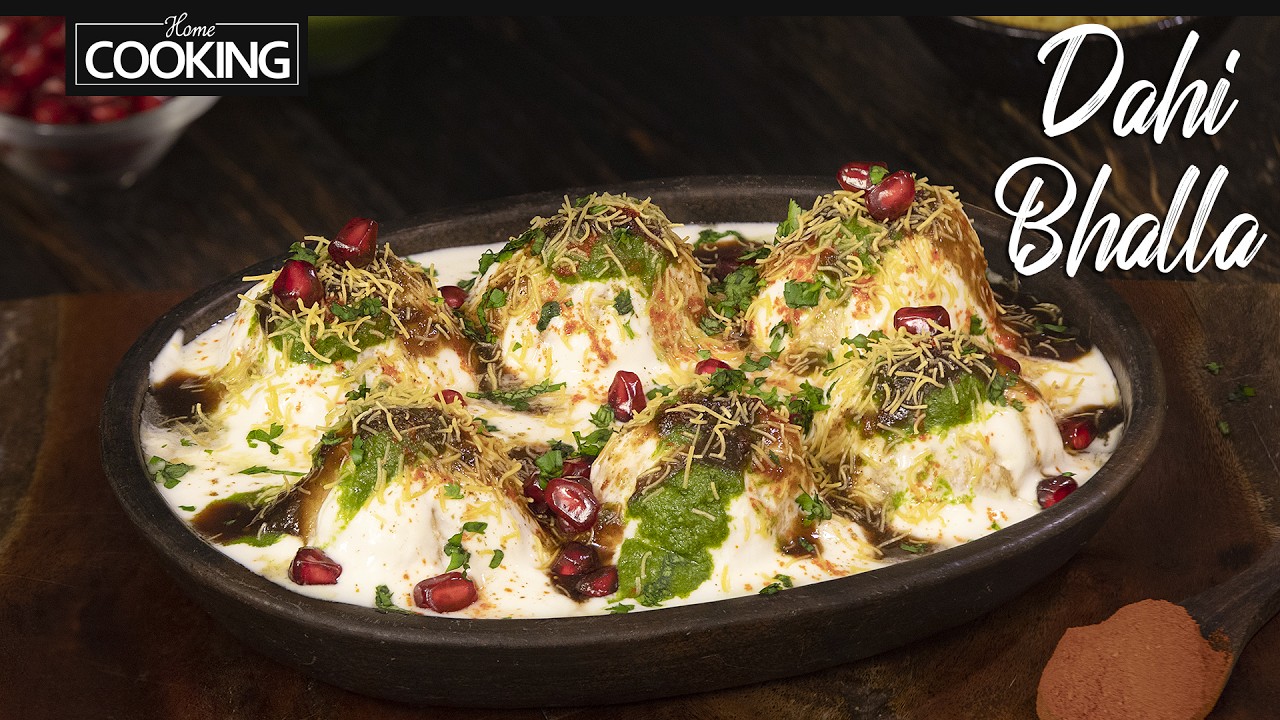
Dahi Bhalla – Indian Street Food
Cuisine
Indian · North Indian
Prep + Cook Time
4 hr 30 min
Difficulty Level
Medium
You might also like
Other recipes in the same cuisine, meal type, or style — ready to cook whenever you are.

Authentic Vada Pav - Mumbai Street Food Style
Cuisine
Indian · Maharashtrian Street Food
Prep + Cook Time
1 hr 45 min
Difficulty Level
Medium
Mushroom Galouti Kebab Recipe
Cuisine
Indian · North Indian
Prep + Cook Time
50 Minutes
Difficulty Level
Medium
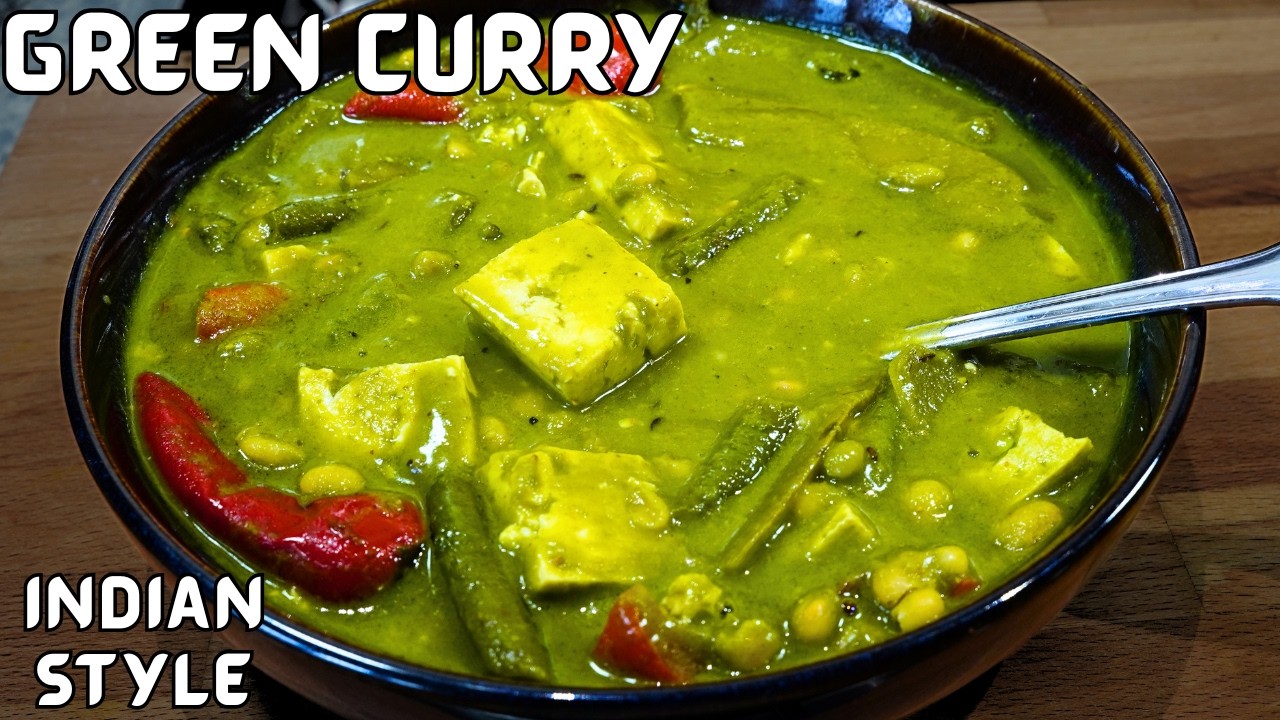
Creamy Green Curry with White Beans and Tofu
Cuisine
Indian
Prep + Cook Time
35 Minutes
Difficulty Level
Easy

Aloo Matar - Indian Potato and Peas Curry
Cuisine
Indian · North Indian
Prep + Cook Time
50 Minutes
Difficulty Level
Easy
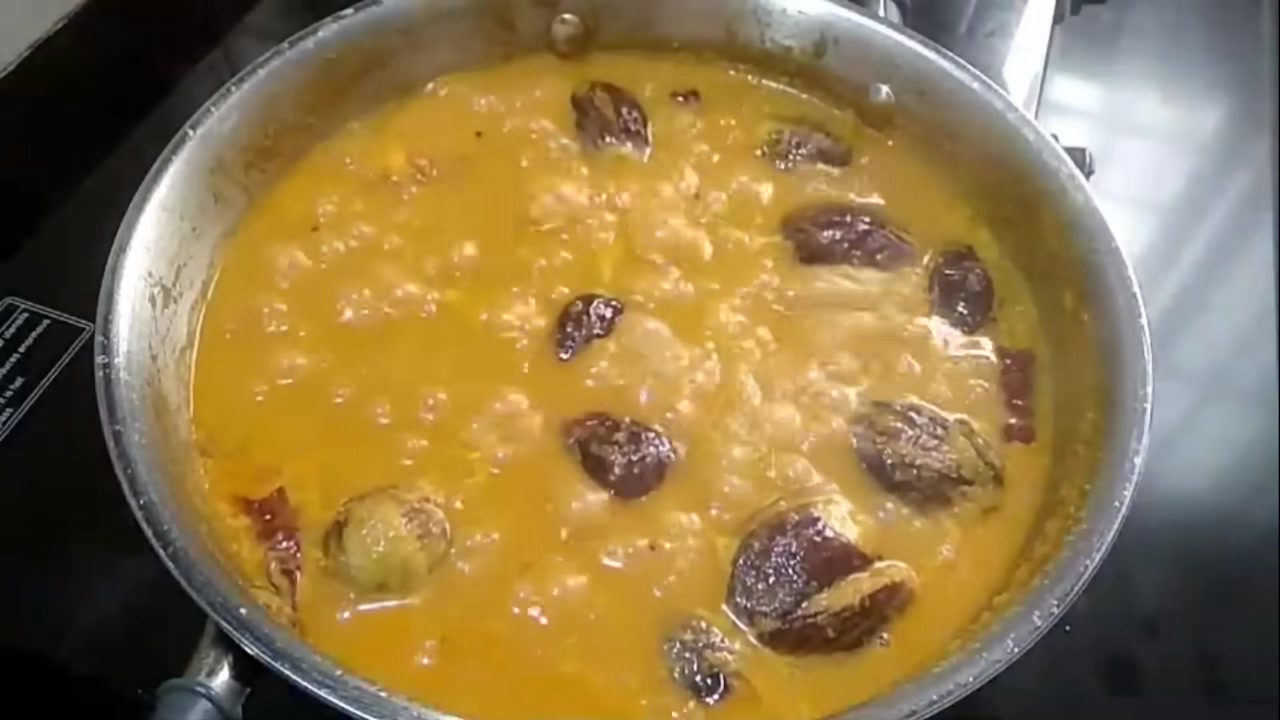
Ennai Kathirikai Kulambu (Oil Brinjal Curry)
Cuisine
Indian · South Indian
Prep + Cook Time
45 Minutes
Difficulty Level
Medium
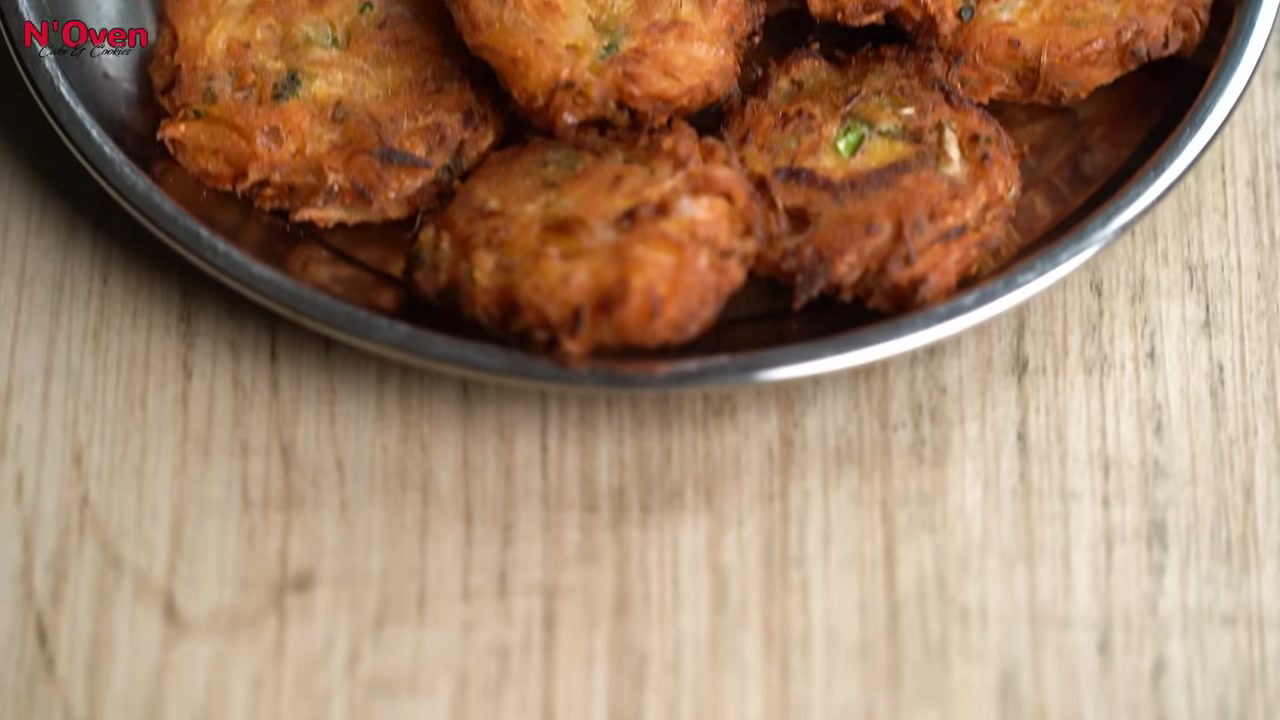
Onion Fritters (Pakoda) – Indian Style
Cuisine
Indian
Prep + Cook Time
30 Minutes
Difficulty Level
Comments (0)
Sign in to leave a comment on this recipe.
Loading comments...