
Malacca Laksa (Nyonya Laksa)
Main Ingredients
Rempah (Spice Paste)
Step-by-Step Instructions
Follow each step to make the recipe successfully.
Prepare Prawns for Stock and Paste
Peel the prawns, separating the heads and shells from the meat. Set the prawn meat aside for later use.
Make Prawn Stock
In a pot, fry the prawn heads and shells in a generous amount of cooking oil until they turn nicely brown and aromatic. Add 1-1.5 liters of water and bring to a boil to extract all the flavors, forming the prawn stock.
Prepare Rempah Ingredients
Chop the onions, red chilies, lemongrass, galangal, and garlic into smaller pieces. Rehydrate the dried chilies and chop them. Gather all rempah ingredients.
Pound Rempah (Spice Paste)
Using a heavy granite mortar and pestle, pound all the rempah ingredients until a fibrous paste forms. This process helps release the juices and essential oils from the aromatics.
Pound Prawn Paste
In the same mortar and pestle, pound the fresh prawn meat and dried prawns until a coarse paste forms. This adds an intense umami flavor to the laksa.
Extract Fresh Coconut Milk
Crack open an old coconut and grate the flesh. Place the grated coconut into a cheesecloth and hand-squeeze to extract fresh coconut milk. Strain the coconut milk to remove any solids.
Cook the Laksa Broth
Heat a generous amount of cooking oil in a wok. Add the hand-pounded rempah and fry until the color intensifies to a dark red and the oil separates, indicating the raw flavors have transformed. Add the pounded fresh prawn paste and dried prawns, stirring to combine. Pour in the prawn stock and bring the mixture to a boil to create a spicy broth.
Add Coconut Milk and Seasoning
Add the fresh coconut milk to the broth and stir until well combined. Season with belacan (shrimp paste) and add the tofu puffs, allowing them to soak up the broth.
Prepare Cockles and Laksa Leaves
the cockles in hot water until they slightly open, then extract the plump flesh. Take only the leaves from the laksa plant and finely them.
Prepare Fresh Toppings
the fresh cucumber. the bean sprouts in hot water until just tender. Cook the rice noodles according to package instructions.
Assemble and Serve Malacca Laksa
Place the cooked rice noodles in a bowl. Ladle a generous amount of the rich laksa broth over the noodles, ensuring some tofu puffs are included. Arrange the cooked prawns, extracted cockle meat, cucumber, bean sprouts, and laksa leaves on top. Serve immediately with a spoonful of sambal tumis (if reserved from rempah frying).
Before You Cook
Helpful details before you startIngredient SubstitutionsMissing something? View suitable alternatives.View 2 swaps
No Onion?
- 1 tbsp onion powder (per medium onion)
- 3 tbsp dried minced onion
- Shallots or leeks (1:1)
No Garlic (fresh)?
- 1/4 tsp garlic powder (per clove)
- 1/2 tsp garlic granules (per clove)
Variations
Simple ways to adapt this recipe.
- This is one of many
This is one of many regional variations of Laksa found across Southeast Asia, each with unique ingredients and preparation methods.
Helpful Tips
Small details that can improve the final result.
You might also like
Other recipes in the same cuisine, meal type, or style — ready to cook whenever you are.
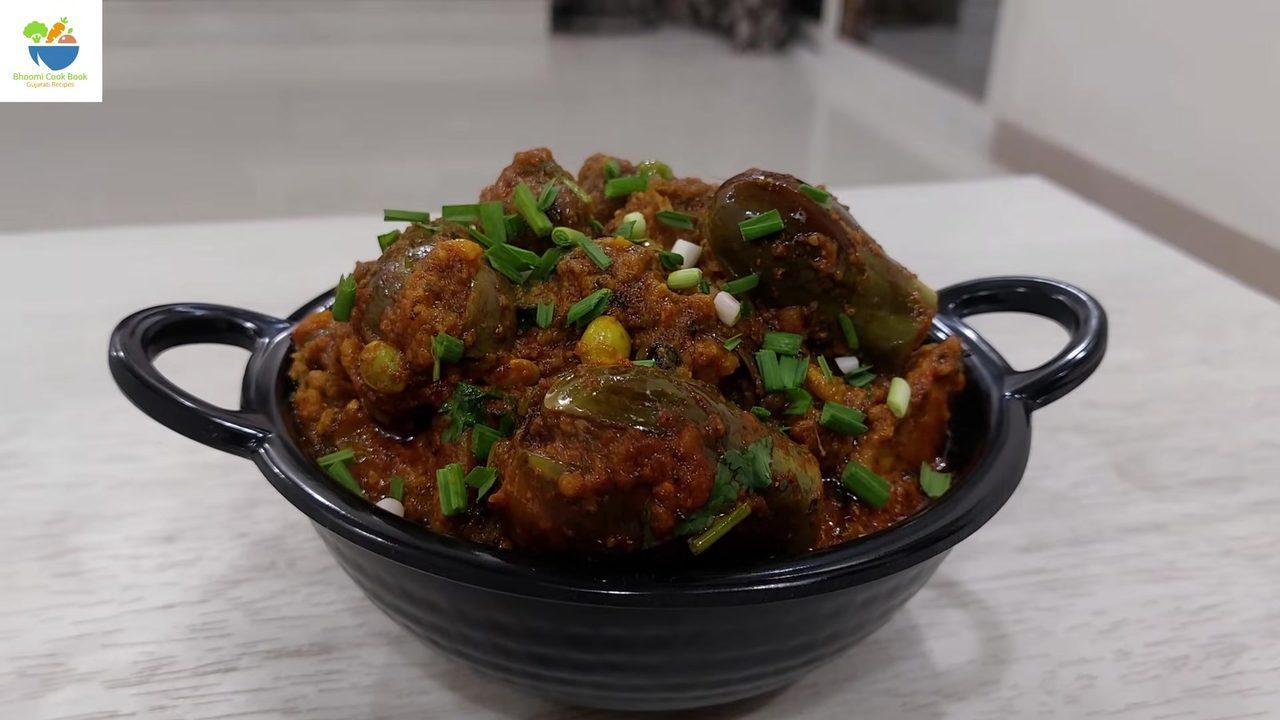
Gujarati Undhiyu - Quick Pressure Cooker Recipe
Cuisine
Indian · Gujarati
Prep + Cook Time
1 hr
Difficulty Level
Medium
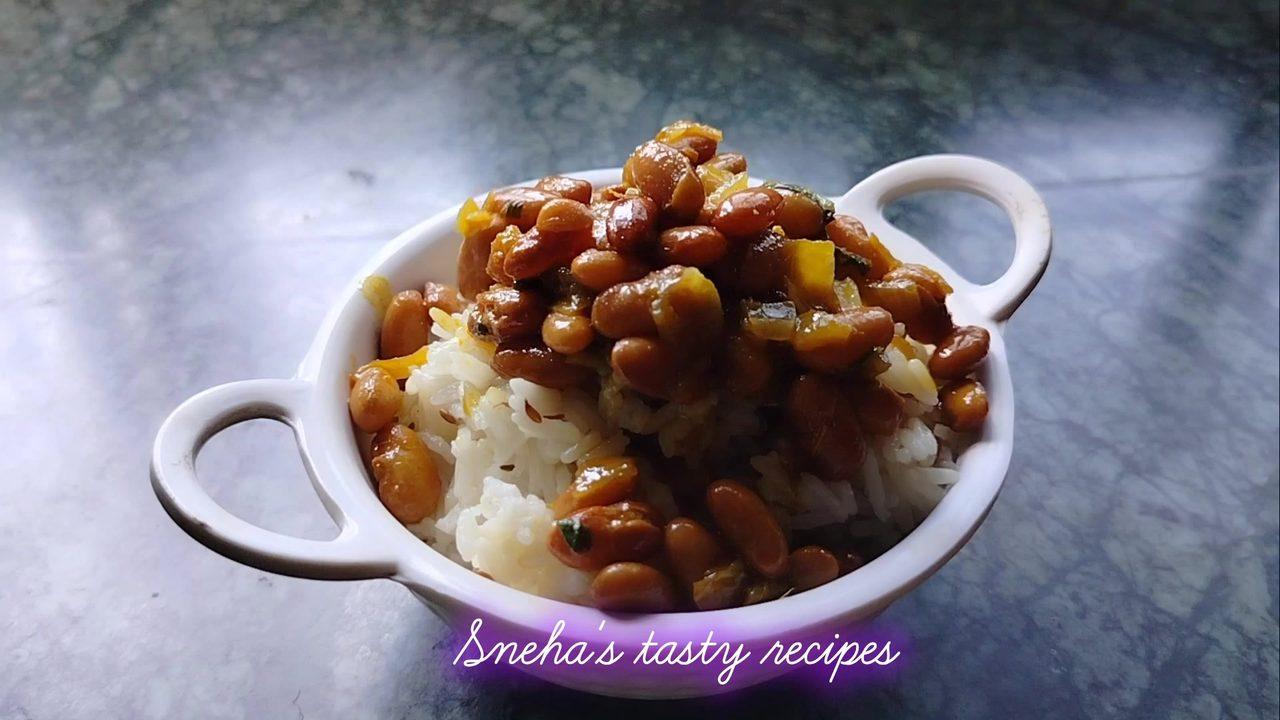
Rajma Chawal (Kidney Beans Curry with Cumin Rice)
Cuisine
Indian · North Indian
Prep + Cook Time
1 hr 15 min
Difficulty Level
Medium
Kerala Style Red Pumpkin Kootu
Cuisine
Indian · South Indian
Prep + Cook Time
55 Minutes
Difficulty Level
Medium
Delicious Chickpea Curry (Chole) - Quick & Easy Recipe
Cuisine
Indian · North Indian
Prep + Cook Time
45 Minutes
Difficulty Level
Easy
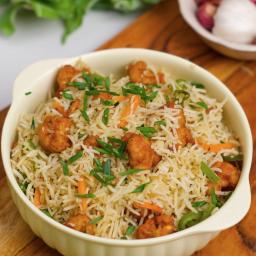
Gobi Fried Rice – Restaurant Style
Cuisine
Asian · Indian-Chinese
Prep + Cook Time
45 Minutes
Difficulty Level
Medium
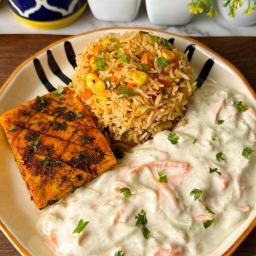
Spicy Paneer Rice Bowl – Indian
Cuisine
Indian · North Indian
Prep + Cook Time
45 Minutes
Difficulty Level
Comments (0)
Sign in to leave a comment on this recipe.
Loading comments...