Instant Rabri Kheer (No Khoya, No Condensed Milk)
Recipe by Cooking Bites Food Secrets
Ingredients
For Soaking Rice
- 1/4 cupBasmati Rice (whole or broken)
For Rabri Base
- 1.5 litersMilk (full-fat)
- 5Rusks
- 4 tablespoonsPowder Milk (e.g., Nido)
- 1 cupMilk (for blending)
For Caramel
- 3/4 cupSugar
For Flavor and Garnish
- 1/2 tablespoonCardamom Powder
- 4 tablespoonsGrated Coconut
- 2 tablespoonsRaisins (Chismish)
- Few dropsKewra Essence
- For garnishChopped Almonds
- For garnishChopped Pistachios
Step-by-Step Instructions
- 1.Prepare the Rice
Take 1/4 cup of Basmati rice (whole or broken). Wash the rice 2 to 3 times, then add enough water to cover and soak for approximately 2 hours.
- 2.Boil the Milk
Pour 1.5 liters of full-fat milk into a large pan or kadhai. Place it on a slow flame to bring it to a boil.
- 3.Crush the Rice
Once the rice has soaked for 2 hours, drain the water completely. Transfer the softened rice to a plate and coarsely crush it by hand. Do not grind it in a blender; the goal is a coarse, broken texture.
- 4.Prepare the Rusk Mixture
Take 5 rusks and break them roughly into a grinder jug. Add 4 tablespoons of milk powder (such as Nido) and 1 cup of milk (or water) to the jug. Blend until you get a fine, smooth paste.
- 5.Combine Ingredients in Milk
Once the milk comes to a boil, add the coarsely crushed rice. Immediately after, slowly pour in the blended rusk and milk powder mixture while continuously stirring the milk to prevent any lumps from forming.
- 6.Cook the Kheer Base
Continue cooking the kheer on a medium-low flame, stirring occasionally, until it thickens and the rice becomes soft. This process will take some time, allowing the flavors to meld and the kheer to achieve a creamy consistency.
- 7.Prepare the Caramel
In a separate pan, add 3/4 cup of sugar. Place the pan on a slow flame. Do not stir the sugar until it begins to melt and caramelize. Once caramelization starts, stir continuously to ensure even melting and prevent burning. Cook until all sugar crystals have dissolved and it forms a smooth, amber-colored caramel. Be careful not to overcook, as burnt caramel will give a bitter taste.
- 8.Add Caramel to Kheer
Carefully pour the hot caramel into the kheer. The caramel may harden upon contact with the cooler kheer, but do not worry. Increase the flame to high and stir vigorously until the hardened caramel completely dissolves into the kheer. This step will give the kheer a beautiful golden color and a rich, deep flavor.
- 9.Add Flavorings and Nuts
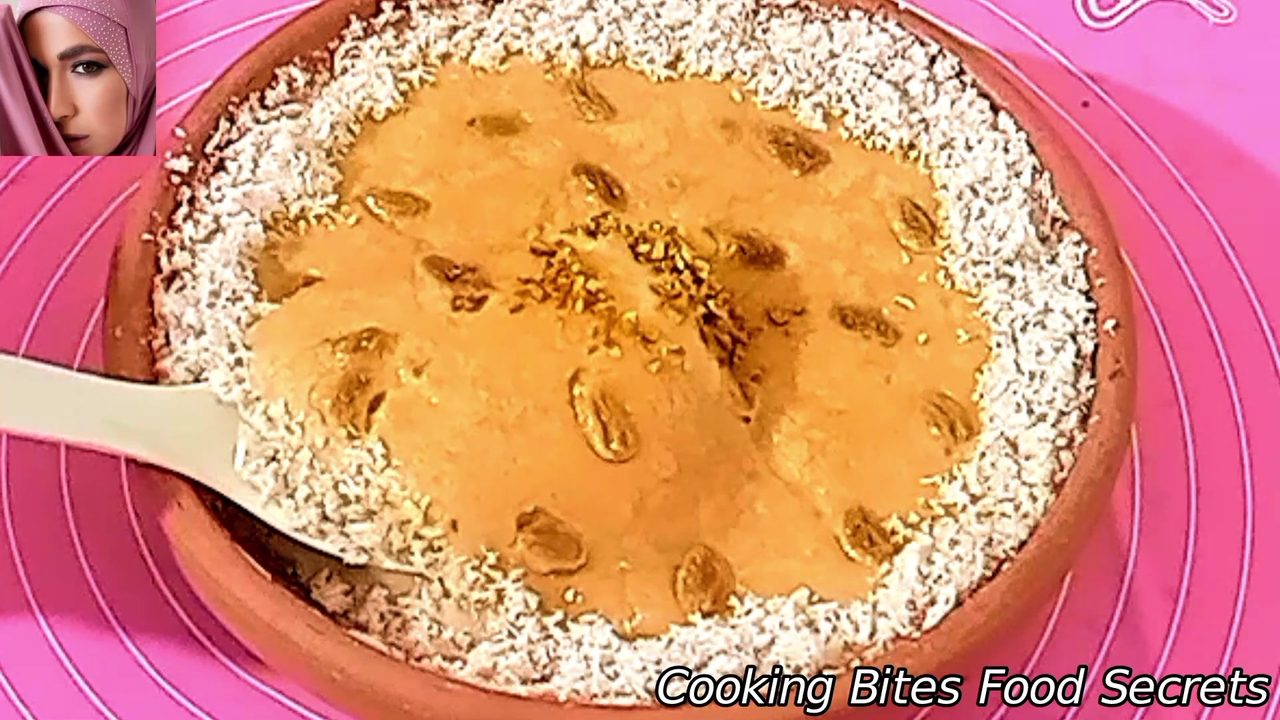
Once the kheer has thickened to your desired consistency (it will thicken further upon cooling), add 1/2 tablespoon of cardamom powder, 4 tablespoons of grated coconut, and 2 tablespoons of raisins. Stir well to combine. Finally, add a few drops of Kewra essence to enhance the aroma and taste. Cook for a few more minutes until bubbles start to appear, indicating the kheer is ready. Turn off the gas.
- 10.Serve and Garnish
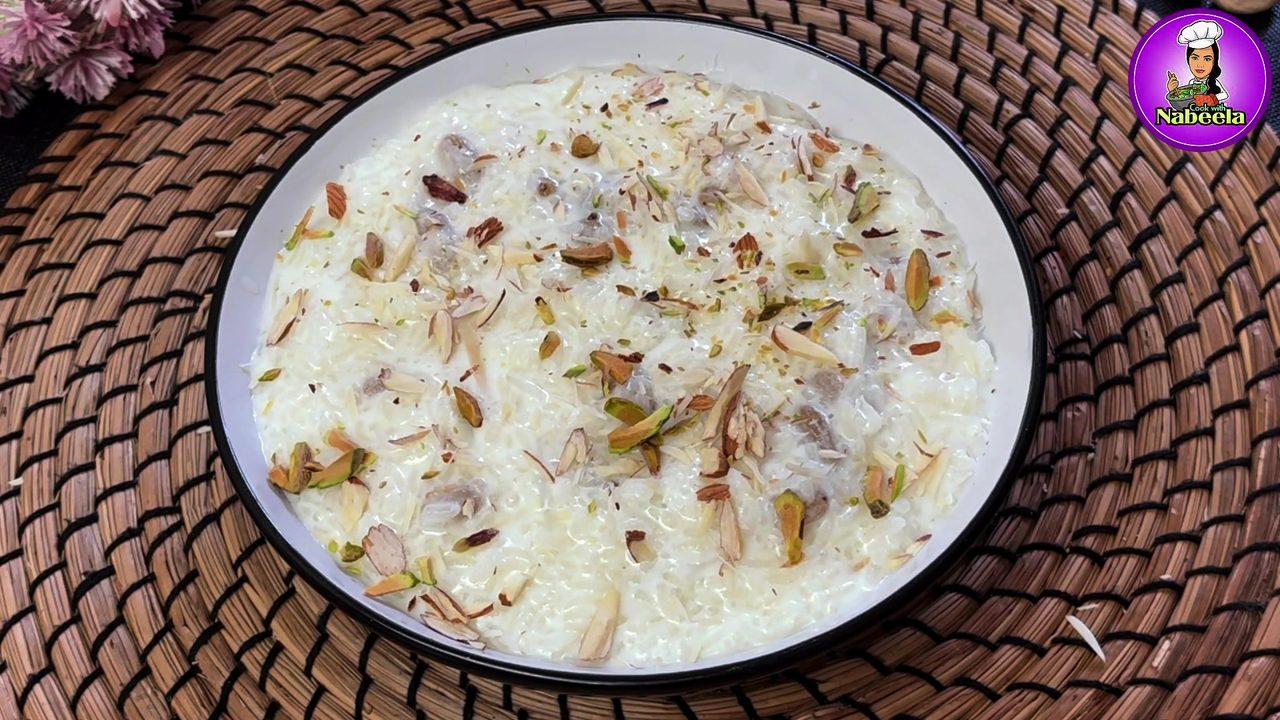
Pour the hot kheer into a serving bowl (an earthen pot is recommended for traditional presentation). Allow it to cool down to normal room temperature. Once cooled, garnish with chopped almonds and pistachios. Refrigerate the kheer for 4 to 5 hours until thoroughly chilled. Serve cold and enjoy your delicious Rabri Kheer.


Comments (0)
Sign in to leave a comment on this recipe.
Loading comments...