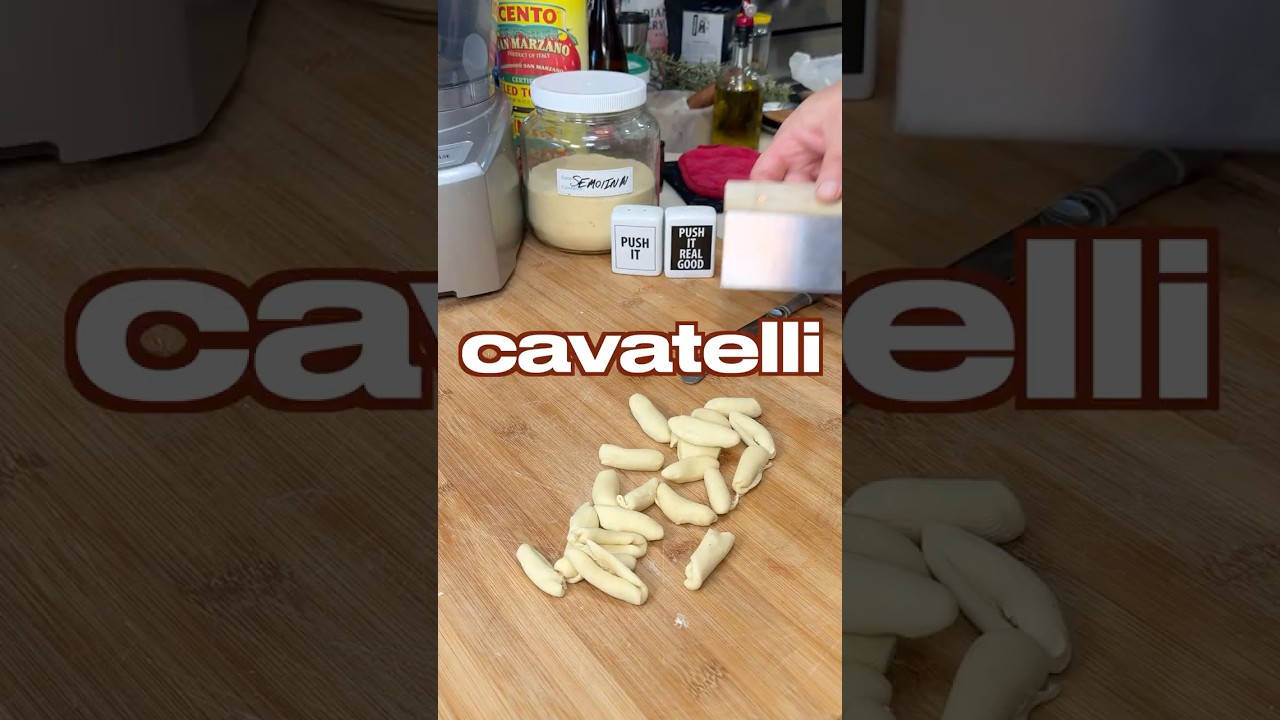
Homemade Semolina Cavatelli Pasta – Italian
Cavatelli Dough
For Cooking
Step-by-Step Instructions
Follow each step to make the recipe successfully.
Prepare Food Processor
Add 160g of water to the food processor fitted with a plastic dough blade.
Add Semolina Flour
Add 300g of semolina flour to the food processor.
Initial Blend
Blend the water and semolina flour in the food processor until combined, for about .
Scrape Down Bowl
Scrape down the sides of the food processor bowl with a spatula to ensure all ingredients are incorporated.
Continue Blending
Blend again until the dough forms a cohesive ball, for about .
Knead Dough
Remove the dough from the food processor and it by hand on a clean wooden board for until it becomes smooth and elastic, developing the gluten.
Rest Dough
Wrap the dough tightly in plastic wrap and at room temperature for to allow the gluten to relax.
Cut Dough into Strips
Unwrap the rested dough and cut it into several smaller, manageable strips using a knife.
Roll Dough Snakes
Take one strip of dough and roll it by hand on the wooden board into a long, thin 'snake' about the thickness of your pinky finger.
Cut Pieces
Cut the dough snake into small, approximately 1-inch pieces.
Shape Cavatelli
Using a butter knife, press each small dough piece against the wooden board and drag it towards you, creating a hollow, shell-like shape with ridges on one side.
Prepare for Cooking
Transfer the shaped cavatelli to a baking sheet lined with parchment paper, dusted with semolina flour, to prevent sticking.
Boil Water
Bring a large pot of water to a rolling boil and add a generous amount of salt (approximately 1 tablespoon).
Cook Pasta
Carefully add the fresh cavatelli to the boiling salted water.
Drain Pasta
Cook the cavatelli until they float to the surface, then continue cooking for approximately more. Remove the cooked pasta from the water using a slotted spoon or spider.
Combine with Sauce
Transfer the cooked cavatelli directly into a pan with your prepared sauce. Mix well to coat the pasta evenly and allow it to finish cooking in the sauce for a minute or two, absorbing the flavors.
Before You Cook
Helpful details before you startVariations
Simple ways to adapt this recipe.
- Serve with various sauces like pesto
Arrabbiata, or a simple butter and sage sauce.
- Add a pinch of saltCustomise
Add a pinch of salt to the dough mixture for enhanced flavor.
Helpful Tips
Small details that can improve the final result.
You might also like
Other recipes in the same cuisine, meal type, or style — ready to cook whenever you are.
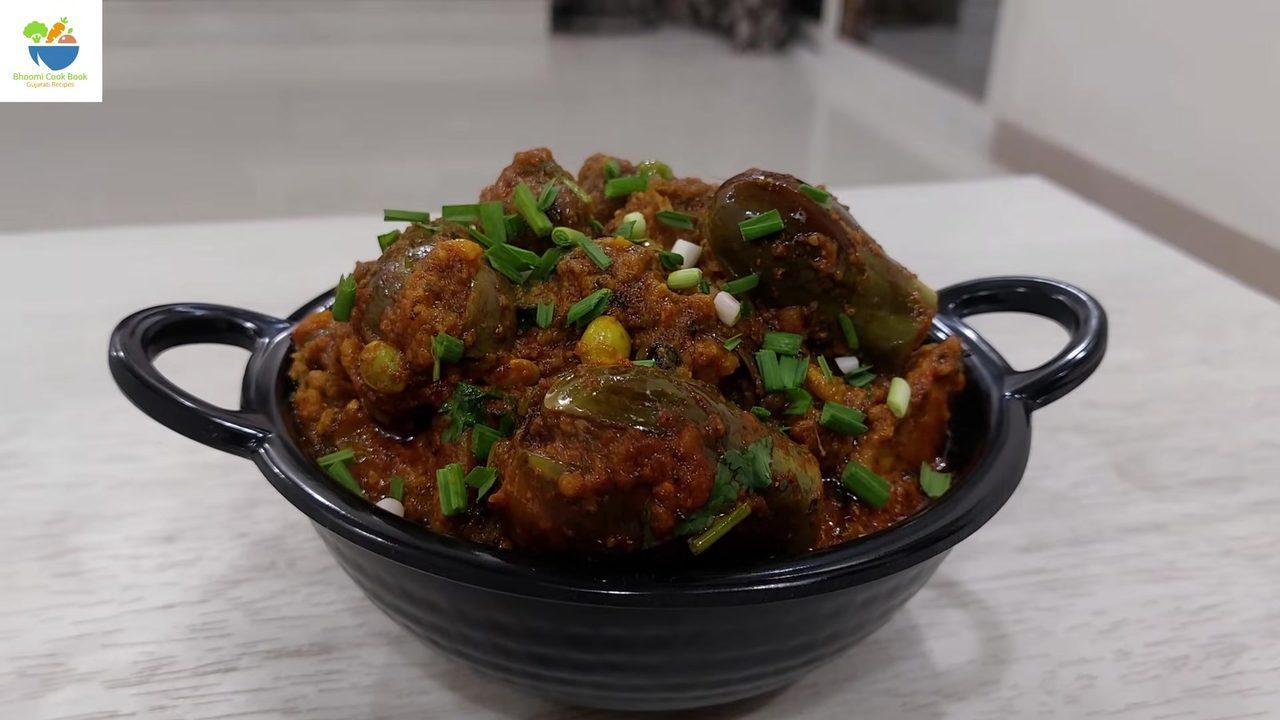
Gujarati Undhiyu - Quick Pressure Cooker Recipe
Cuisine
Indian · Gujarati
Prep + Cook Time
1 hr
Difficulty Level
Medium
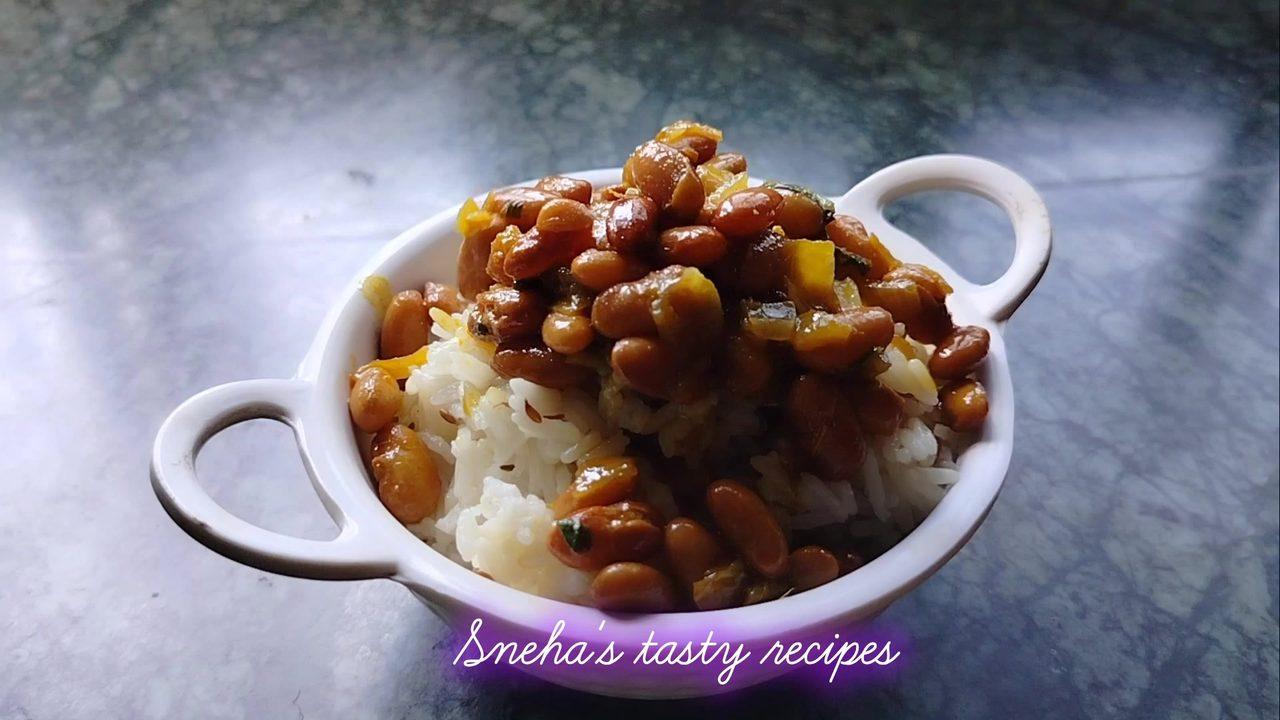
Rajma Chawal (Kidney Beans Curry with Cumin Rice)
Cuisine
Indian · North Indian
Prep + Cook Time
1 hr 15 min
Difficulty Level
Medium
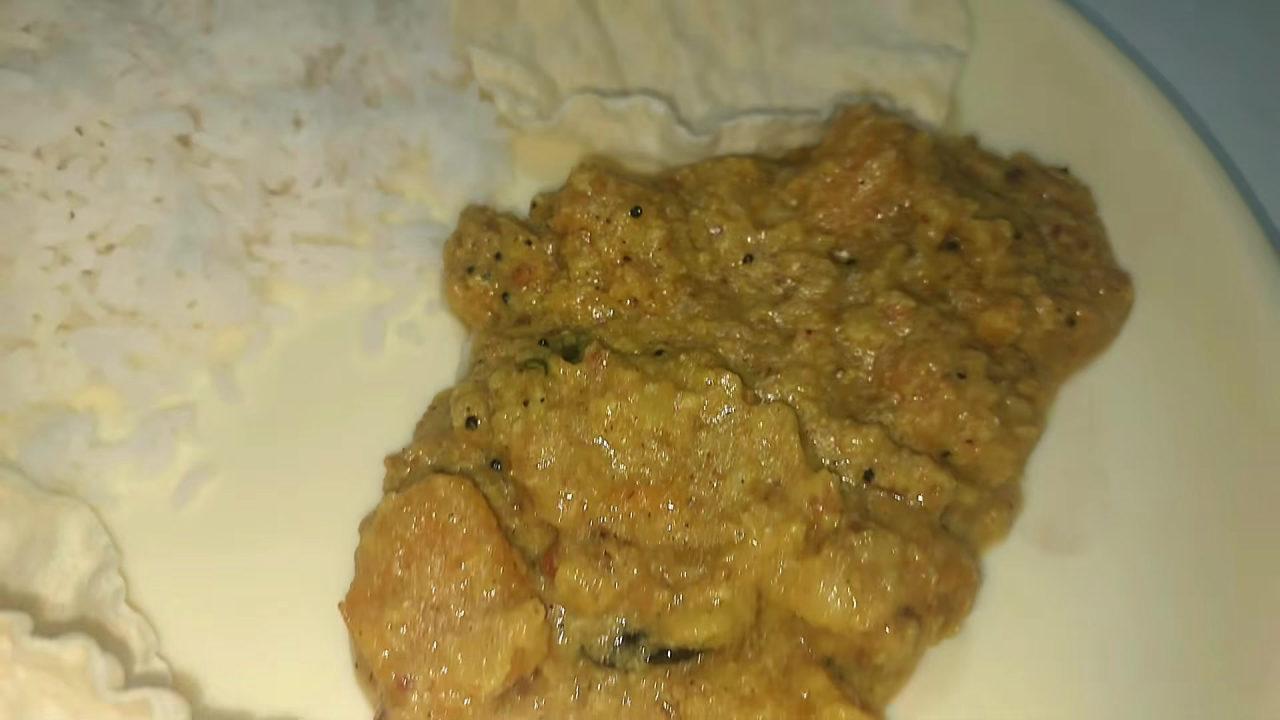
Kerala Style Red Pumpkin Kootu
Cuisine
Indian · South Indian
Prep + Cook Time
55 Minutes
Difficulty Level
Medium
Delicious Chickpea Curry (Chole) - Quick & Easy Recipe
Cuisine
Indian · North Indian
Prep + Cook Time
45 Minutes
Difficulty Level
Easy
Gobi Fried Rice – Restaurant Style
Cuisine
Asian · Indian-Chinese
Prep + Cook Time
45 Minutes
Difficulty Level
Medium
Spicy Paneer Rice Bowl – Indian
Cuisine
Indian · North Indian
Prep + Cook Time
45 Minutes
Difficulty Level
Comments (0)
Sign in to leave a comment on this recipe.
Loading comments...