Carrot Pulp Halwa - Traditional Pakistani Sweet
Recipe by Tariq Shahid's CHANNEL COOKING RECIPES
Ingredients
Main Ingredients
- from 30 kg carrots (25 kg frozen, 5 kg fresh)Carrot Pulp
- from 5 kg carrotsFresh Carrot Juice
- 8 cupsSugar
- 5 cupsClarified Butter (Ghee)
- 6 litersMilk
- 2 small tinsCondensed Milk
- 8 tbspRose Water
- 1 tinCoconut Cream
For Serving
- 100 gramsMilk Solids (Khoya)
- 4 tbspCream
- for garnishDry Fruits (Almonds, Walnuts)
Step-by-Step Instructions
- 1.Prepare and Store Carrot Pulp
Throughout the carrot season, extract juice from carrots and collect the leftover pulp. Store the pulp in zip bags and freeze it. For this recipe, use pulp from approximately 25 kg of carrots that has been frozen. Additionally, juice 5 kg of fresh carrots, reserving both the fresh pulp and the fresh juice.
- 2.Combine Pulps and Juice
Defrost the frozen carrot pulp at room temperature. Transfer the defrosted pulp to a large pan. Add the fresh carrot pulp and the fresh carrot juice to the pan.
- 3.Initial Cooking of Carrot Pulp
Turn on the flame to medium heat. Cover the pan with a lid and heat the mixture for a short while. Stir occasionally to ensure even heating. Cook for about 30 minutes until the pulp is well heated through.
- 4.Add Sugar and Cook
Add 8 cups of sugar to the carrot mixture. Mix well. Cook for a while, stirring continuously, until the sugar melts and releases its water. Reduce the flame slightly, cover the pan, and cook for another 15 minutes, stirring occasionally.
- 5.Dry the Water and Roast with Ghee
After 15 minutes, remove the lid. Increase the flame and cook, stirring continuously, until all the water from the sugar has evaporated. Once the water is dry, add 5 cups of clarified butter (ghee). Mix well and roast the carrots thoroughly until the ghee separates and comes to the top.
- 6.Cook with Milk
Pour 6 liters of milk into the roasted carrot mixture. Bring it to a boil on high flame. Once it boils, continue to cook on high flame, stirring occasionally, until the carrots are fully cooked and all the milk has dried up. Ensure there is no milky moisture left.
- 7.Add Condensed Milk and Rose Water
Once the milk has dried and the carrots are well roasted, add 2 small tins of condensed milk. Mix thoroughly. Then, add 8 tablespoons of rose water and mix again. Cook for 1 minute while mixing.
- 8.Incorporate Coconut Cream
Add 1 tin of coconut cream to the halwa. Mix it well into the halwa. Cook for 1 minute while mixing to dry any excess water from the coconut cream. The halwa is now cooked. Turn off the flame and remove the pan from the stove.
- 9.Cool and Freeze for Storage
Let the halwa cool completely. For storage, freeze the halwa in portions without adding khoya or cream. When you wish to serve, take out the desired amount.
- 10.Prepare for Serving
For serving, take the required amount of halwa in a pan and place it on the stove. Turn on the flame to reheat it. Add 100 grams of fresh milk solids (khoya) and 4 tablespoons of cream. If using frozen khoya, heat it slightly in a microwave first. Mix well, breaking the khoya into pieces rather than mashing it, until the khoya and cream are well incorporated.
- 11.Garnish and Serve
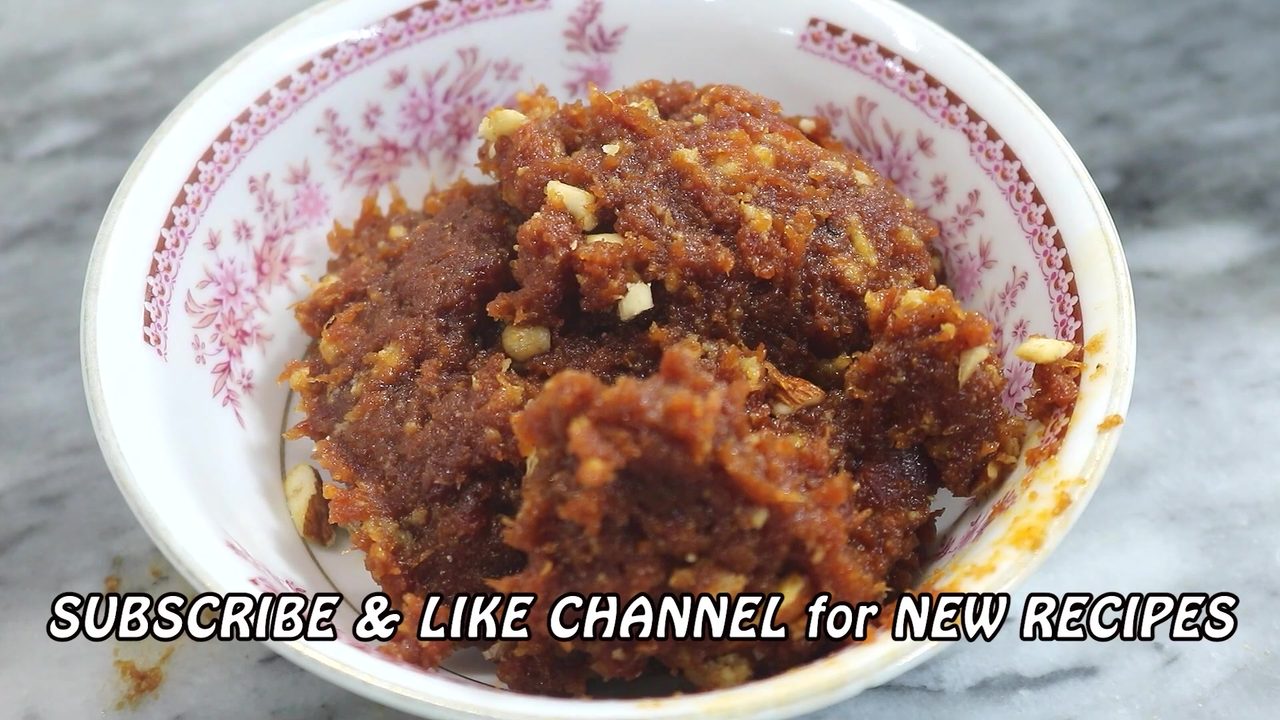
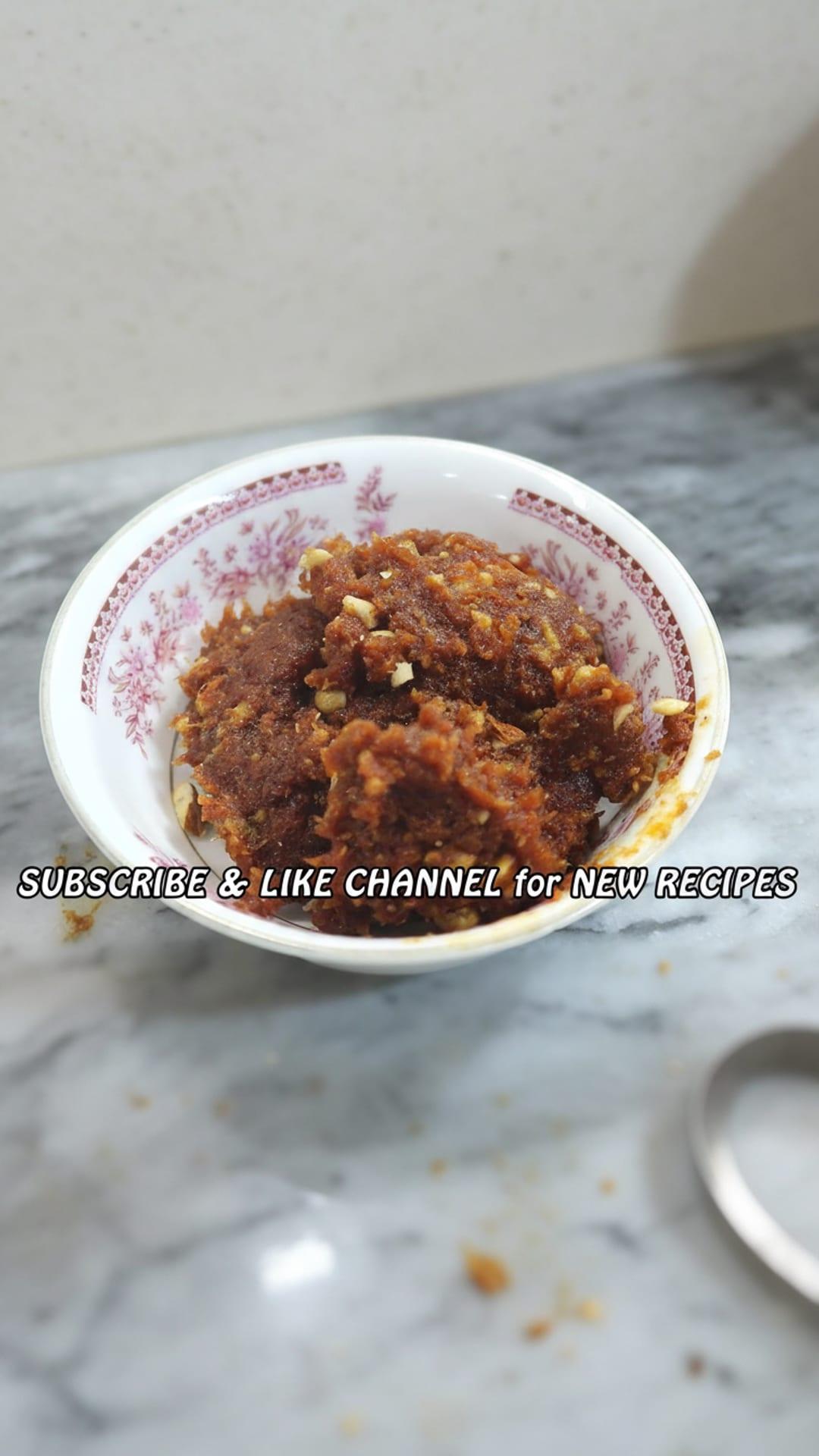
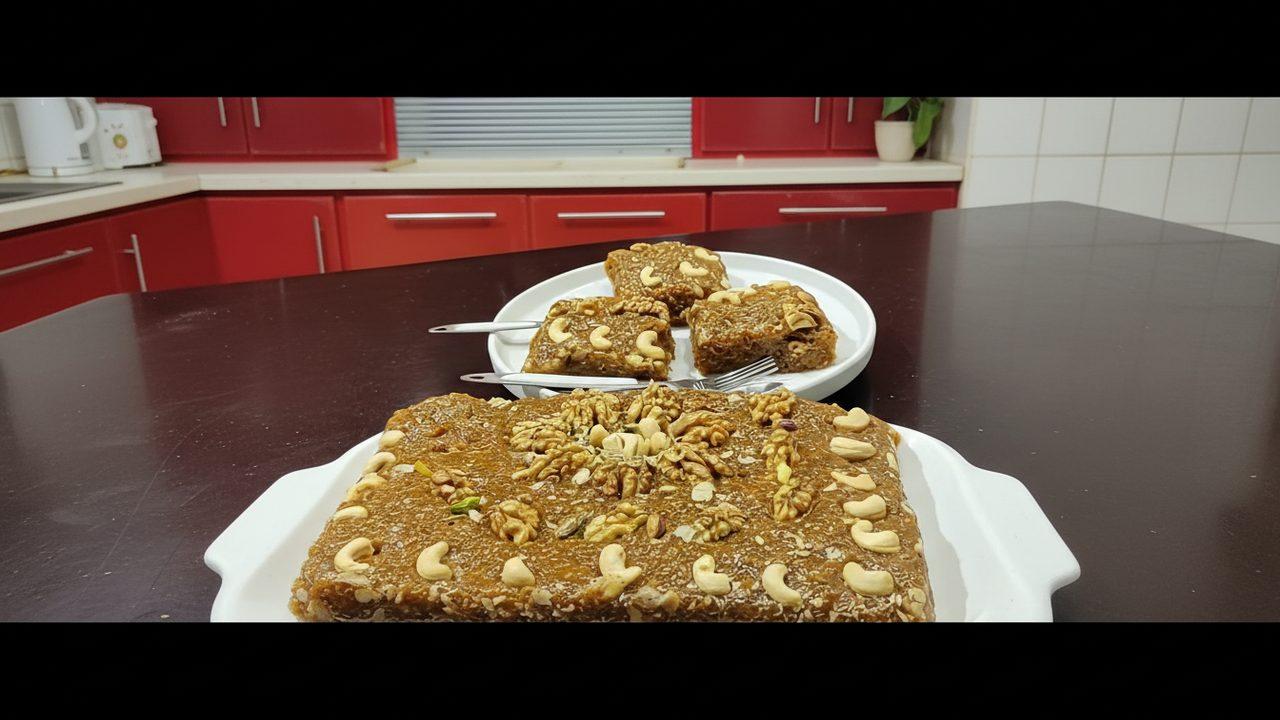
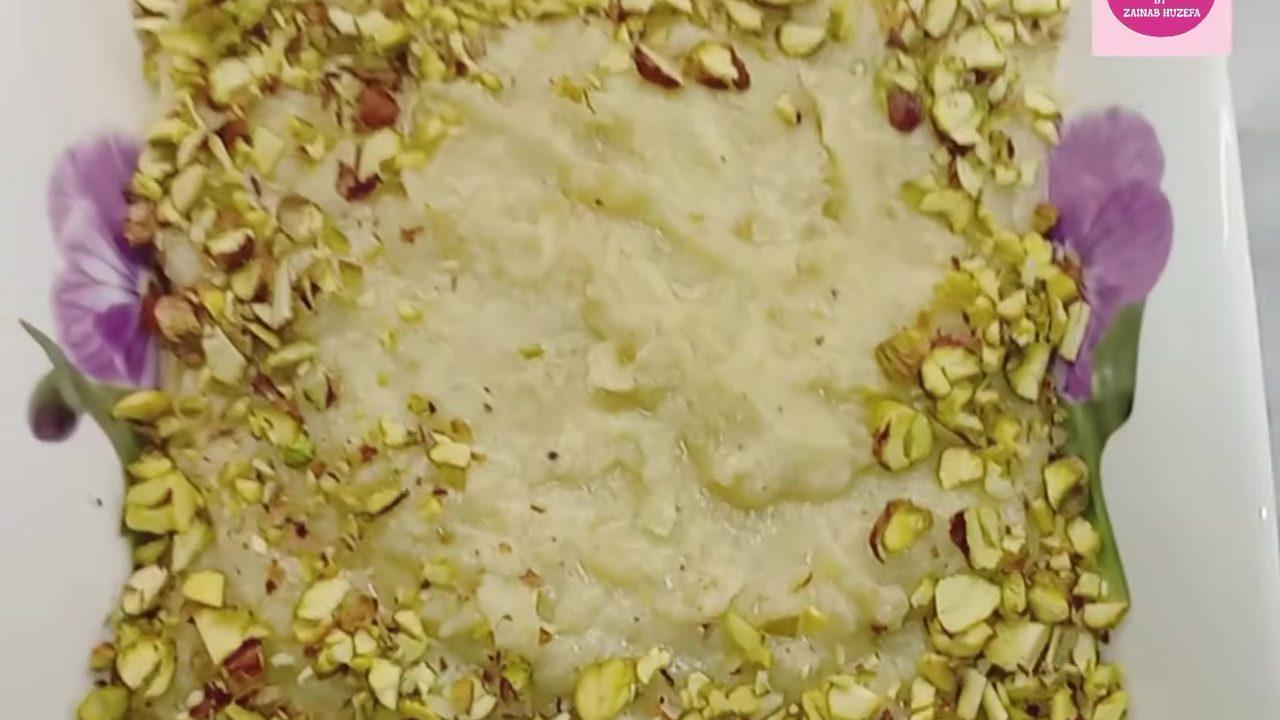
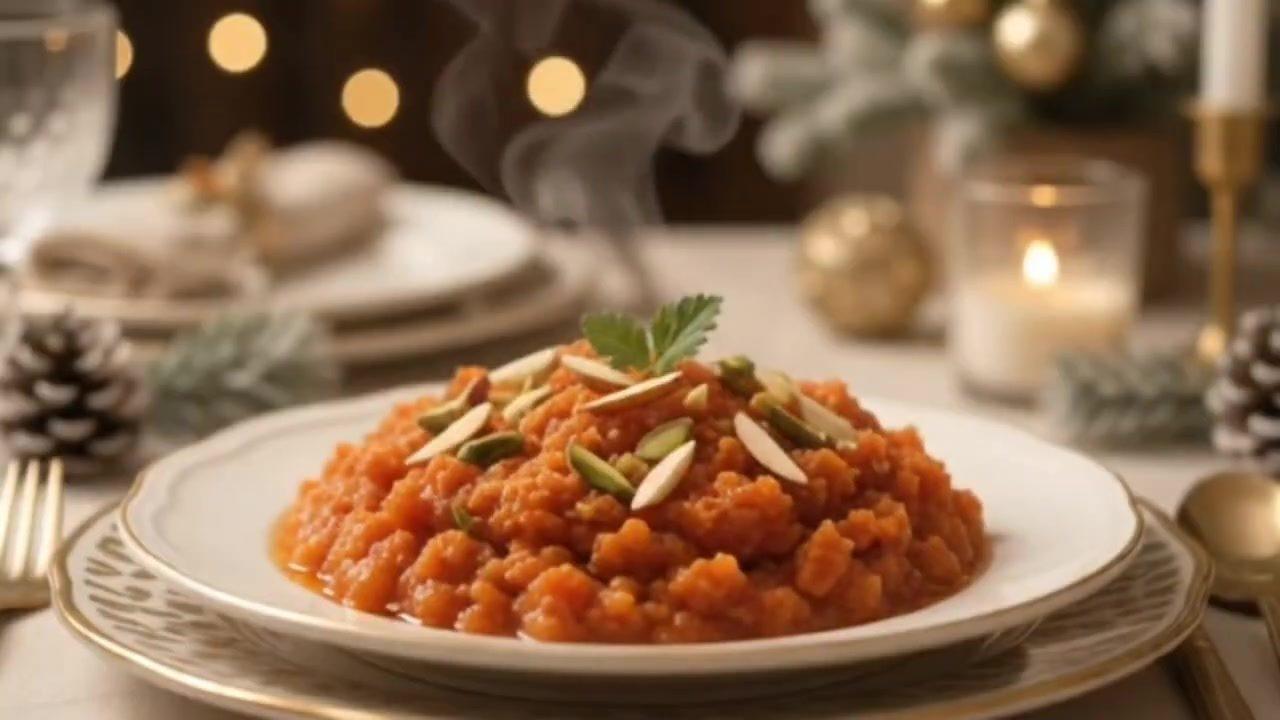
Turn off the flame and transfer the hot halwa to a serving bowl. Garnish generously with chopped dry fruits like almonds and walnuts. Serve hot and enjoy this delicious carrot pulp halwa.

Comments (0)
Sign in to leave a comment on this recipe.
Loading comments...