Beginners Guide to Indian Cuisine with Mike G
For Ginger Garlic Paste
For Garam Masala
For Dal
For Lamb Curry
For Saag
For Cilantro Mint Chutney
For Dosa (Mike's Easy Way)
Step-by-Step Instructions
Follow each step to make the recipe successfully.
Prepare Ginger Garlic Paste
Clean and peel fresh ginger and garlic. Break ginger into smaller pieces and add to a spice grinder. Peel an equal amount of garlic and add on top of the ginger. Process until a rough paste forms. This makes adding aromatic freshness extremely easy and effective.
Prepare Garam Masala
Heat a pan on medium heat. Add fennel seeds, coriander seeds, cumin seeds, a few cloves, black peppercorns, a few full cardamom pods, and one broken cinnamon stick. the spices on low and slow heat until they become fragrant and you see slight browning (especially the cumin). This wakes up the flavors. Once , transfer to a spice grinder and process until a fine powder is achieved. Store in an airtight container.
Soak Legumes for Dal and Dosa
In a container, combine 1 cup of mung dal yellow and 1 cup of red lentils. Add enough water to cover the legumes by a few inches. Let them soak for several hours or overnight until completely hydrated. It's recommended to soak double the amount needed for Dal, as half will be used for Dosa batter later.
Dice Onions and Tomatoes
1 medium onion to a medium . Slice 1-2 medium tomatoes in half, remove the core, and them to a similar size as the onions. These aromatics will be used in multiple dishes.
Start Cooking Dal
Heat 2-3 tablespoons of ghee in a pot on medium heat. Sprinkle in 1 teaspoon of cumin seeds and for about until they show slight coloration and become fragrant. Add the onions and cook them down to soften and slightly for . Add 1-2 tablespoons of ginger garlic paste and cook for another until fragrant. Add the tomatoes and 1 sliced red chili (optional) and cook until they break down and become jammy, forming a flavorful tomato base.
Add Legumes and Spices to Dal
Take about half of the soaked legumes (1 cup) and strain off the water. Add them directly to the pot with the aromatics. Stir to combine. Add 1 tablespoon of garam masala, 1 teaspoon of paprika, 1 teaspoon of turmeric (fresh grated or powder), and salt to taste. Stir well to incorporate all the spices. Add 2-3 cups of water, stir, and cover the pot.
Simmer Dal
Let the Dal cook for on a medium-low heat until the lentils and dal start breaking down and becoming smooth. Stir occasionally to prevent sticking. Taste for seasoning and adjust salt if needed. The Dal should have a creamy, mashed potato-like consistency. You can cook it to your desired texture.
Prepare Lamb for Curry
Take 1.5-2 lbs of lamb shoulder (bone-in). Remove the lamb chops to save for later if desired. Cut around the bone and chop the shoulder meat into small, bite-sized chunks. Season the lamb generously with salt and pepper.
Start Cooking Lamb Curry
Heat 2-3 tablespoons of ghee in a large pot or Dutch oven on medium heat. Add 2-3 fresh bay leaves, a few cardamom pods, a few cloves, 1 teaspoon of cumin seeds, and 1 whole cinnamon stick. these whole spices until fragrant. Add 1 large onion and for a few minutes. Add 1-2 tablespoons of ginger garlic paste and cook for another few minutes.
Brown Lamb and Build Gravy
Add the seasoned lamb chunks to the pot. Cook everything on an even medium heat for , stirring occasionally, until the lamb starts to out some of its fat and begins to brown. This technique allows the aromatics and spices to fry together with the meat, building deep layers of flavor. Add 1-2 fresh tomatoes (or canned tomatoes) and stir. The water from the tomatoes will help the pot and continue building the gravy.
Simmer Lamb Curry
Once the tomatoes have stewed down, add a palm-full (about 1 tablespoon) of garam masala and salt to taste. Add 2-3 cups of water, stir, and cover the pot. Let the curry cook for about on low heat. The liquid will , and the lamb shoulder pieces will break down, becoming incredibly tender and buttery. The ghee and lamb fat will separate slightly, creating a beautiful, rich gravy.
Prepare Greens for Saag
2-3 lbs of fresh spinach (or other greens like kale, Swiss chard, mustard greens) in boiling water for about . Immediately transfer the greens to an ice bath to stop the cooking and preserve their vibrant color. Once cooled, squeeze out excess water and transfer the greens to a blender.
Blend Saag Base
Add the greens to a blender with a small amount of water. Blend until a smooth, vibrant green puree is achieved. This smooth texture is key for a traditional Saag.
Cook Legumes for Saag
In a pressure cooker, combine 1 cup of chickpeas and 1 cup of white beans (or other legumes). Add enough water to cover. Cook for from dry until completely cooked through.
Start Cooking Saag
Heat 2-3 tablespoons of ghee in a pot on medium heat. Add 1 teaspoon of whole coriander seeds and 1 teaspoon of cumin seeds. for about until fragrant. Add 1 medium onion and cook until browned for a few minutes. Add 1-2 tablespoons of ginger garlic paste and cook for another . Add 1-2 tomatoes and cook until jammy, similar to the Dal base. Optionally, add about half a can of whole coconut milk for creaminess and flavor, and cook down for until it by about a third.
Simmer Saag
Add the blended spinach puree to the pot. Stir in 1 tablespoon of garam masala and salt to taste. Stir well. Since the saag is a little thin at this stage, cook it uncovered for about , allowing it to and deepen in color and flavor. The color will transform to a darker forest green. Taste for seasoning and adjust if needed.
Finish Saag
Once the Saag has and deepened in flavor, add the cooked chickpeas and white beans (or other legumes/vegetables). Stir to combine and heat through. This bulks up the Saag and adds texture.
Prepare Cilantro Mint Chutney
To a blender, add 1 bunch of fresh cilantro, 1 bunch of fresh mint, a 1-inch piece of ginger, 1 chili (or to taste), 1/4 cup of peanuts (or cashews), 1 teaspoon of cumin seeds, 1-2 tablespoons of fresh squeezed lime juice, and salt to taste. Add 1/4 cup of ice cubes to help maintain the vibrant green color. Blend until smooth. Taste for seasoning and add 1 teaspoon of sugar if needed to balance the flavors. Store in a jar.
Prepare Dosa Batter
To the remaining soaked legumes (from Dal prep), crack in 2 large eggs. Add 1/4 cup of all-purpose flour and salt to taste. Blend until a smooth batter is formed. This non-traditional Dosa batter is much easier to make at home.
Cook Dosa
Heat a non-stick pan on medium heat and add some ghee. Pour in a ladle of the Dosa batter and swirl it around to coat the entire bottom of the pan, forming a thin pancake. Cook until the bottom is nice and crispy. Flip it over and cook the other side until golden brown. Repeat with remaining batter. Cut into wedges.
Assemble and Serve Indian Feast
Plate a serving of white rice. Add generous portions of Dal, Lamb Curry, and Saag around the rice. Garnish with fresh cilantro. Add a spoonful of pickled item (like sauerkraut) for a tangy contrast. Spoon the Cilantro Mint Chutney over the rice or use it as a dipping sauce for the Dosa. Serve the Dosa pancakes on the side. Enjoy the layered flavors of this magnificent Indian feast.
Before You Cook
Helpful details before you startIngredient SubstitutionsMissing something? View suitable alternatives.View 9 swaps
No Garlic (fresh)?
- 1/4 tsp garlic powder (per clove)
- 1/2 tsp garlic granules (per clove)
No Ghee?
- Unsalted butter (1:1)
- Neutral oil (1:1, lacks the toasted note)
No Onion?
- 1 tbsp onion powder (per medium onion)
- 3 tbsp dried minced onion
- Shallots or leeks (1:1)
No Garam masala?
- 1 tsp cumin + 1/2 tsp coriander + 1/4 tsp cinnamon + 1/4 tsp cardamom
No Cilantro?
- Flat-leaf parsley (1:1, milder)
- Fresh mint (in chutneys, salads)
No Bay leaf?
- 1/4 tsp dried thyme (per leaf)
- Pinch of dried oregano
No Coconut milk?
- Equal parts heavy cream + 1/2 tsp coconut extract
- Whole milk + 1 tsp coconut oil (per cup)
No Egg?
- 1 tbsp ground flax + 3 tbsp water (rest 5 min) — Per egg, best in baking.
- 1/4 cup unsweetened applesauce — Per egg, in sweet baked goods.
- 1/4 cup silken tofu, blended — Per egg.
No All-purpose flour?
- White whole wheat flour (1:1)
- 1 cup minus 2 tbsp + 2 tbsp cornstarch (cake flour swap)
Plan Ahead
Complete this step earlier to save time later.
- View Step 3Soak Legumes for Dal and DosaOvernight
In a container, combine 1 cup of mung dal yellow and 1 cup of red lentils. Add enough water to cover the legumes by a few inches. Let them soak for several hours or overnight until completely hydrated. It's recommended to soak double the amount needed for Dal, as half will be used for Dosa batter later.
Storage & Leftovers
Keep your leftovers fresh and ready to enjoy.
- Store
Freeze leftover Dal and Saag in ice cube trays for easy reheating as a side dish.
- Store
Store in an airtight container.
- Store
Store in a jar.
Variations
Simple ways to adapt this recipe.
- Use different types of lentils
Use different types of lentils or legumes for Dal.
- Substitute lamb shoulder with lambIngredient swap
Substitute lamb shoulder with lamb shank or other tough cuts for the curry.
- Experiment with various greens like kale
Swiss chard, or mustard greens for Saag.
- Add paneer cheese to Saag for Saag PaneerCustomise
- Use cashews instead of peanutsIngredient swap
Use cashews instead of peanuts in the Cilantro Mint Chutney.
Helpful Tips
Small details that can improve the final result.

Beginner's Guide to Indian Cuisine with Mike G
Cuisine
Indian · North Indian
Prep + Cook Time
4 hr
Difficulty Level
Medium
Beginner's Guide to Indian Feast - 5 Dishes
Cuisine
Indian · General
Prep + Cook Time
4 hr
Difficulty Level
Medium
Beginner's Guide to Indian Cuisine - Multiple Dishes
Cuisine
Indian · General Indian
Prep + Cook Time
4 hr
Difficulty Level
Medium
Indian Feast: A Beginner's Guide
Cuisine
Indian
Prep + Cook Time
3 hr 40 min
Difficulty Level
Medium
You might also like
Other recipes in the same cuisine, meal type, or style — ready to cook whenever you are.

Chicken Biryani
Cuisine
Indian · South Indian
Prep + Cook Time
1 hr 40 min
Difficulty Level
Medium

One Pot White Pulao – Hotel Style
Cuisine
Indian · South Indian
Prep + Cook Time
35 Minutes
Difficulty Level
Easy

Chicken Biryani – Authentic Indian Style
Cuisine
Indian · South Indian
Prep + Cook Time
1 hr 25 min
Difficulty Level
Medium

Spicy Chicken Curry with Bagara Rice – Bachelor Style
Cuisine
Indian · Telangana
Prep + Cook Time
1 hr 5 min
Difficulty Level
Medium
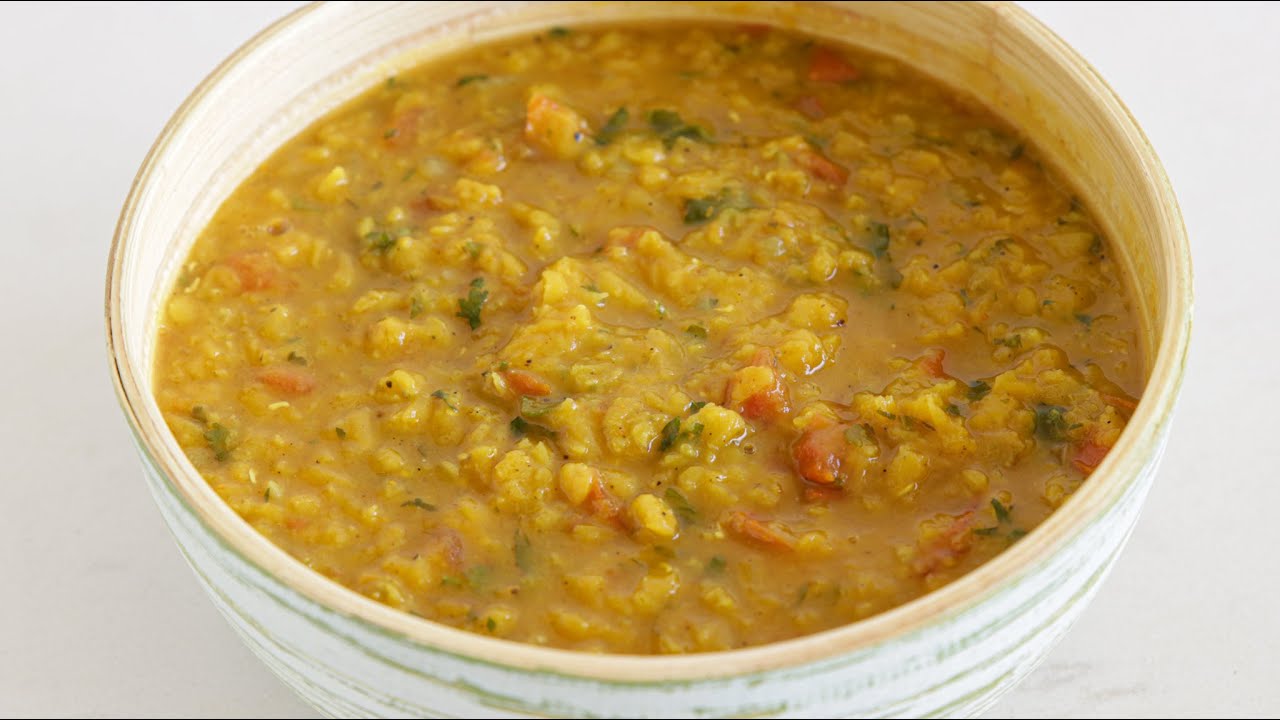
Red Lentil Dal (Masoor Dal)
Cuisine
Indian
Prep + Cook Time
45 Minutes
Difficulty Level
Easy

Dhal – Indian Style
Cuisine
Indian · South Indian
Prep + Cook Time
1 hr
Difficulty Level
Comments (0)
Sign in to leave a comment on this recipe.
Loading comments...