
Market-Style Soft Idli Sambar Recipe
For Idli Batter
For Sambar
Step-by-Step Instructions
Follow each step to make the recipe successfully.
Prepare Idli Batter - Soaking
Take 1 bowl of urad dal and 3 bowls of boiled rice. Wash both the dal and rice thoroughly 6-7 times until the water runs clear. Soak them in separate bowls with enough water to cover them for . Do not discard the soaking water, as it will be used for grinding.
Prepare Idli Batter - Grinding
After , drain the dal and rice, reserving the soaking water. Grind the dal and rice separately into a very smooth paste using the reserved soaking water as needed. Ensure there are no grains left. The consistency should be thick and pourable.
Prepare Idli Batter - Mixing and Fermentation
Combine the ground dal and rice pastes in a large bowl. Add 2 tablespoons of salt and 0.5 tablespoon of baking soda. Mix well. Cover the bowl and let it ferment for in a warm place. The batter should rise and have small bubbles, indicating proper fermentation.
Prepare Sambar - Pressure Cooking Dal and Vegetables
In a pressure cooker, add 1 bowl of soaked toor dal. Add the chopped vegetables: 1 medium onion, 1 small brinjal, 4-5 okra, 2-3 green chilies, 1 small piece of pumpkin, 1 small piece of bottle gourd, and 1 medium tomato. Add 2 tablespoons of sambar masala, salt to taste, and 0.5 tablespoon of turmeric powder. Add enough water to just submerge the vegetables. Close the cooker and cook for 5-6 whistles.
Prepare Sambar - Mashing and Tamarind Water
Once the pressure cooker cools down, open it. Mash the cooked dal and vegetables thoroughly with a until well combined and slightly chunky. In a separate bowl, prepare 0.5 bowl of thin tamarind water.
Prepare Sambar - Tempering
In a separate pan, heat 2-3 tablespoons of oil. Add 0.25 teaspoon of hing, 0.5 teaspoon of mustard seeds, and 4-5 dried red chilies. Fry lightly until fragrant. Add 1 tablespoon of freshly crushed ginger-garlic paste and 1 sprig of curry leaves. Fry for about . Add 1 teaspoon of Kashmiri red chili powder and 0.5 teaspoon of spicy red chili powder. Fry for another .
Prepare Sambar - Combining and Final Boil
Add 1 small piece of jaggery to the and let it melt. Pour in the tamarind water and a little salt. Bring it to a boil. Once boiling, add the mashed dal and vegetable mixture from the pressure cooker. Add hot water as needed to achieve a slightly thin consistency (it will thicken upon cooling). Bring the sambar to a good boil for . Add 0.5 teaspoon of garam masala and mix well. Garnish with fresh coriander leaves.
Steam Idlis
After fermentation, stir the idli batter gently for . Grease the idli molds with oil. Pour the idli batter into each mold, filling it about three-quarters full. Place the molds in an idli steamer and for until the idlis are cooked through and fluffy.
Serve Idli Sambar
Once , remove the idli molds from the steamer and let them cool for a few minutes. Carefully demold the idlis using a spoon or knife. Serve the soft idlis hot with the prepared sambar and coconut chutney (chutney recipe not included in this video).
Before You Cook
Helpful details before you startIngredient SubstitutionsMissing something? View suitable alternatives.View 8 swaps
No Onion?
- 1 tbsp onion powder (per medium onion)
- 3 tbsp dried minced onion
- Shallots or leeks (1:1)
No Tamarind paste?
- 1 tbsp lime juice + 1 tbsp brown sugar (per 1 tbsp paste)
- Pomegranate molasses (1:1)
No Jaggery?
- Dark brown sugar (1:1)
- Muscovado sugar (1:1)
No Asafoetida (hing)?
- 1/4 tsp garlic powder + 1/4 tsp onion powder
No Curry leaves?
- 1 bay leaf + a pinch of lemon zest — Aroma only — flavor is unique.
No Garlic (fresh)?
- 1/4 tsp garlic powder (per clove)
- 1/2 tsp garlic granules (per clove)
No Garam masala?
- 1 tsp cumin + 1/2 tsp coriander + 1/4 tsp cinnamon + 1/4 tsp cardamom
No Cilantro?
- Flat-leaf parsley (1:1, milder)
- Fresh mint (in chutneys, salads)
Plan Ahead
Complete this step earlier to save time later.
- View Step 2Prepare Idli Batter - Grinding6 hours
After 6-7 hours, drain the dal and rice, reserving the soaking water. Grind the dal and rice separately into a very smooth paste using the reserved soaking water as needed. Ensure there are no grains left. The consistency should be thick and pourable.
- View Step 3Prepare Idli Batter - Mixing and Fermentation
Combine the ground dal and rice pastes in a large bowl. Add 2 tablespoons of salt and 0.5 tablespoon of baking soda. Mix well. Cover the bowl and let it ferment for 12-15 hours in a warm place. The batter should rise and have small bubbles, indicating proper fermentation.
- View Step 8Steam Idlis2 minutes
After fermentation, stir the idli batter gently for 2 minutes. Grease the idli molds with oil. Pour the idli batter into each mold, filling it about three-quarters full. Place the molds in an idli steamer and steam for 10 minutes until the idlis are cooked through and fluffy.
Variations
Simple ways to adapt this recipe.
- Add other vegetables like carrotsCustomise
Drumsticks, or potatoes to the sambar for more variety.
- For idliIngredient swap
You can use regular rice instead of boiled rice, but boiled rice is preferred for softer idlis.
Helpful Tips
Small details that can improve the final result.
You might also like
Other recipes in the same cuisine, meal type, or style — ready to cook whenever you are.
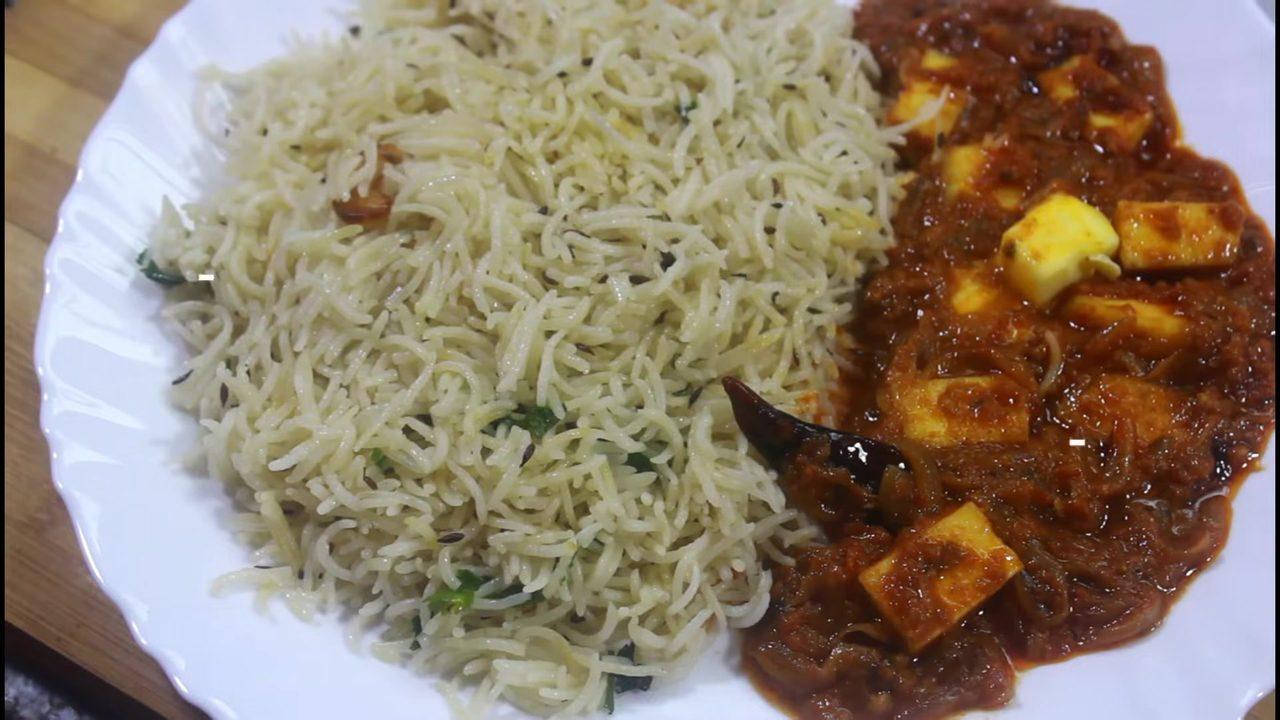
Paneer Butter Masala with Jeera Rice
Cuisine
Indian · North Indian
Prep + Cook Time
55 Minutes
Difficulty Level
Medium
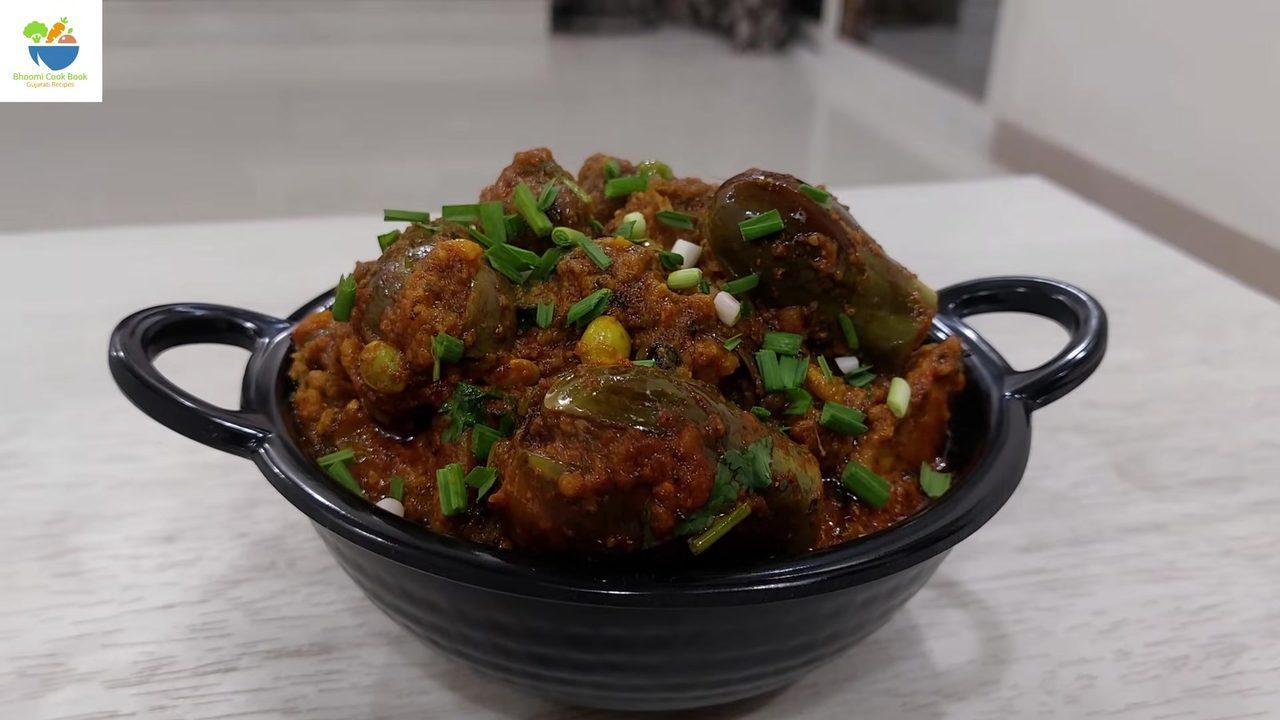
Gujarati Undhiyu - Quick Pressure Cooker Recipe
Cuisine
Indian · Gujarati
Prep + Cook Time
1 hr
Difficulty Level
Medium
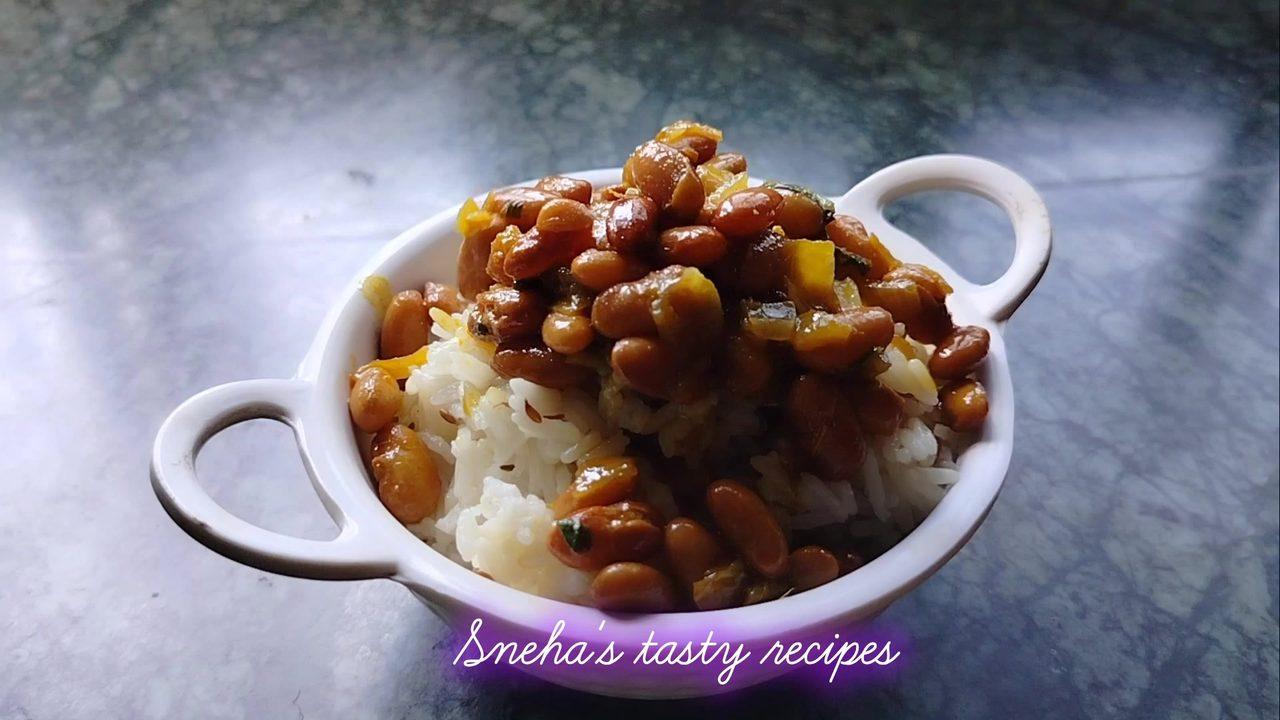
Rajma Chawal (Kidney Beans Curry with Cumin Rice)
Cuisine
Indian · North Indian
Prep + Cook Time
1 hr 15 min
Difficulty Level
Medium
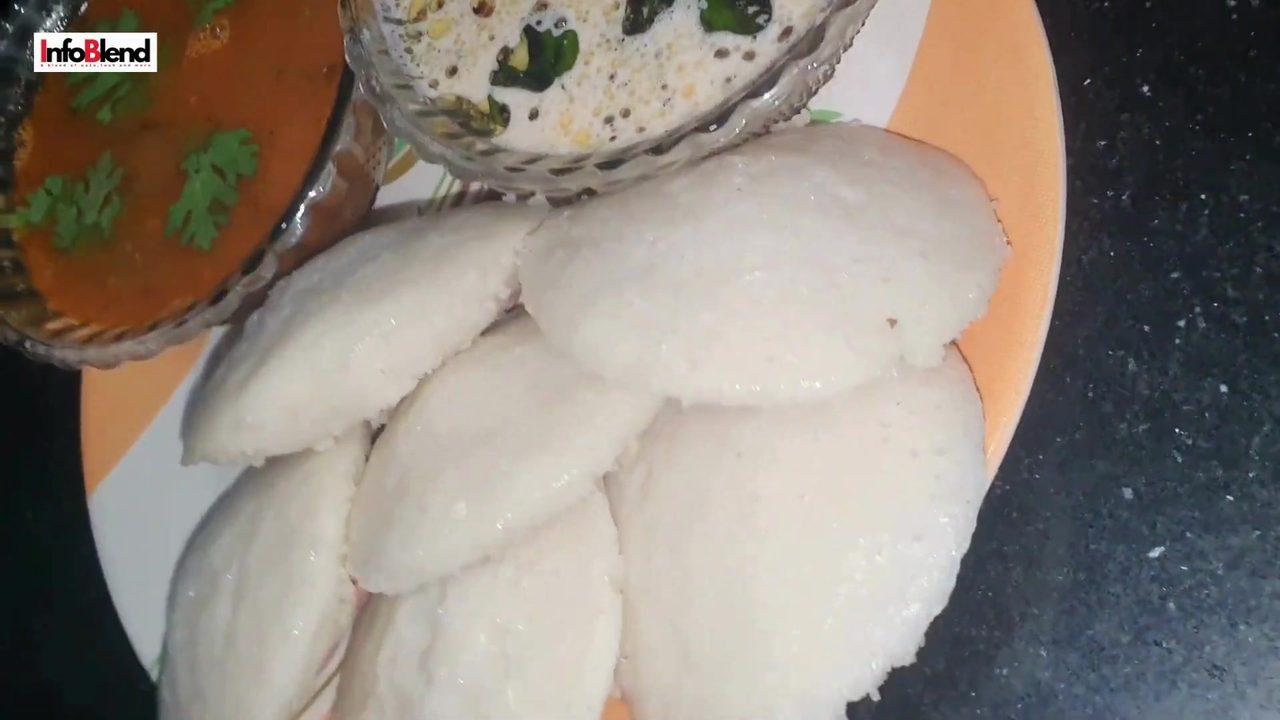
Idli Dosa Batter Recipe - Soft Idli & Crispy Dosa
Cuisine
Indian · South Indian
Prep + Cook Time
20 hr 45 min
Difficulty Level
Medium
Kerala Style Red Pumpkin Kootu
Cuisine
Indian · South Indian
Prep + Cook Time
55 Minutes
Difficulty Level
Medium
Delicious Chickpea Curry (Chole) - Quick & Easy Recipe
Cuisine
Indian · North Indian
Prep + Cook Time
45 Minutes
Difficulty Level
Comments (0)
Sign in to leave a comment on this recipe.
Loading comments...