
लौकी का हलवा (Lauki ka Halwa) – Shab-e-Barat Special
Main Ingredients
Step-by-Step Instructions
Follow each step to make the recipe successfully.
Prepare the Bottle Gourd
Take 1 kg of bottle gourd. Peel the skin thoroughly using a peeler. Wash the peeled bottle gourds well before proceeding.
Remove Seeds and Grate
Cut the peeled bottle gourds lengthwise. Carefully scoop out and discard the seeds and the soft inner pulp using a knife. Grate the bottle gourd using a medium-sized grater. Ensure it's not too fine or too coarse.
Squeeze Excess Water
Take small portions of the grated bottle gourd in your hands and squeeze out as much excess water as possible. This step is crucial to prevent a watery halwa and cooking time. Discard the extracted water.
Sauté Bottle Gourd
Heat a kadhai (wok) on medium flame. Add 1 tablespoon of ghee. Once the ghee is hot, add 2-3 green cardamom pods. Immediately add the squeezed grated bottle gourd to the kadhai. for until the raw smell disappears and any remaining moisture evaporates.
Cook in Milk
Pour in 400g of full-fat milk. Mix well with the bottle gourd. Cover the kadhai and cook on medium flame for , allowing the bottle gourd to soften and absorb the milk. Ensure the milk doesn't boil over.
Add Sugar and Color
Remove the lid. Most of the milk should have evaporated, and the bottle gourd should be tender. Add 100g of sugar (adjust to your taste). Mix thoroughly. The sugar will release more water. Add green food color (optional, to achieve a vibrant green hue) and mix until the color is evenly distributed.
Incorporate Cream and Ghee
Add 1 large spoon of fresh cream (malai) or khoya to the halwa. Mix it in completely. Then, add another 1 tablespoon of ghee and mix well until the ghee is fully incorporated and the halwa starts to leave the sides of the pan.
Add Dry Fruits and Serve
Add half of your preferred mixed dry fruits (almonds, pistachios, raisins, grated coconut) to the halwa and mix. Cook for another until the halwa thickens. Turn off the flame. Serve the hot Lauki ka Halwa in a plate and garnish with the remaining dry fruits and some extra khoya if desired.
Before You Cook
Helpful details before you startIngredient SubstitutionsMissing something? View suitable alternatives.View 2 swaps
No Ghee?
- Unsalted butter (1:1)
- Neutral oil (1:1, lacks the toasted note)
No Milk?
- Unsweetened almond / soy / oat milk (1:1)
- 1/2 cup evaporated milk + 1/2 cup water (per 1 cup)
Variations
Simple ways to adapt this recipe.
- Use khoya instead of freshIngredient swap
Use khoya instead of fresh cream for a richer taste.
- Experiment with different dry fruits
Experiment with different dry fruits like cashews or walnuts.
Helpful Tips
Small details that can improve the final result.
You might also like
Other recipes in the same cuisine, meal type, or style — ready to cook whenever you are.
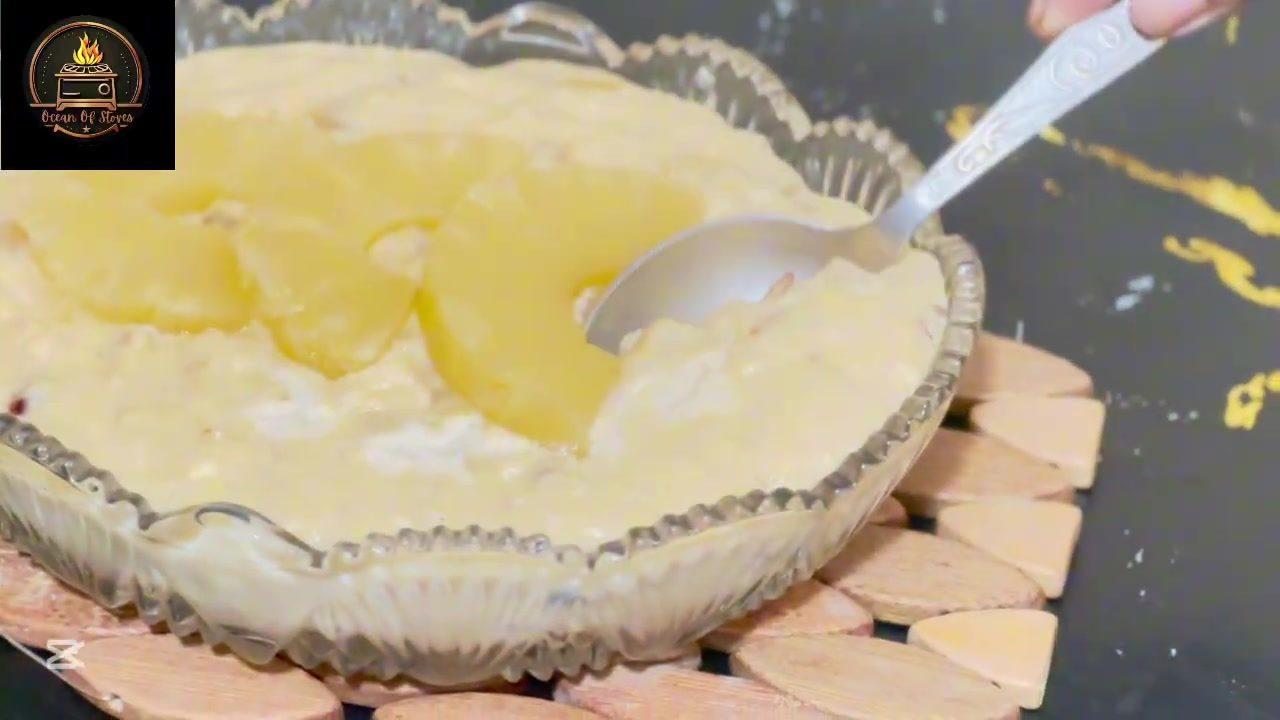
Creamy Pineapple Delight
Cuisine
Indian
Prep + Cook Time
55 Minutes
Difficulty Level
Easy
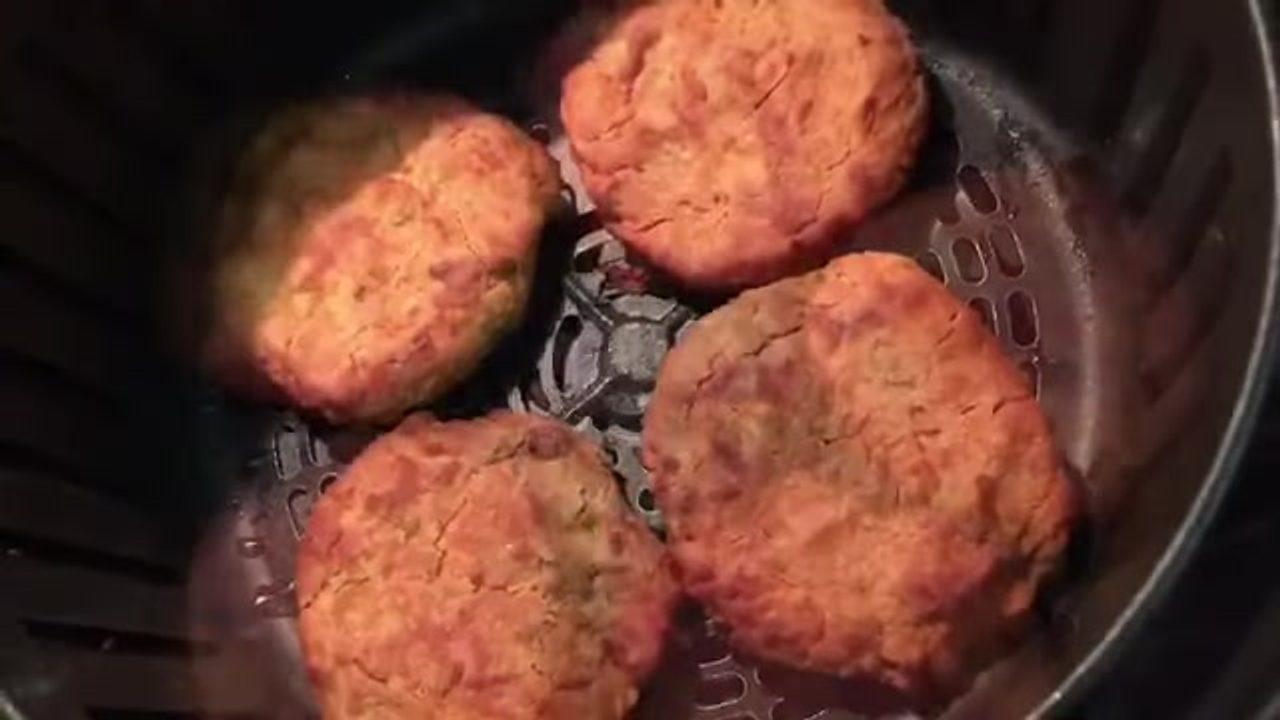
Jaggery Coconut Cookies (Air Fryer)
Cuisine
Indian
Prep + Cook Time
50 Minutes
Difficulty Level
Easy
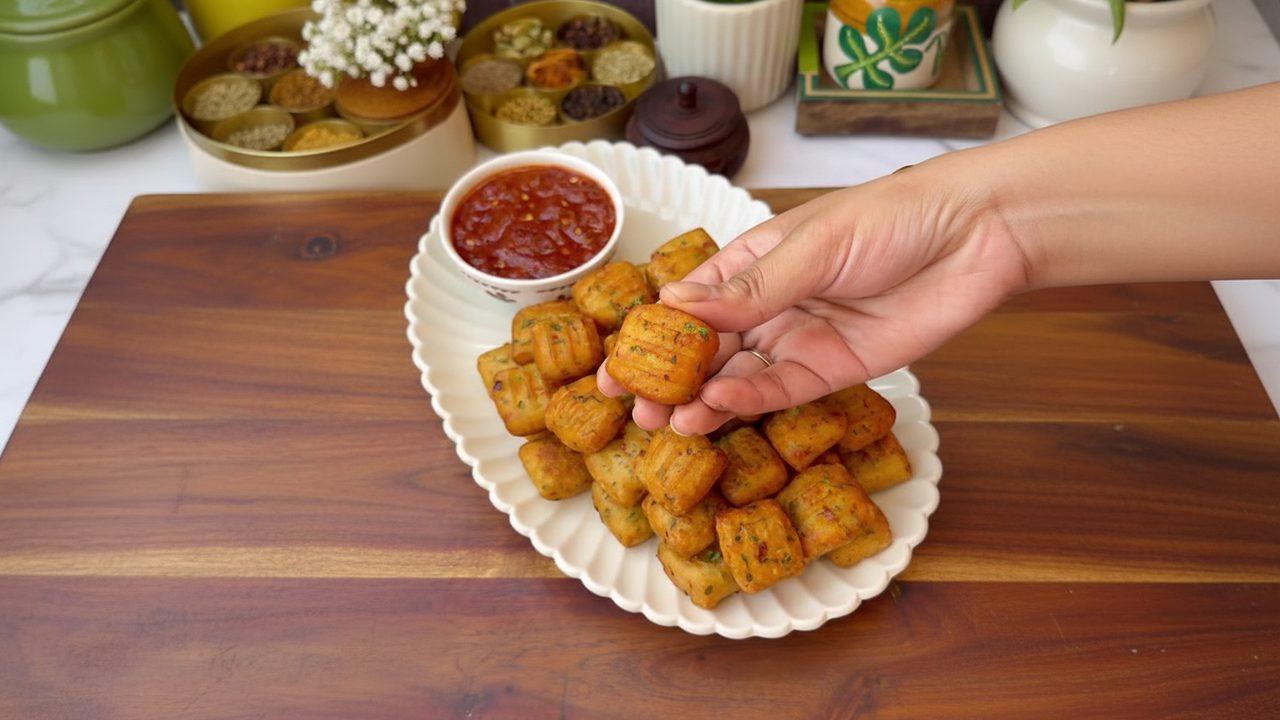
Crispy Potato Bites Recipe
Cuisine
Indian · Snack
Prep + Cook Time
35 Minutes
Difficulty Level
Easy
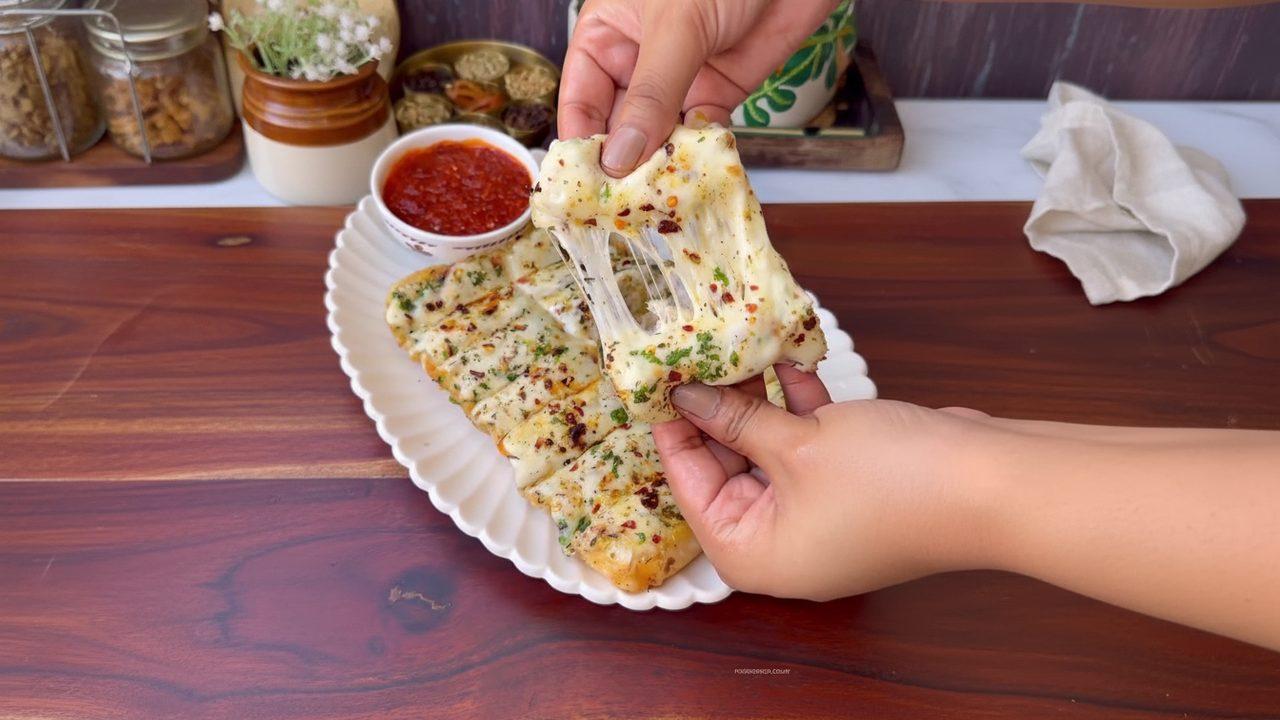
Cheesy Garlic Bread Sticks
Cuisine
Indian · Fusion
Prep + Cook Time
20 Minutes
Difficulty Level
Easy
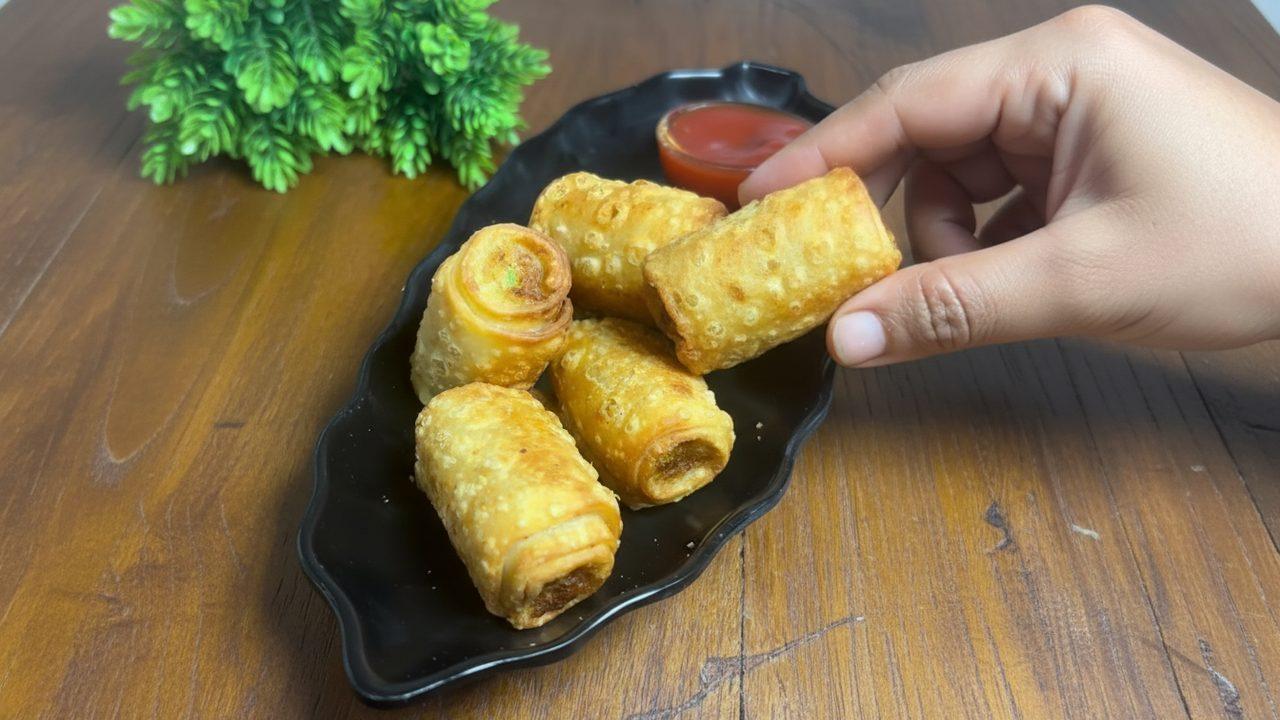
Crispy Potato Matar Roll – Indian Snack
Cuisine
Indian · Street Food
Prep + Cook Time
25 Minutes
Difficulty Level
Easy
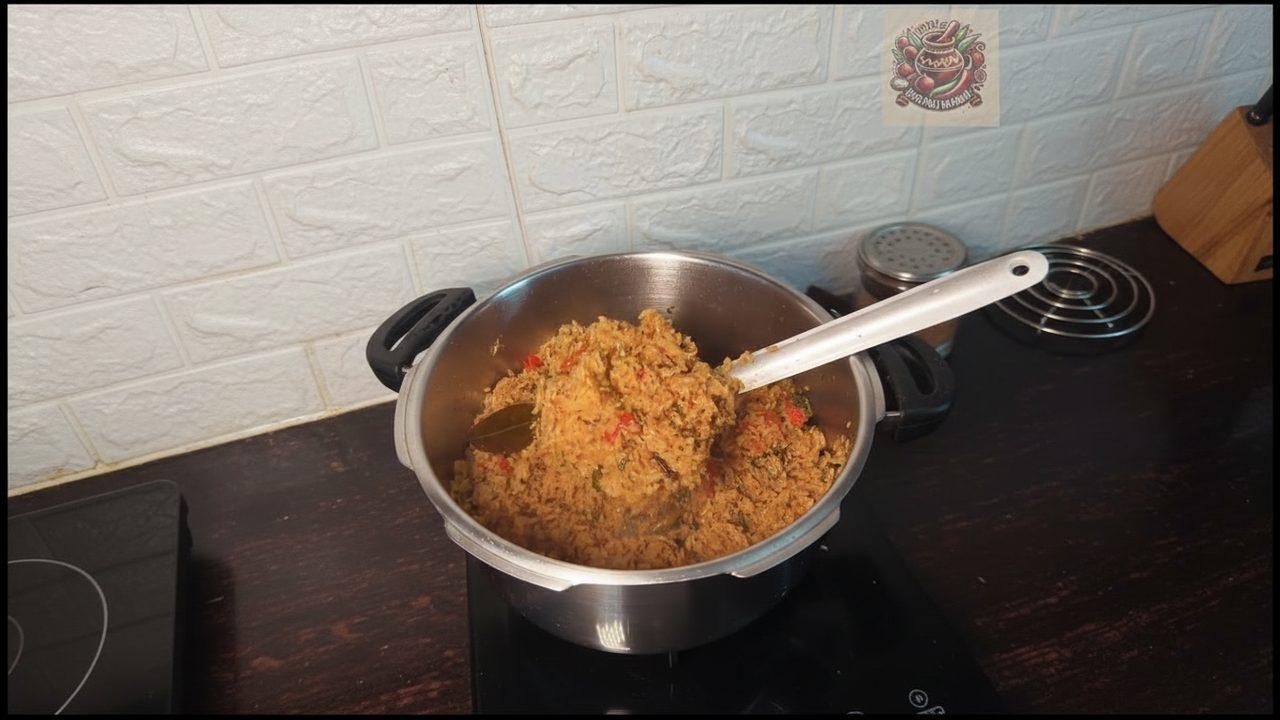
Empty Biryani – Indian Style
Cuisine
Indian · South Indian
Prep + Cook Time
40 Minutes
Difficulty Level
Comments (0)
Sign in to leave a comment on this recipe.
Loading comments...